Cricket’s Governing Body Appeals To Pakistan
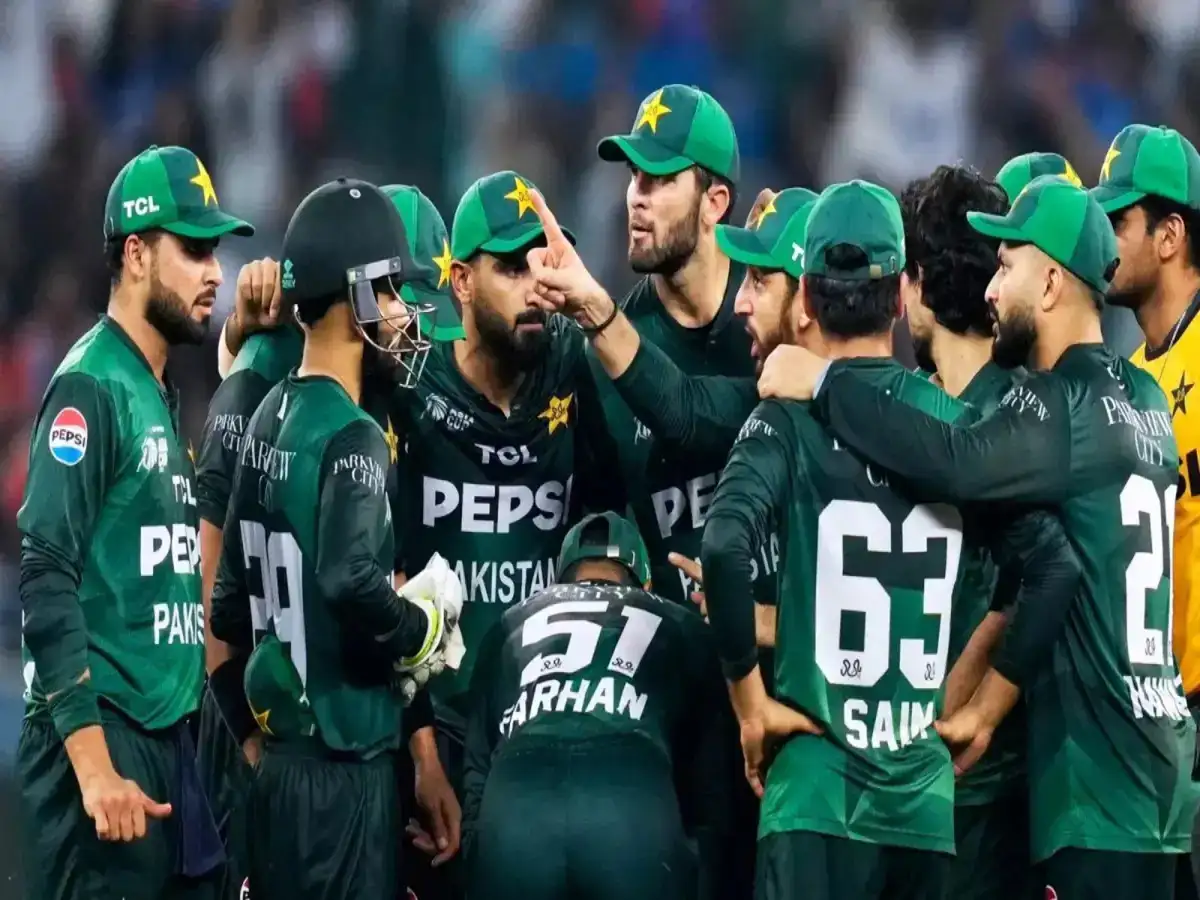
The International Cricket Council (ICC) has made a formal request to the Pakistan Cricket Board (PCB). The ICC is urging Pakistan to reconsider its threat to boycott a major match in the upcoming T20 World Cup. The match in question is the high-profile group stage game against arch-rival India. The governing body expressed deep concern about the potential impact of such a boycott. They worry it could damage the global tournament and affect the basic fairness of the competition for all teams involved. This appeal highlights the serious tension between sports governance and international politics.
The Boycott Threat Stems From A Security And Visa Dispute
Pakistan’s threat to boycott the match is linked to an ongoing off-field dispute. The PCB has raised concerns about the security arrangements for its team during the tournament in India. There are also unresolved questions about visa guarantees for Pakistani journalists and fans who wish to travel. Pakistani officials say they need firm assurances from both the ICC and the Indian authorities. They argue that without these guarantees, their team’s participation cannot be considered safe or proper. The ICC is now caught in the middle, trying to mediate a solution before the tournament begins.
The ICC Warns Of Serious Consequences For The Tournament
The ICC’s concern focuses on the integrity of its flagship global event. A boycott by a major team like Pakistan would be a huge blow to the tournament’s schedule and credibility. It would create an uneven playing field within the group, unfairly advantaging and disadvantaging other teams. The commercial and broadcast partnerships worth millions of dollars would also be severely impacted. The ICC fears that such an action would shift focus away from cricket and toward political conflict, which is against the spirit of the sport. They are pushing for dialogue to resolve the issues promptly.
 The India-Pakistan Match Is The Biggest In World Cricket
The specific match under threat is not just any game. A World Cup clash between India and Pakistan is the most watched and anticipated event in cricket. It attracts a global television audience of hundreds of millions of people. The match generates enormous revenue and excitement for the sport. Its cancellation would disappoint fans worldwide and leave a massive hole in the tournament schedule. The ICC and broadcasters see it as a non-negotiable part of the event calendar. Finding a path for the game to proceed is their top priority.
Historical Tensions Often Impact Cricket Between The Two Nations
Cricket relations between India and Pakistan have always been complicated by broader political tensions. Bilateral series between the two countries are extremely rare. They now only meet in multi-nation tournaments like the World Cup controlled by the ICC. These matches carry the weight of national pride and historical rivalry. Past tournaments have seen disputes over security and venues. The current situation is a familiar pattern, but the explicit boycott threat from Pakistan raises the stakes significantly higher for the ICC as the organizer.
Possible Solutions Involve High-Level Diplomacy And Guarantees
Resolving this crisis will likely require intervention at a high level. The ICC may need to work with both national cricket boards and their respective governments. The goal is to secure written guarantees on security protocols and visa processes for the Pakistani contingent. Neutral venue options have been discussed but are considered unlikely this late in the planning stages. The most probable solution is intensive diplomacy to provide Pakistan with the assurances it needs to feel comfortable traveling and competing in India for the tournament.
The Outcome Will Set A Precedent For The Future Of Global Sports
This situation extends beyond a single cricket match. It tests the ability of international sports bodies to manage events when member nations are in political disagreement. The ICC’s handling of Pakistan’s concerns will be watched closely by other global sports federations. A successful resolution would strengthen the principle that sports can exist separately from politics. A failure leading to a boycott would be a setback for that idea and could encourage similar actions in future tournaments. The world of cricket is waiting to see if diplomacy can keep the game’s greatest rivalry alive on the world stage.