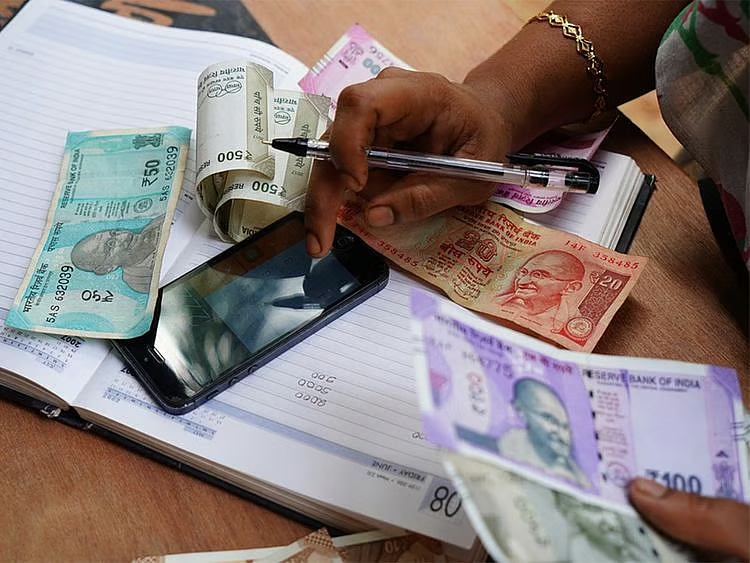
Indian Rupee, Pakistani Rupee, and Philippine Peso
Three major Asian currencies are showing sustained weakness. The Indian rupee, the Pakistani rupee, and the Philippine peso are all trading low. This trend continues against the strong United Arab Emirates dirham. Many exchange houses in the UAE are posting these low rates. This creates a common question for hundreds of thousands of expatriate workers. The key decision is whether to send money home now or wait for a better rate.
Current Exchange Rates in the UAE
A quick check of the market provides a clear snapshot for today. As of January 7, the exchange rates are unfavorable for these currencies. One UAE dirham buys more Indian rupees, Pakistani rupees, or Philippine pesos than before. This means your dirham salary has increased purchasing power back home. However, it also indicates your home currency has lost value internationally. Knowing the exact rate is the first step in any remittance decision.
Analyzing the Prolonged Weakness
This period of weakness is not a sudden event. Several economic factors are contributing to the trend. High inflation and trade deficits are pressuring these currencies. Stronger economic performance in the Gulf region supports the dirham. Global investors are favoring stable, oil-linked currencies during uncertainty. This combination creates a powerful headwind for the rupee, the Pakistani rupee, and the peso. The trend may continue in the near future.
Dilemma for UAE Expatriates
The central question for many workers is a financial dilemma. Should you remit your money home immediately at the current rate? Or should you hold your dirhams and wait for a potential recovery? Remitting now gives you more units of your home currency for each dirham. Waiting could mean an even better rate if the weakness deepens. However, waiting also risks a recovery that would give you less later. Your personal financial needs must guide this choice.

Immediate Benefits of Remitting
Sending money now offers clear and immediate benefits. Your family receives a larger amount in their local currency. This is excellent for covering regular expenses like rent, school fees, and bills. It can also be advantageous for repaying loans or making investments back home. Locking in the current rate provides certainty in your financial planning. You avoid the stress of watching the market fluctuate daily.
Potential Risks
Holding your dirhams involves several financial risks. The primary risk is your home currency strengthening unexpectedly. If the rupee, peso, or Pakistani rupee rebounds, your future remittance buys less. You also lose the opportunity to use that money for urgent needs or investments at home. Currency markets are notoriously difficult to predict with certainty. Waiting is essentially a speculative bet on future market movements.
How Regular Versus Lump-Sum Senders Should Approach the Market?
Your sending strategy changes your best approach. Regular monthly senders should consider a balanced method. You can send a fixed portion of your salary now to cover essential needs. You can hold another portion in case the rate improves. This is called cost averaging and reduces your overall risk. Lump-sum senders, like those saving for a property, face a tougher choice. They must carefully analyze market forecasts and their personal timeline.
Expert Tips for Making Your Remittance Decision
Financial experts offer practical tips for this situation. First, define the purpose of the remittance. Is it for an immediate, fixed expense, or for savings? Second, avoid emotional decisions based on fear or greed. Third, monitor reliable financial news for factors affecting your home currency. Fourth, consider using limit orders with your bank or exchange house. This tool automatically sends money when your desired target rate is hit.
Impact on Family Budgets
The weak exchange rate has a direct impact on households abroad. Families in India, Pakistan, and the Philippines receive more local money. This can temporarily ease their monthly budget constraints. It allows for extra savings or payment of outstanding debts. For long-term planning, it might be a good time to invest in assets like property. Consistent communication with your family about finances is more important than ever.
Monitoring Future Trends
Staying informed is your most powerful tool. Watch for key economic announcements from India, Pakistan, and the Philippines. Central bank decisions on interest rates are critical. Also, follow global oil prices and US dollar trends, as they influence the dirham. Economic reports on inflation and foreign reserves in your home country are vital. This information will help you make a more educated decision for your next remittance.