Exchange Rates in UAE
A snapshot of currency exchange rates shows a clear trend for foreign workers in the UAE. Three major Asian currencies remain at low levels against the UAE Dirham. The Indian Rupee (INR), Pakistani Rupee (PKR), and Philippine Peso (PHP) are all trading weakly as of January 2. This situation presents a key decision point for residents who send money home to their families. The persistent weakness creates a recurring question: is now the best time to send funds, or should one wait for a potential recovery in the coming weeks? Understanding these market movements is crucial for maximizing the value of hard-earned money sent abroad.
Indian Rupee (INR) Continues Its Recent Downward Trend
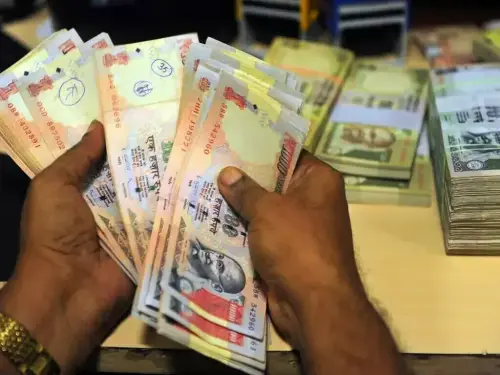
The Indian Rupee continues to face significant pressure in the foreign exchange market. It is trading at a historically weak level against the strong UAE Dirham. This trend has been consistent for several months due to various global and domestic economic factors. For the large Indian community in the UAE, this means that every Dirham exchanged now converts into more Rupees than it did last year. This presents a powerful short-term incentive for remittance, even as economists watch for signals of a future rebound that could alter the calculation.
Pakistani Rupee (PKR) Also Shows Limited Strength
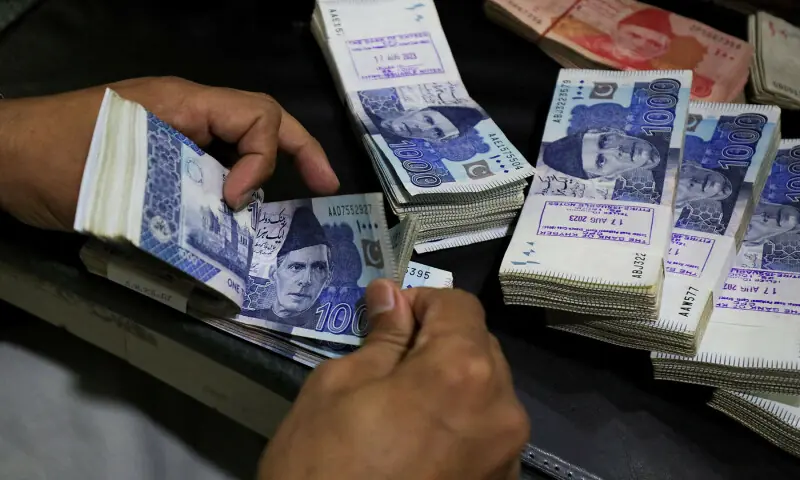
Similarly, the Pakistani Rupee is experiencing a sustained period of weakness versus the Gulf currency. The PKR-to-AED rate remains highly favorable for those sending money from the UAE to Pakistan. This exchange rate environment directly increases the purchasing power of remittances received by families back home. It allows for greater financial support for expenses, education, and investments. The current rate effectively boosts the impact of every payment sent, providing tangible relief and opportunity for recipients in Pakistan.
Philippine Peso (PHP) Follows the Same Weak Market Pattern
The Philippine Peso completes the trio of currencies under discussion. It is also trading at a rate that is advantageous for overseas Filipino workers (OFWs) in the Emirates. A weaker Peso means that remittances from the UAE convert into a larger amount of local currency in the Philippines. This is vital news for millions of families who depend on these funds for their daily living costs and long-term savings. The current market conditions make each transfer notably more valuable for meeting financial goals and obligations.
The Core Question for Expats: Remit Now or Wait?
This consistent currency weakness leads to a common and critical dilemma. Should expatriates transfer their money immediately to lock in the favorable rate? Or is there a potential for these currencies to weaken even further, offering a better rate later? There is no universal answer, as currency markets are unpredictable. The decision depends on individual financial needs, risk tolerance, and views on future economic reports. Some experts advise a strategy of sending partial amounts regularly to average out the rate over time.
How Global Economic Factors Influence These Exchange Rates
Several international forces are contributing to this currency situation. The US Dollar’s own strength, to which the UAE Dirham is pegged, is a primary driver. High oil prices also typically strengthen Gulf currencies. Meanwhile, the home countries of these three currencies may be dealing with different challenges like trade deficits, inflation rates, or foreign reserve levels. These combined factors create the persistent pressure that defines the current remittance landscape, making the Dirham a relatively strong haven in comparison.
Finding the Best Service for Your Currency Exchange
Getting a good exchange rate is only one part of the process. Choosing the right service to send your money is equally important. Residents should compare rates and fees between banks, traditional exchange houses, and modern digital remittance apps. Some services offer better rates for larger transfers, while others have lower fixed fees. Taking time to research can save a significant amount of money, ensuring that more of your salary reaches its final destination with your family.
Stay Informed with Regular Market Updates
Currency markets can change quickly based on new economic data or world events. The rates discussed here are a snapshot as of January 2. For anyone planning a transfer, it is essential to check the latest live rates just before completing the transaction. Following reputable financial news sources provides insight into whether current trends are expected to continue. Making an informed decision with the most recent data is the best way to navigate the remittance process successfully.