IndiGo Flight Delayed by Duty-Hour Limits
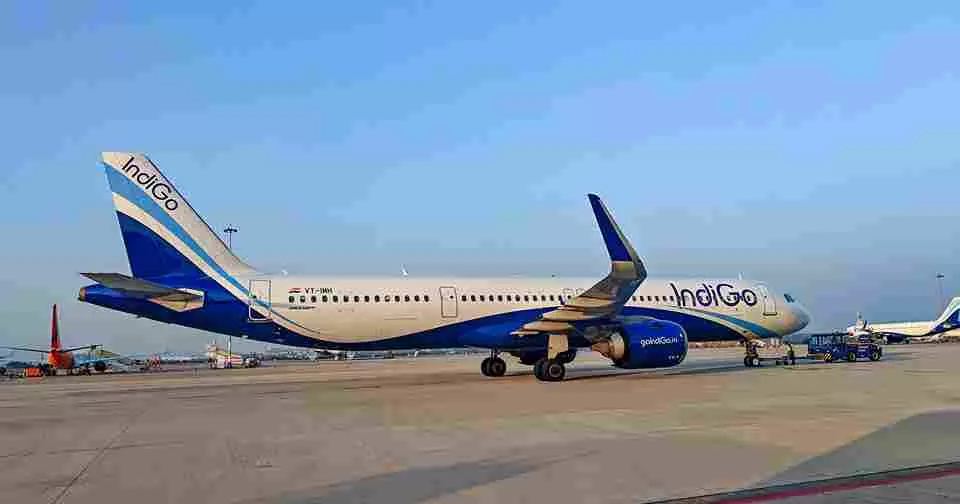
A recent IndiGo flight faced a chain of disruptions that led to a significant delay. The flight was scheduled to travel from Mumbai to the popular Thai destination of Krabi. The initial delay occurred due to strict aviation safety rules. These rules limit the number of hours a flight crew can work continuously. The crew on this flight reached their legal duty-hour limits, making them unable to operate the aircraft safely. This mandatory rest period delayed the departure. During this extended wait on the ground, frustration grew among some passengers. This tension eventually boiled over into an unruly altercation onboard the aircraft, leading to further complications and a dramatic intervention by security personnel.
How Did Duty-Hour Limits Cause the Initial Delay?
Aviation regulations prioritize safety above all else. Pilots and cabin crew have strict limits on their maximum working hours. These rules prevent fatigue, which is a major risk factor in aviation safety. The crew for the IndiGo flight from Mumbai had already completed their allowable duty period. A new, fresh crew had to be arranged before the flight could legally depart. This process of calling in replacement crew members and completing their pre-flight briefings takes time. Airlines must follow these rules without exception. While inconvenient for passengers, these regulations are a critical safeguard that protects everyone on board by ensuring the flight team is fully alert and capable.
What Sparked the Unruly Passenger Incident?
As the delay stretched on, passengers were confined to the aircraft on the tarmac. This created a stressful and cramped environment. Reports indicate that two passengers became particularly agitated. A disagreement escalated into a heated verbal argument and physical altercation with other travelers and possibly crew members. The situation disrupted the cabin environment and posed a security threat. The airline’s staff attempted to calm the individuals, but their efforts were unsuccessful. The captain of the aircraft, who is the final authority on board, made the decision that the involved passengers could not continue the journey. Their behavior violated aviation safety norms and the Civil Aviation Requirements for unruly passengers.

The Process of Deboarding Disruptive Passengers
Once the captain decided to offload the unruly passengers, standard security protocols were activated. The aircraft, which was still at the departure gate or on the apron, was secured. Security personnel from the airline and the airport were called to the gate. These officials boarded the plane to escort the two identified individuals off the aircraft. The passengers’ cabin baggage was also removed. This process is deliberate and can add further delay. It is done to ensure the safety and dignity of all involved. The deboarded passengers were then handed over to local security agencies at Mumbai airport for further action, which can include fines or legal proceedings under Indian aviation laws.
Consequences for Unruly Air Travelers in India
India has a zero-tolerance policy for disruptive behavior on flights. The Directorate General of Civil Aviation (DGCA) has established strict rules. Passengers deemed unruly can be placed on a national “no-fly” list for varying periods. For physical misconduct like assault, the ban can last two years or more. Airlines also have the right to pursue legal action and claim financial compensation for costs incurred due to the delay. The two passengers from the Mumbai flight now face this significant fallout. Their actions not only disrupted their own travel but also affected hundreds of fellow passengers and the airline’s schedule, leading to serious penalties.
Passenger Rights and Airline Responsibilities During Delays
While frustration during delays is understandable, passengers have both rights and responsibilities. Airlines are obligated to provide care during long delays, such as meals, refreshments, and updates. However, passengers must comply with crew instructions and maintain proper decorum. Becoming unruly forfeits any right to compensation and leads to severe personal consequences. In this case, the delay was caused by a vital safety regulation, not airline negligence. The best course of action for passengers is to stay informed through official announcements, seek assistance calmly from ground staff, and understand that safety protocols, while sometimes causing inconvenience, are non-negotiable for everyone’s protection.
A Lesson in Aviation Safety and Passenger Conduct
This incident on the IndiGo flight highlights two critical pillars of modern air travel. The first is the unwavering commitment to safety through rules like crew duty-hour limits. The second is the absolute necessity for passenger discipline and compliance. The system is designed to protect, but it requires cooperation from everyone. Delays, though frustrating, are often a symptom of this safety-first culture. Reactions that compromise security are unacceptable and carry heavy penalties. The event serves as a stark reminder to all travelers to manage their frustrations constructively, respect aviation staff, and understand that the rules of the sky exist to ensure every journey ends safely.