Iran Calls on UN Chief and Security Council
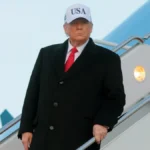
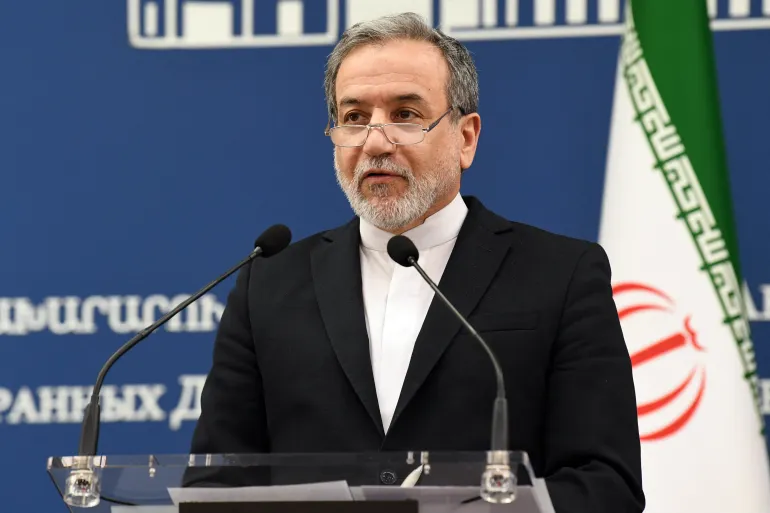
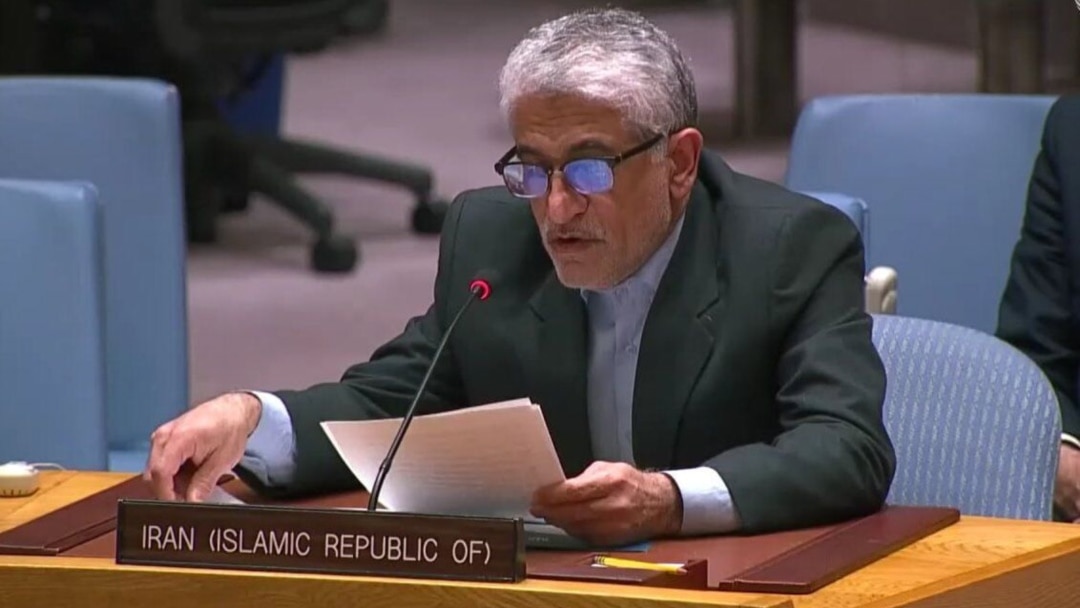
Iran has made a formal diplomatic appeal to the highest levels of the United Nations. The Iranian government has called on the UN Secretary-General and the UN Security Council. They are demanding an official condemnation of the United States. Iran accuses American officials, including former President Donald Trump, of openly inciting violence inside Iran. The Iranian UN Ambassador, Amir Saeid Iravani, personally delivered a strong letter of protest. This action escalates the ongoing war of words between the two long-time rival nations. It places the issue directly on the agenda of the international community.
The Formal Iranian Accusation Against US Officials
The core of Iran’s complaint is a clear allegation of foreign interference. Ambassador Iravani states that specific US political figures have used dangerous language. He claims this language is designed to encourage protests and violence within Iranian society. The letter directly names former President Donald Trump in its accusations. It cites public statements made by Trump and other figures as evidence. Iran argues this represents a deliberate attempt to destabilize their country. They label these actions as clear violations of international law and the UN Charter.
Analyzing the Specific Allegations of Incitement
The Iranian letter points to recent comments made on American media and social media. It claims Trump and others called for popular uprising and regime change in Iran. Iranian authorities view these statements as direct calls for illegal action. They believe such rhetoric fuels domestic unrest and justifies violent acts against the state. The Iranian government often blames foreign “enemies” for internal dissent. This official UN complaint formalizes that narrative on the world stage. They are framing internal opposition as a product of American manipulation.
 Iran’s Diplomatic Strategy at the United Nations
Filing this complaint is a calculated diplomatic move by Iran. It uses the platform of the UN to challenge its primary geopolitical adversary publicly. The goal is to gain international sympathy and portray the US as a destabilizing force. Iran likely hopes to rally support from other nations critical of American foreign policy. This strategy also aims to divert global attention away from Iran’s own domestic issues. By going to the Security Council, Iran is seeking a form of official international legitimacy for its position.
The Likely US Response and International Reaction
The United States is expected to strongly reject Iran’s accusations. American officials will likely dismiss the complaint as a propaganda stunt. They may argue that the US supports the universal right to free speech and the Iranian people’s aspirations. The response from other UN Security Council members will be mixed. Some nations may express concern about foreign interference in general terms. It is highly unlikely the Security Council will issue any condemnation of the US as Iran demands. The move primarily serves as a symbolic act of political confrontation.
The Broader Context of US-Iran Hostilities
This incident is the latest in a decades-long cycle of hostility between the US and Iran. Relations have been especially tense since the US withdrew from the Iran nuclear deal. Both nations regularly exchange harsh rhetoric and accuse each other of malicious acts. Iran frequently blames the US for economic troubles and social protests inside its borders. The US maintains severe economic sanctions on Iran and supports pro-democracy voices. This UN complaint reflects the deep, persistent distrust that defines the bilateral relationship.
The Role of the UN in Mediating International Disputes
The situation tests the role and authority of the United Nations as a peacekeeper. The UN Charter strictly prohibits threats or use of force against any state’s political independence. The core question is whether inflammatory speech from a foreign official constitutes a “threat.” The UN Secretary-General often urges dialogue and restraint in such disputes. The Security Council, however, is frequently paralyzed by major power rivalries. This case highlights the challenges the world body faces in managing conflicts between entrenched adversaries. The outcome will demonstrate the limits of UN power in resolving deeply rooted geopolitical feuds.