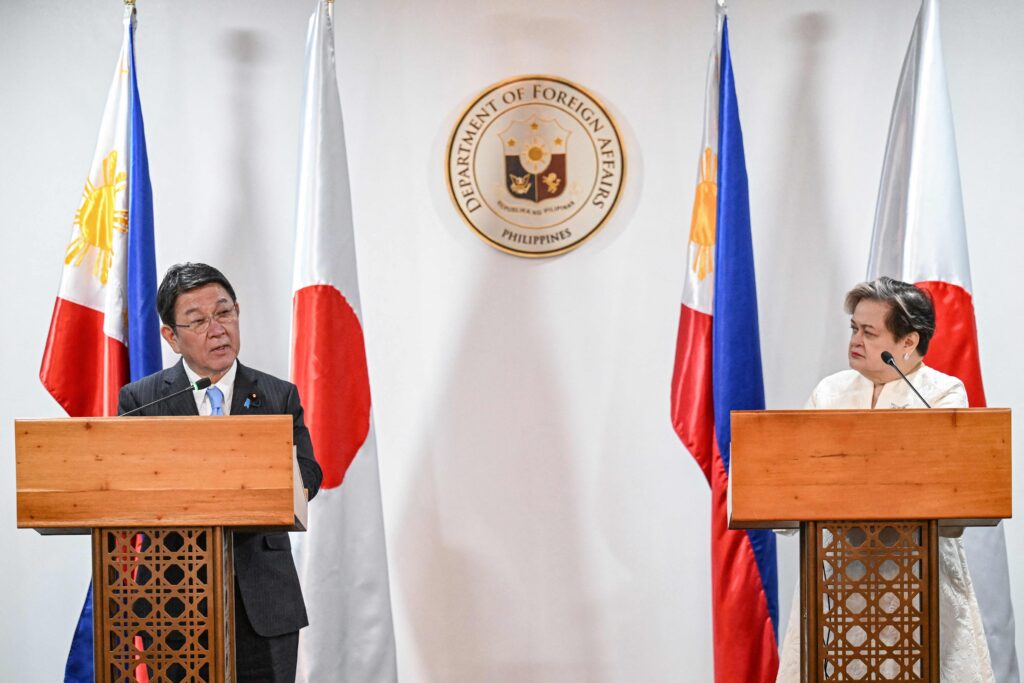
Military Resupply Agreement
Two important Asian nations have reached a new defense agreement. Japan and the Philippines signed a military resupply deal this week. This pact allows their armed forces to share important supplies. The supplies include fuel and ammunition during joint exercises and disaster operations. The agreement is officially called a Reciprocal Access Agreement. It makes cooperation between the two countries much faster and easier. This deal is a major step in strengthening security ties across the region. It shows a growing partnership between Japan and the Philippines in response to shared regional concerns. Both nations see the agreement as vital for peace and stability.
What Does the Military Resupply Deal Allow?
The new agreement creates a clear legal framework. It permits the military forces of Japan and the Philippines to provide each other with logistical support. This support primarily covers essential materials like fuel for ships and aircraft. It also includes ammunition for training exercises. The deal simplifies the process for visiting forces. It reduces paperwork and customs delays for military assets. This means Japanese forces can quickly get supplies in the Philippines, and Filipino forces can do the same in Japan. The system is designed for efficiency during both planned activities and emergency situations.
Why is This Agreement Important for Both Countries?
The agreement holds great strategic importance for Japan and the Philippines. Both countries are close allies of the United States. They both face similar security challenges in the East China Sea and South China Sea. The Philippines has ongoing maritime disputes in the region. Japan is increasing its defense profile and partnerships. By allowing mutual resupply, they make their joint military training more effective. This improves their ability to operate together. It also sends a strong message of unity. The deal enhances deterrence and promotes a stable balance of power in the Indo-Pacific region.
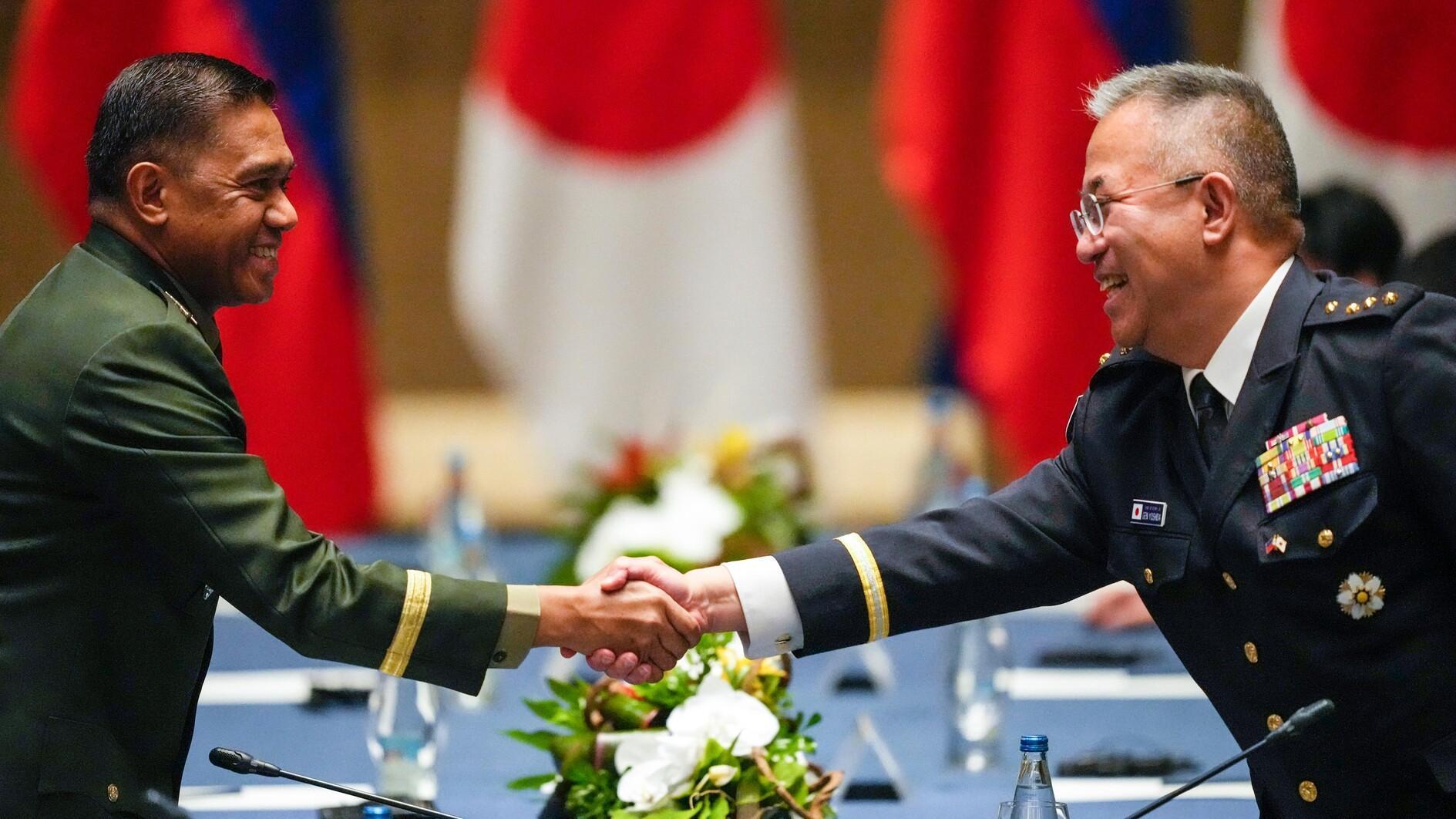 The Context of Regional Security Concerns
This deal did not happen in a vacuum. It comes during a period of increased tension in Asian waters. China has been expanding its military presence and activities. This has caused concern for many neighboring countries. Japan and the Philippines are both maritime nations that rely on open sea lanes. They view freedom of navigation as critical to their security and economy. The resupply agreement is a practical response to a changing security environment. It helps both nations prepare for a wider range of scenarios, from humanitarian crises to potential conflicts.
How Will the Resupply Pact Work in Practice?
The agreement will function during authorized visits and activities. For example, a Japanese naval ship conducting a joint exercise with the Philippine Navy can dock at a Philippine port. Under this new pact, the Philippine side can directly provide fuel and fresh water to the Japanese ship. The same would apply if Philippine air force planes visited a base in Japan. The host nation’s military would facilitate the supplies. This mutual support saves time and money. It builds trust and interoperability between the two defense forces, making them more effective partners.
The Bigger Picture of Japan-Philippines Relations
The resupply deal is the latest in a series of deepening ties. Japan and the Philippines have grown much closer over the past decade. Japan has provided the Philippines with coast guard patrol boats and radar systems. The two countries regularly hold joint naval exercises. They also cooperate on economic development and infrastructure projects. This new military agreement solidifies their relationship as a true strategic partnership. It moves their alliance beyond just diplomacy and into concrete, operational military cooperation. This trend is likely to continue with more shared drills and information sharing.
A Significant Step for Indo-Pacific Security
The Japan-Philippines resupply agreement is a landmark moment. It represents a shift towards more proactive defense partnerships among Asian nations. This agreement encourages other like-minded countries to form similar bonds. It contributes to a network of alliances that supports a free and open Indo-Pacific. For citizens of both nations, it aims to provide greater security and stability. The deal shows that Japan and the Philippines are taking direct responsibility for their shared security environment. They are building their capacity to respond to challenges together, ensuring peace and prosperity for the future.