Introduction
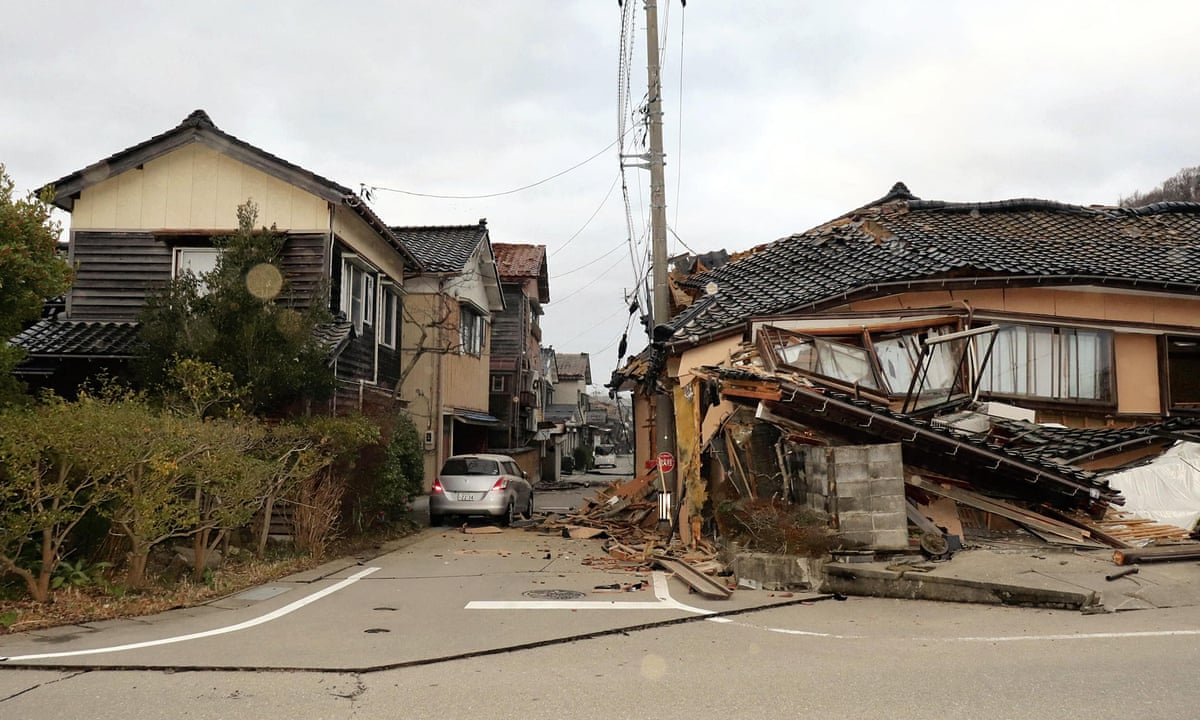
A powerful 7.6 magnitude earthquake hit northern Japan and sent shockwaves across several cities. The strong tremors shook homes, offices, and public areas. People rushed outdoors as buildings swayed for several seconds. The quake injured at least 10 people. Emergency teams reached affected areas quickly. Authorities confirmed that the region remains on alert as aftershocks are expected.
Tsunami Waves Reach Up to 70cm
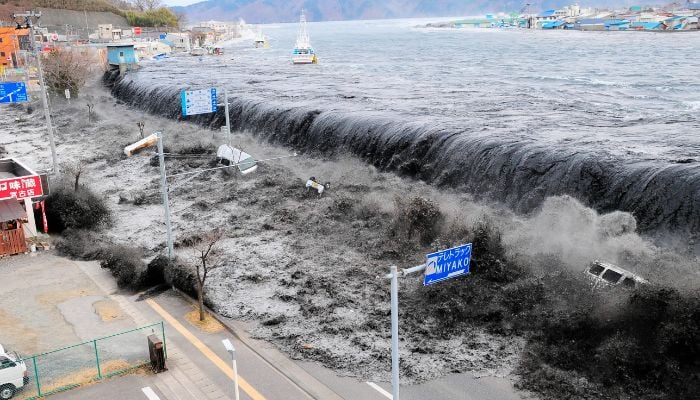
The earthquake triggered tsunami waves reaching up to 70cm. Coastal communities received immediate warnings. Residents moved to higher ground as a safety measure. Boats and small structures near the shore felt the impact of the rising waves. Officials monitored sea levels closely to prevent further risk. The tsunami threat eased later, but the alert stayed active for several hours.
More Tremors
Experts warned that more tremors may follow in the coming hours. Japan sits on active seismic zones, so aftershocks are common after major quakes. The government urged people to stay alert. Residents received instructions to check emergency kits, secure items at home, and avoid damaged areas. Safety teams inspected roads, rail lines, and bridges for signs of structural stress.
 Emergency Teams Respond Quickly
Japan’s disaster response units moved fast after the quake. Medical teams treated the injured. Rescue teams checked buildings and public facilities. Rail services paused briefly for safety inspections. Airports carried out runway checks before reopening operations. Authorities confirmed that power supply and communication networks remained mostly stable. Local officials said the response plan worked smoothly due to regular drills.
Communities Stay Prepared
People in northern Japan showed calmness despite the strong quake. Residents followed instructions from authorities and moved to safe zones quickly. Schools carried out evacuation drills. Community shelters opened for those living near the coast. Volunteers helped elderly residents and families with children. The government praised the public for acting responsibly during the emergency.
Japan’s Seismic History
Japan experiences frequent earthquakes because of its location along major tectonic plates. The latest quake reminded the nation of its ongoing seismic challenges. Experts said the event highlights the importance of strong building codes and regular safety training. The government continues to invest in technology to detect early tremors and reduce risks.
Conclusion
The 7.6 magnitude earthquake in Japan caused injuries and triggered tsunami waves up to 70cm. Authorities responded quickly and urged the public to stay alert for aftershocks. The incident showed Japan’s strong disaster preparedness and community cooperation. The nation now closely watches the situation as seismic activity continues in the region.