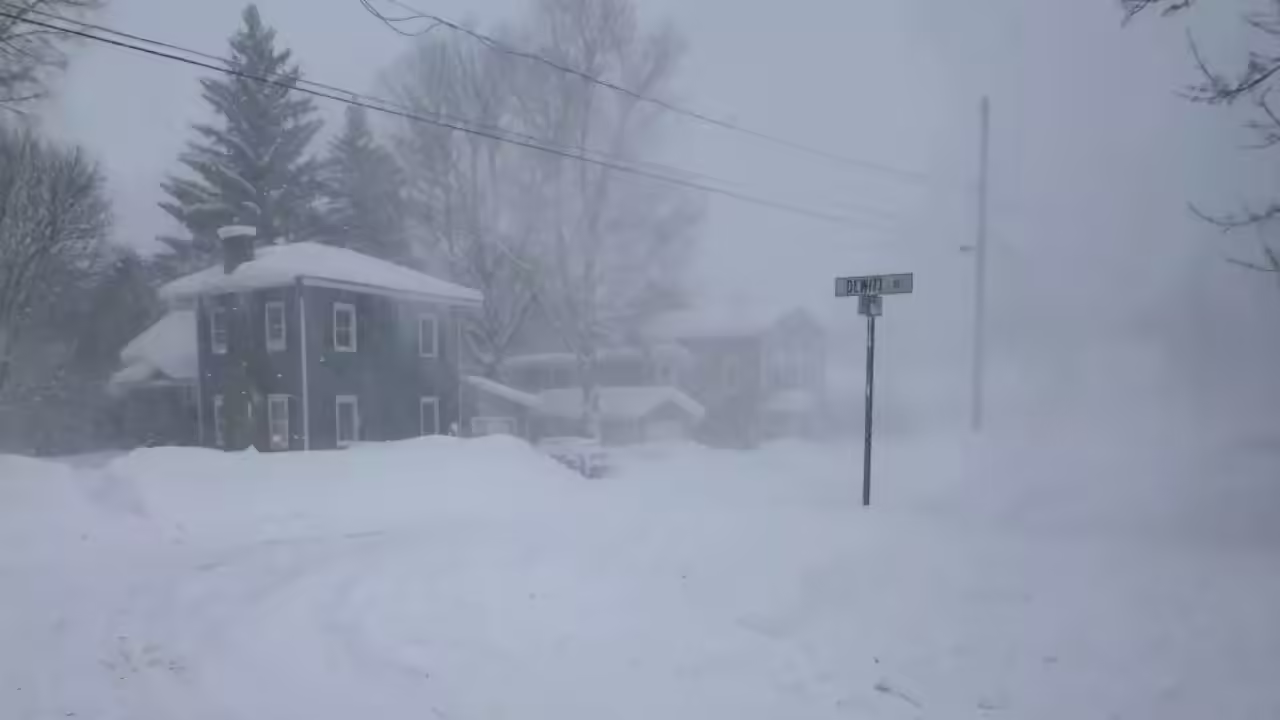
1. Major US Winter Storm
A powerful winter storm is moving across the United States. The National Weather Service has issued urgent warnings for multiple states. Heavy snowfall and dangerous ice accumulation are expected. This severe weather has already grounded thousands of flights. Major airlines have preemptively canceled services at key airports. Travelers are urged to check their flight status immediately. Airports in the Northeast and Midwest are experiencing the worst disruptions.
2. Supermarkets See Shelves Emptied as Residents Rush to Stockpile Essentials
Americans are preparing for a multi-day weather event. Grocery stores and supermarkets are reporting intense shopping activity. Essential items like bread, milk, bottled water, and batteries are selling out quickly. This rush to stockpile reflects public concern about being snowed in. Long lines and crowded aisles are common scenes in affected areas. Store managers are working to restock shelves as quickly as supply chains allow.
3. Utility Companies Warn Residents of Likely Power Outages from Snow and Ice
Electric utility companies are preparing for significant damage. Heavy, wet snow and ice can bring down power lines and tree branches. Widespread power outages are considered highly likely in the storm’s path. Crews are being positioned in advance to respond to emergency repairs. Residents are advised to charge all electronic devices and have flashlights ready. Using generators outdoors only is critical to avoid carbon monoxide poisoning indoors.
4. Arctic Blast to Bring Dangerously Low Temperatures and Wind Chill Factors
The storm system is accompanied by a blast of Arctic air. Temperatures are forecast to plunge well below freezing. Strong winds will create life-threatening wind chill conditions. Exposure to such cold can lead to frostbite within minutes. Authorities are warning the public to limit time outdoors. Vulnerable populations, including the homeless and elderly, are at extreme risk.
5. State and Local Governments Declare States of Emergency Ahead of Storm
Several state governors have declared preemptive states of emergency. This declaration unlocks federal resources and allows for National Guard deployment. It enables faster coordination for snow removal and emergency response. Local officials are urging residents to stay off the roads. This allows plow trucks and first responders to operate safely and effectively.
 6. School Districts and Businesses Announce Closures for Safety
Safety is the paramount concern for communities. Hundreds of school districts have already announced closures. Universities and colleges are moving classes online. Many businesses are telling non-essential employees to work from home. This reduces the number of people needing to travel in hazardous conditions. The goal is to keep as many people as possible safe indoors until the storm passes.
7. Road Travel Becomes Extremely Hazardous with Whiteout Conditions
Driving during this storm will be exceptionally dangerous. Falling snow will create whiteout conditions with near-zero visibility. Ice will make roads and bridges treacherously slick. State police advise that travel should be avoided unless absolutely necessary. Those who must drive should have a full winter emergency kit in their vehicle. This includes blankets, food, water, a shovel, and sand for traction.
8. How to Prepare Your Home for Heavy Snowfall and Potential Isolation
Home preparation is crucial for weathering the storm safely. Residents should clear gutters and secure outdoor furniture. It is important to know how to shut off water valves in case pipes freeze. Having a supply of non-perishable food, water, and medicine for several days is essential. Ensuring adequate heating fuel or a safe backup heat source is a critical step. Checking on neighbors, especially those living alone, is also recommended.
9. The Science Behind the Storm: A Clash of Weather Systems
This significant event is the result of a specific meteorological clash. A moisture-rich system from the Gulf of Mexico is colliding with an Arctic air mass. This clash is creating the perfect conditions for heavy, widespread precipitation. The precipitation is falling as snow and ice due to the deeply cold air. Such storms are often called “Nor’easters” when they affect the Northeast coast. Their impacts are typically measured in feet of snow, not inches.
10. Recovery Will Be a Multi-Day Effort After the Storm Finally Passes
The storm’s impact will last long after the snow stops falling. Digging out from deep snow will take considerable time and effort. Power restoration for all customers could take several days in hard-hit areas. Flight schedules will require days to return to normal due to displaced aircraft and crews. Communities will need to work together in the recovery phase. This event is a stark reminder of nature’s power and the importance of preparedness.