Cervical Screening Should Start at Age 21
Doctors and global health organizations agree on an important guideline. Women should begin regular cervical screening at the age of 21. This is a proven and effective method for preventing cervical cancer. Women who follow this schedule significantly reduce their risk of developing this serious disease. The screening process finds early cell changes in the cervix. These changes happen long before cancer develops. Finding them early allows for simple treatment and stops cancer from forming. Starting at 21 creates a lifelong habit of preventative health care. It is one of the most powerful tools in women’s medicine today.
Understanding Cervical Cancer and Its Preventable Nature
Cervical cancer is a major health threat for women worldwide. It develops in the cells of the cervix, which is the lower part of the uterus. Nearly all cases link to a common virus called Human Papillomavirus (HPV). The crucial fact is that this cancer is highly preventable. The progression from HPV infection to abnormal cells to cancer takes many years. This long timeline gives us a perfect opportunity to intervene. Regular screening detects those abnormal cells in the precancerous stage. This makes cervical cancer screening one of the greatest success stories in modern preventive healthcare.
The Scientific Reason for the Age 21 Benchmark
Health authorities set the starting age at 21 for strong scientific reasons. HPV infections are very common in young women under 21. The vast majority of these infections clear up on their own without any treatment. The body’s immune system fights them off naturally. If we screened very young women, we would find many of these temporary HPV infections. This would lead to unnecessary anxiety, further testing, and potential overtreatment for issues that would resolve themselves. By age 21, persistent infections that could cause problems are more identifiable, making screening more accurate and effective.
How Regular Screening Drastically Reduces Cancer Risk
The statistics supporting regular screening are clear and powerful. Women who get regular Pap tests (or HPV tests) cut their risk of cervical cancer by over 80%. The screening does not prevent the initial HPV infection. Instead, it finds the cell changes the virus causes. A doctor can then monitor or remove these precancerous cells. This process stops cancer before it even starts. Consistency is key. A single test is not enough. Following the recommended schedule—every 3 to 5 years depending on the test type and age—provides continuous protection throughout a woman’s life.

What to Expect During Your First Screening Appointment
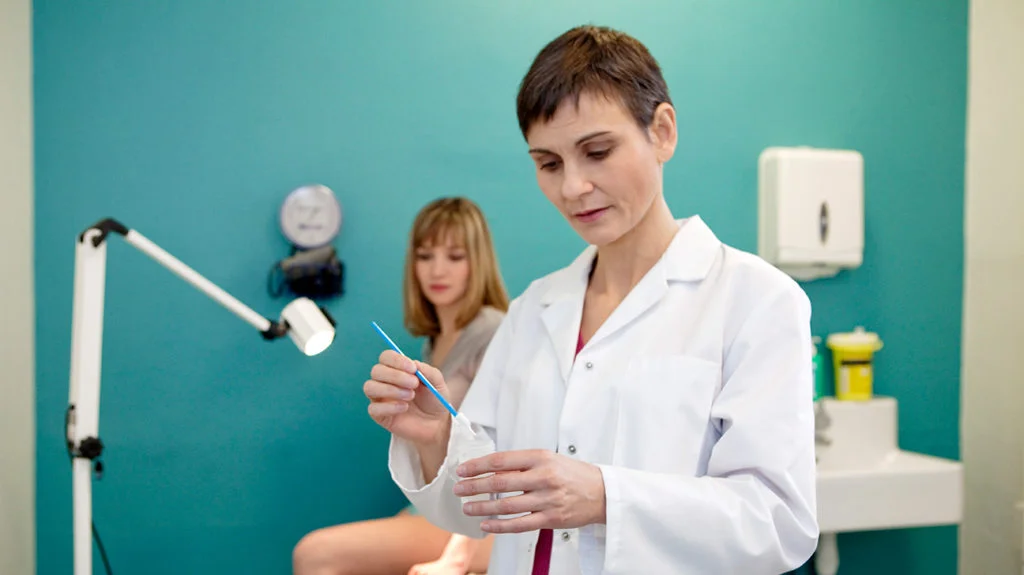
A first screening can cause anxiety, but knowing what happens helps. The test is called a Pap smear or Pap test. A doctor or nurse uses a small, soft brush to gently collect cells from the surface of your cervix. The process is quick, usually taking less than a minute. Some women feel slight pressure or discomfort, but it is not typically painful. The cells go to a lab where a specialist examines them under a microscope. They look for any abnormal changes. Your doctor will contact you with the results, which are most often normal, within a few weeks.
Addressing Common Fears and Barriers to Screening
Many women delay screening due to fear or embarrassment. They may worry about pain, the exam itself, or a bad result. It is important to talk openly with your healthcare provider about these concerns. They can explain the process and put you at ease. Remember, screening is a routine part of healthcare, just like a dental check-up. The brief moment of discomfort is far better than the alternative—facing a late-stage cancer diagnosis. Finding a doctor you trust makes this important step much easier and empowers you to take control of your health.
The Lifelong Screening Schedule After Age 21
Starting at 21 is just the beginning. A typical schedule based on current guidelines is as follows: women aged 21 to 29 should get a Pap test every 3 years. Women aged 30 to 65 have options. They can get a Pap test every 3 years, an HPV test every 5 years, or a co-test (both together) every 5 years. After age 65, women with a history of normal results can often stop screening. It is vital to continue regular screening even after receiving the HPV vaccine, as the vaccine does not protect against all cancer-causing virus types.
Taking the First Step for Your Long-Term Health
The most important action is to schedule that first appointment. Talk to your parent, guardian, or a healthcare professional if you are near 21. Make cervical screening a non-negotiable part of your health plan. Encourage the women in your life—friends, sisters, mothers—to stay up to date with their screenings. This simple, regular act is a profound form of self-care. It protects your future, your fertility, and your life. By starting at 21 and sticking to the schedule, you are choosing prevention over fear and taking a powerful stand for your own well-being.
Beginning cervical screening at age 21 is a foundational pillar of women’s health. It is a scientifically backed strategy that saves lives. The procedure is simple, quick, and provides years of powerful protection. Do not let fear or misinformation create a barrier. Embrace this proactive step. Your future self will thank you for the peace of mind and the reduced health risk. Make the commitment today to prioritize this essential screening, because your health is worth it.