Introduction
A moderate earthquake has shaken Tajikistan. Strong tremors from this quake traveled across borders. People in parts of Pakistan felt the ground shake. The event caused concern but initial reports show no major damage. This article provides all the latest confirmed details.
Earthquake Details and Epicenter Location
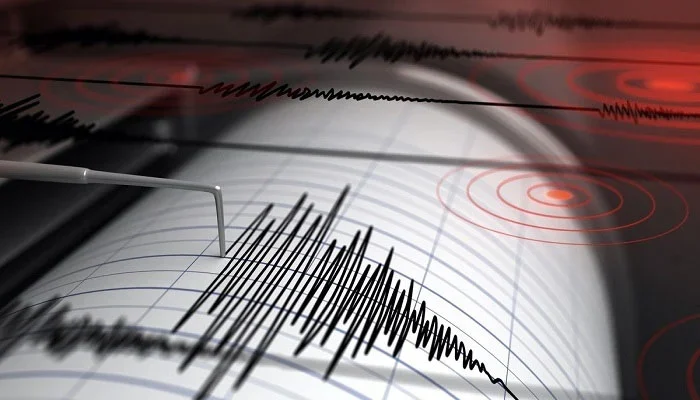
The earthquake’s epicenter was in Tajikistan. Seismographs recorded the event clearly. The quake occurred at a moderate depth. This depth can influence how far tremors travel. The shaking was significant at the epicentral region. The seismic energy then traveled through the earth’s crust.
Tremors Reported Across Multiple Pakistani Regions
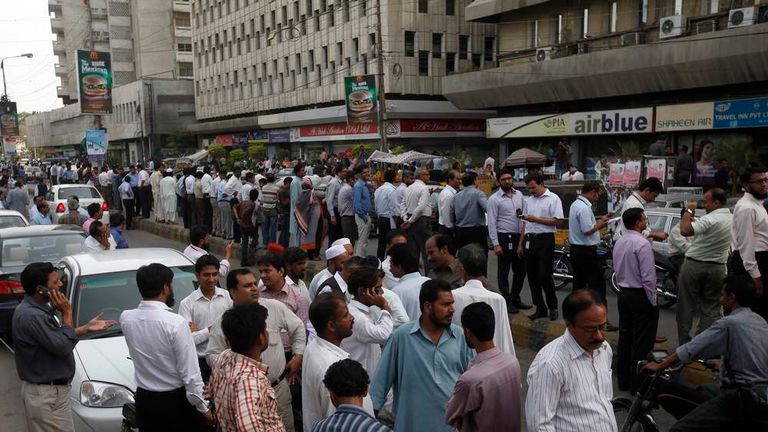
Tremors were felt in several Pakistani areas. Islamabad, the capital city, experienced the shaking. People in offices and homes felt the tremor. Many residents reported a distinct swaying sensation. The province of Khyber Pakhtunkhwa also felt the quake. Reports came in from Peshawar and other northern districts.
Official Confirmation from Pakistani Authorities
Pakistani authorities quickly confirmed the incident. The National Seismic Monitoring Centre issued a statement. They verified the tremors originated from Tajikistan. They assured the public the quake was not local. Officials stated no immediate tsunami threat existed. They are monitoring the situation for any aftershocks.
Public Response and Social Media Reaction
Social media reacted swiftly to the earthquake. People in Pakistan used platforms to share experiences. Many posted about feeling their buildings shake. The event trended online with hashtags. Users shared safety tips and checked on loved ones. This real-time sharing helped spread accurate information fast.
Understanding Earthquake Science and Regional Risk
This event highlights regional seismic activity. The region sits near major tectonic plate boundaries. Earthquakes are a natural geological occurrence here. Understanding this science helps reduce public fear. Preparing for quakes is essential for community safety. Knowledge about “drop, cover, and hold on” saves lives.
Safety Measures During and After an Earthquake
Knowing what to do during an earthquake is critical. If you are indoors, stay there. Drop down onto your hands and knees immediately. Take cover under a sturdy table or desk. Hold on to your shelter until the shaking stops. If you are outdoors, move to a clear open area. Stay away from buildings, streetlights, and utility wires.
Continued Monitoring and Preparedness Efforts
Seismic centers continue to monitor the region. Scientists analyze the data from this earthquake. This information helps improve future risk assessments. Governments stress the importance of public preparedness. Having an emergency plan and kit is always advised. Staying informed through official channels remains the best course of action.