New Index Ranks Arab Cities
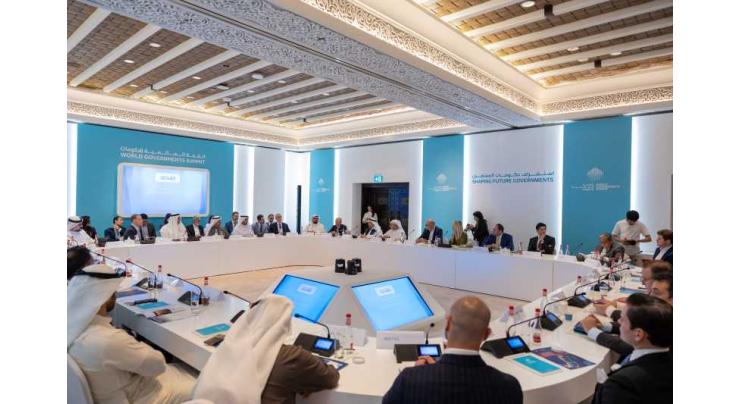
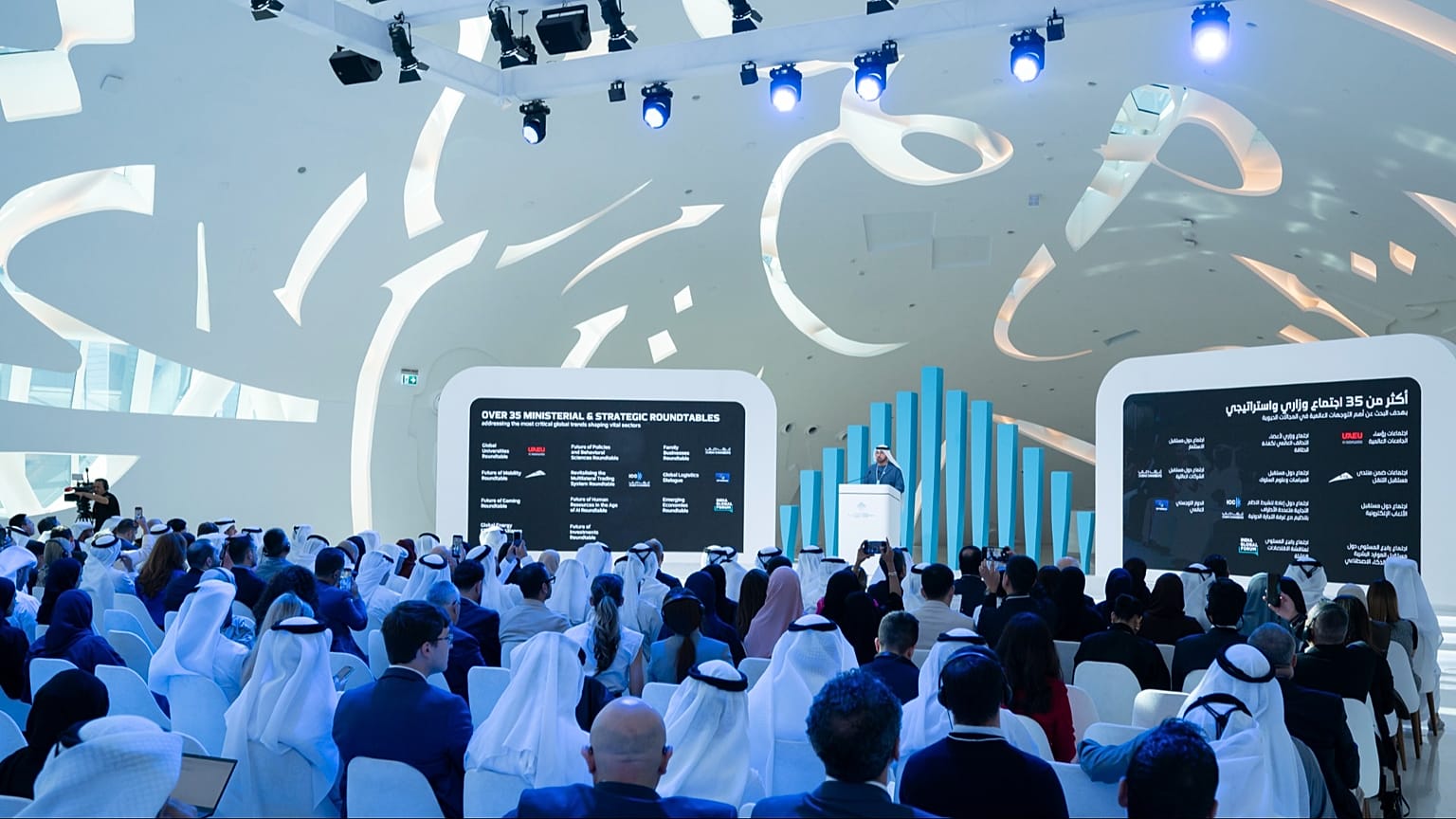
A major new tool for measuring the cultural strength of urban centers across the Arab world has just been unveiled. Leaders and policymakers at the World Government Summit 2026 witnessed the launch of the pioneering Arab Cities Culture & Creative Industries Index. This comprehensive report provides the first standardized method for evaluating and comparing the vibrant creative economies of cities throughout the region. It represents a significant step forward in understanding the sector’s immense potential. The index is deliberately designed as an advanced policy-enabling tool, giving governments clear data to make smarter decisions. It will help officials identify strengths, address weaknesses, and unlock new opportunities for economic growth and cultural development. This initiative promises to reshape how nations invest in and nurture their creative talent and cultural infrastructure for a more prosperous future.
What is the Arab Cities Culture & Creative Industries Index?
The Index is a detailed and rigorous benchmarking system. It examines the multifaceted ecosystem that allows culture and creativity to thrive within an urban environment. This goes beyond simply counting museums or theaters. The framework analyzes a wide range of factors that contribute to a vibrant creative scene. It looks at the enabling environment, including policies, regulations, and institutional support provided by city governments. It measures cultural infrastructure, such as performance venues, galleries, studios, and public spaces. The index also assesses the size and health of the creative economy itself, encompassing everything from film and music to design, publishing, and digital media. Finally, it evaluates a city’s cultural vibrancy and appeal, including its festivals, community participation, and overall reputation as a creative hub. By combining these elements, the index offers a holistic picture of a city’s cultural health and economic potential.
Why Was This Index Launched at WGS 2026?
The World Government Summit serves as the premier global platform for shaping the future of governance. Launching this index at WGS 2026 underscores the critical role of culture and creativity in modern government strategy. It signals a powerful shift in regional policy thinking, moving beyond traditional economic indicators. The summit brings together the very leaders who can immediately use this tool to craft effective policies. Presenting the index here places the creative sector firmly on the agenda of ministers, mayors, and senior officials. It frames cultural investment not as a luxury, but as a essential driver of future-ready economies, social cohesion, and global soft power. The launch at such a high-profile event guarantees maximum impact and immediate dialogue among decision-makers.
How Does the Index Serve as a Policy-Enabling Tool?
The index transforms abstract concepts about culture into concrete, actionable data. It provides city leaders with a clear diagnostic report on their creative landscape. For example, a city might score high on cultural heritage but low on supporting contemporary digital arts businesses. This precise insight allows policymakers to tailor specific interventions, such as creating new grants for tech-driven creative startups or reforming licensing laws. The tool enables governments to set measurable targets, track progress over time, and justify strategic investments in the sector. It also facilitates evidence-based budgeting, directing funds to areas with the highest potential return for society and the economy. Ultimately, it moves policy-making from intuition to informed strategy.
Key Dimensions Measured by the New Framework
The index’s methodology is built upon several interconnected pillars that together define a city’s creative strength. The Enabling Environment pillar examines the laws, regulations, funding programs, and strategic plans established by city authorities to support the sector. The Cultural Infrastructure pillar maps the availability, quality, and accessibility of physical spaces where culture is created, presented, and consumed. The Creative Economy pillar quantifies the economic contribution, employment figures, number of enterprises, and innovation output within creative industries. The Cultural Vibrancy pillar captures the lived experience through the diversity of cultural offerings, audience engagement levels, and the city’s local and international reputation. Each pillar contains specific indicators, providing a granular view for deep analysis.
Expected Impact on Regional Development and Investment
The widespread adoption of this index is expected to accelerate development across the Arab world. It creates healthy competition among cities, encouraging them to improve their policies and infrastructure to achieve a higher ranking. This competition will likely lead to more funding for arts education, better support for creative entrepreneurs, and enhanced cultural facilities. For investors, the index provides a reliable map of opportunity, highlighting which cities have the most robust ecosystems for creative ventures. It reduces risk and guides capital toward the most promising markets. Furthermore, it empowers creative professionals by advocating for their sector’s value with hard data, potentially leading to better wages, stronger intellectual property protections, and greater recognition of their work’s economic importance.
The Future of Creative Economies in the Arab World
The launch of the Arab Cities Culture & Creative Industries Index marks the beginning of a new chapter. It establishes a consistent baseline from which all future growth can be measured. Annual or biennial editions of the report will show clear trends, highlighting success stories and warning of emerging challenges. This long-term perspective is vital for sustainable development. The tool empowers cities to learn from each other, forging partnerships and sharing best practices across the region. By systematically valuing and nurturing their unique cultural assets and creative talent, Arab cities are poised to build more resilient, diverse, and future-oriented economies. This index is not just a measure of the present; it is a strategic compass for building a more innovative and culturally rich tomorrow.