New UAE Study of Extreme Summer Heat
Researchers at NYU Abu Dhabi have made an important discovery. Their new study explains the main driver of extreme summer heat in the Arabian Gulf region. This research could allow scientists to predict dangerous marine heatwaves several months before they happen.
The findings are crucial for a region known for its intense summers. Understanding these heat triggers helps everyone. It aids governments, industries, and communities in better planning. The study focuses on the complex interaction between the ocean and the atmosphere. It identifies a specific pattern that leads to severe and prolonged heat.
The Core Finding: Moisture from the Arabian Sea
The NYU Abu Dhabi research team pinpointed a key factor. Extreme heat in the Gulf starts with increased moisture from the Arabian Sea. This moisture travels through the atmosphere. It moves over the Arabian Peninsula towards the Gulf. This process happens during the late spring and early summer. The extra moisture in the air acts like a blanket over the region. It traps heat and prevents cooling.
How the “Blanket” Traps the Heat
The science involves a specific cycle. Warm winds carry moist air from the Arabian Sea. This humid air reaches the hot, dry desert land of the peninsula. The land heats the moist air further. This heated, humid air then moves over the Gulf waters. It creates a high-pressure weather system that sits over the region. This system blocks cooler air from entering. It also reduces cloud formation. The result is a powerful heat dome. Temperatures skyrocket and stay high for weeks.
 The Link to Marine Heatwaves
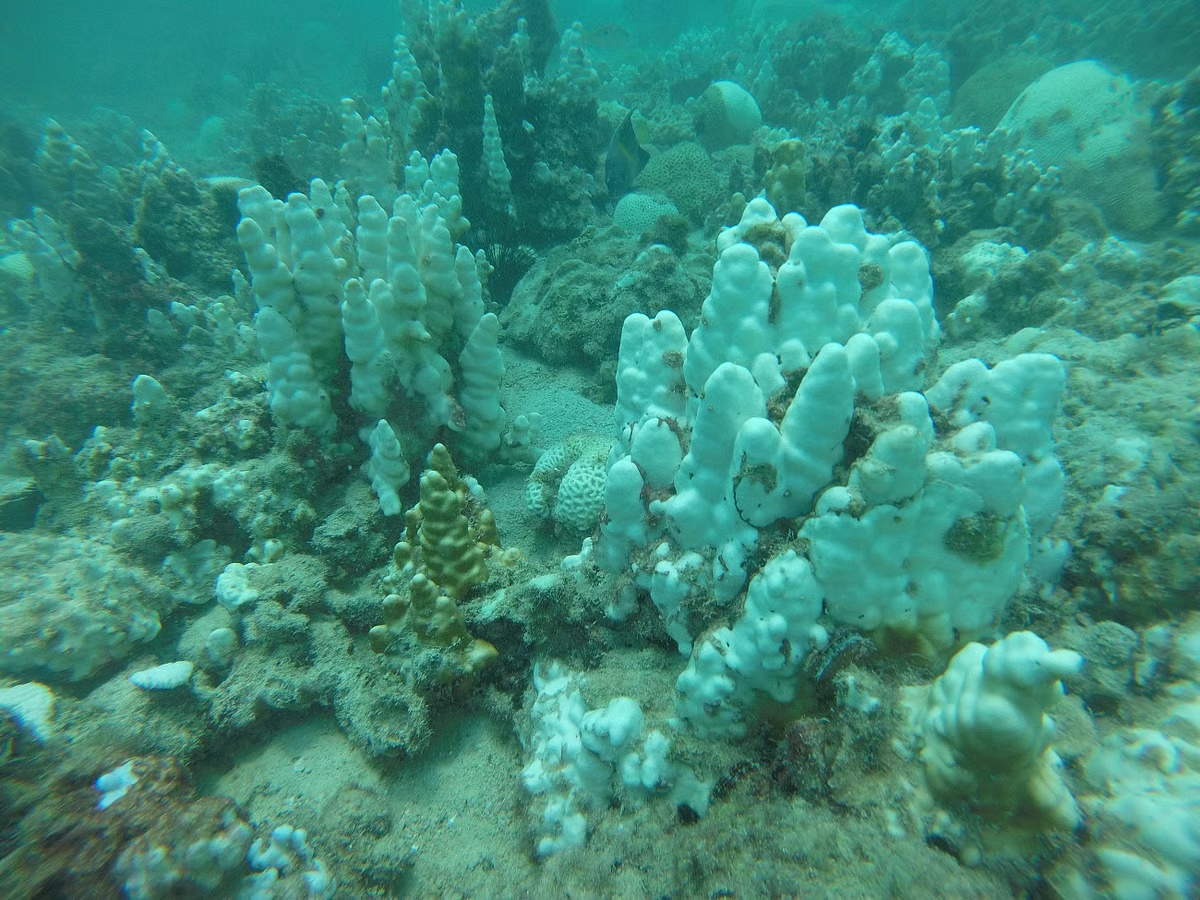
This atmospheric process directly causes marine heatwaves. A marine heatwave is a period of unusually high ocean temperatures. The trapped atmospheric heat constantly warms the surface of the Gulf water. The water cannot cool down effectively. Water temperatures rise to extreme levels. These events are devastating for marine life. They kill corals and seagrass beds. They disrupt the entire coastal ecosystem.
A Breakthrough for Long-Range Prediction
This discovery is a breakthrough for forecasting. Scientists can now monitor moisture levels over the Arabian Sea in April and May. High moisture levels serve as a strong early warning signal. They indicate a high probability of extreme heat in the Gulf by midsummer. This gives a lead time of two to three months. Such advanced warning was not possible before this research.
Why This Prediction Matters
Predicting these heatwaves months in advance is a powerful tool. Coastal industries like fishing and aquaculture can prepare. Environmental managers can take steps to protect sensitive habitats. Public health officials can plan for longer and more severe heat alerts. Energy companies can forecast higher electricity demand for cooling. This research turns the region’s climate from a reactive challenge to a manageable risk.
The Bigger Picture for Gulf Climate Science
The NYU Abu Dhabi study does more than explain summer heat. It provides a new framework for understanding the Gulf’s climate. Researchers can now build more accurate regional climate models. These models will improve long-term projections. The study highlights how remote ocean conditions directly impact local weather. It underscores the interconnected nature of the planet’s climate system.