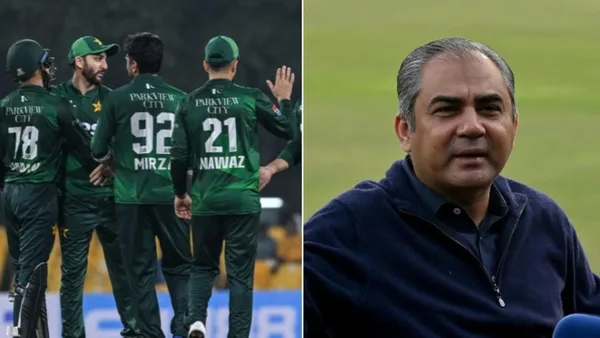
Pakistan Withdrawal from T20 World Cup
The Pakistan Cricket Board is facing a major decision. The PCB is actively considering a withdrawal from the upcoming T20 World Cup. This deliberation follows the official removal of Bangladesh from the tournament’s group stage. The ICC confirmed Bangladesh’s exit due to a scheduling conflict and political interference in its board. The Pakistan board views this development as a serious precedent. A final decision is pending the return of the Prime Minister from an official trip abroad. The situation has created significant uncertainty for the global tournament’s schedule.
Understanding the Context: Why Bangladesh Was Removed from the Tournament
The International Cricket Council enforced a strict rule. The ICC requires all member boards to operate free from government interference. An investigation found the Bangladesh Cricket Board in violation of this key principle. Recent government appointments within the BCB were deemed excessive control. Despite appeals, the ICC upheld its decision to exclude Bangladesh from the T20 World Cup group stage. This action underscores the governing body’s commitment to its autonomy regulations. It also sets a firm example for other member nations.
PCB’s Official Stance: A Protest Against ICC’s Decision-Making
The Pakistan Cricket Board has issued a formal statement. It expresses deep concern over the ICC’s handling of the Bangladesh situation. The PCB argues the punishment is disproportionately severe. It believes the issue could have been resolved with a fine or other sanctions. The board sees the removal as damaging to the spirit of the sport. Pakistan’s potential withdrawal is framed as a strong protest. It is a move to challenge what they call inconsistent application of ICC regulations.
The Role of the Prime Minister: Final Approval Awaited from Leadership
As the Patron-in-Chief of the PCB, the Prime Minister holds decisive authority. All major international commitments require his final approval. The PM is currently on a state visit to a foreign country. The PCB has confirmed it will present a full briefing upon his return. The board will recommend a course of action based on its assessment. The final call to participate or withdraw rests solely with the country’s leadership. This process may take several days, leaving teams and organizers in suspense.
Potential Impact on the T20 World Cup Schedule and Group Dynamics
Pakistan’s withdrawal would cause a massive disruption. The team is a major draw and a previous champion. Its absence would create an empty slot in its group. The ICC would need to find a replacement team at very short notice. This could involve promoting a qualifier or inviting an alternate nation. The entire group stage fixture list would require urgent revision. The commercial and broadcast implications of such a change are substantial.
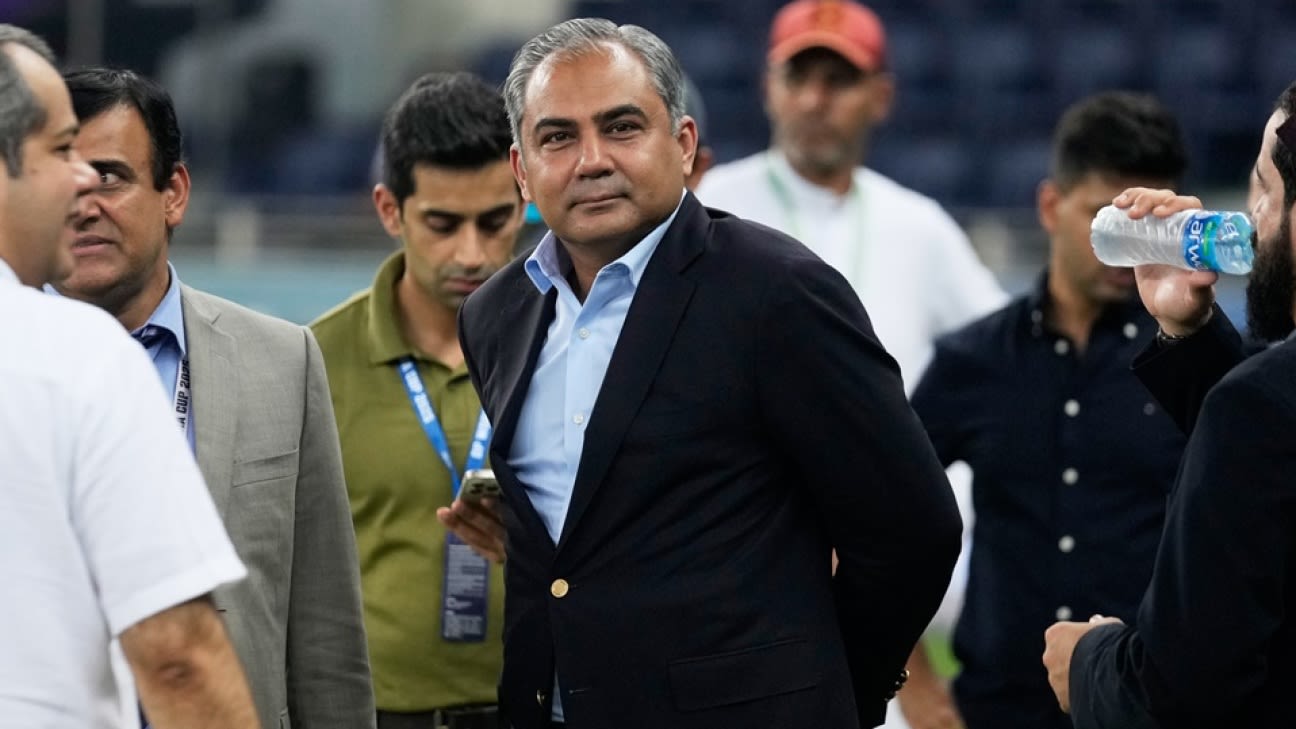
Historical Precedents: Past Boycotts in International Cricket
The sport has seen similar political standoffs before. Teams have withdrawn from tournaments over political disputes and security concerns. These actions have often led to long-term diplomatic rifts within the cricket community. The PCB is weighing this historical context carefully. It must balance its principled stance with the potential isolation it could cause. The board is aware that a boycott affects players and fans most of all.
Reactions from the Cricket World: Players, Fans, and Other Boards
The news has sparked intense reaction globally. Pakistani players are reportedly anxious about missing a premier event. Fans have expressed disappointment on social media platforms. Other cricket boards are watching closely, with many urging diplomacy. The ICC has stated it remains in dialogue with the PCB to find a resolution. The overarching sentiment is a hope for compromise to preserve the tournament’s integrity.
The Legal and Contractual Obligations of the Pakistan Cricket Board
Withdrawal carries serious contractual consequences. The PCB has signed participation agreements with the ICC. Pulling out could trigger severe financial penalties and legal challenges. The board may also face sanctions affecting its future tournament hosting rights. Legal advisors are undoubtedly examining every clause in the contract. The potential cost of a boycott is a significant factor in the final decision.
Possible Scenarios: From Full Withdrawal to a Symbolic Protest
Several outcomes are possible. The first is a full withdrawal from the T20 World Cup. A second scenario is a delayed entry or a threat followed by negotiation. The PCB could also participate under formal protest, seeking future regulatory changes. There is also a chance the PM overturns the board’s recommendation and directs the team to play. The next week will be critical in determining which path is taken.
Looking Ahead: The Long-Term Implications for Pakistan Cricket
The decision will define Pakistan’s relationship with the ICC for years. A withdrawal could strain ties and affect vote-based decisions within the council. It may also impact the morale of the national team and its development pipeline. Conversely, backing down may be seen as weak by domestic stakeholders. The PCB is navigating a complex situation where cricket, politics, and principle are deeply intertwined. The world awaits the final call from Islamabad.