Offer of Bangladesh’s T20 World Cup Matches
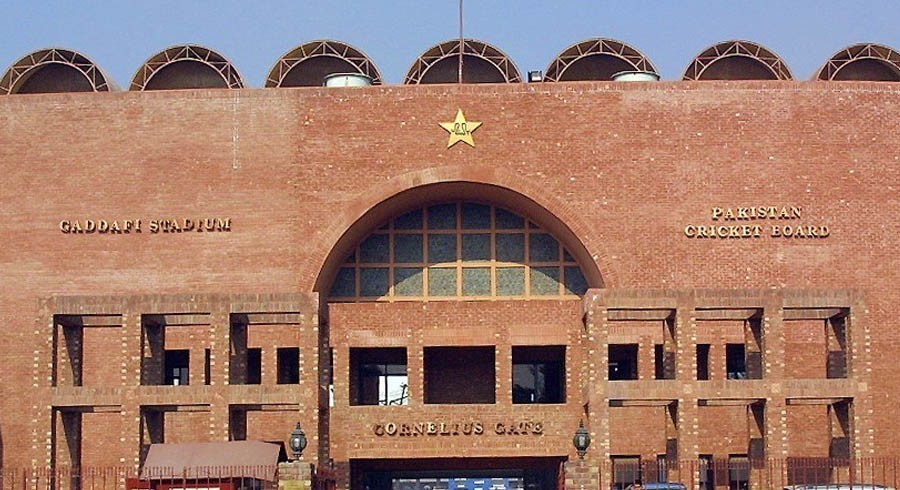
The Pakistan Cricket Board (PCB) has made a significant proposal to the International Cricket Council (ICC). They have offered to host all of Bangladesh’s group-stage matches for the upcoming T20 World Cup. This offer comes after the current schedule placed Bangladesh’s games entirely in India. The PCB sees an opportunity to support a fellow cricket nation and ensure smooth tournament logistics. This move could change the dynamic of the early tournament stages. It highlights the ongoing collaboration and occasional tensions within international cricket scheduling, especially for high-profile global events.
The Current Schedule and the Proposed Change
The ICC released the initial fixture list for the T20 World Cup. According to this schedule, the Bangladesh national team will play all four of its group matches in India. These matches are critical for their campaign to advance to the Super Eight stage. The Pakistan Cricket Board has now formally suggested a change. They propose moving those four Bangladesh matches to venues within Pakistan. This would require approval from the ICC, the Bangladesh Cricket Board (BCB), and likely the Indian authorities. It represents a major shift in the tournament’s geographic plan.
Reasons Behind Pakistan’s Generous Offer
The PCB has provided several reasons for this unexpected offer. First, they cite the strong cricketing relationship and brotherhood between Pakistan and Bangladesh. Hosting these matches would be a gesture of sporting solidarity. Second, Pakistan has recently successfully hosted major international tournaments and series. They have proven security and operational capabilities. Third, it could ease potential logistical or visa challenges for the Bangladesh team and its fans. The offer is framed as a practical solution for the betterment of the tournament.
Logistical and Security Considerations
Moving matches between host countries is a complex process. It involves broadcast arrangements, ticket sales, venue preparation, and team travel. Security protocols are the most critical factor. Pakistan would need to provide cast-iron guarantees to the ICC. The nation has worked hard to restore its reputation as a safe host after past challenges. Their successful hosting of the Pakistan Super League (PSL) and tours by England, Australia, and New Zealand supports their case. The ICC will examine every detail before making any decision.
Potential Impact on the Tournament Structure
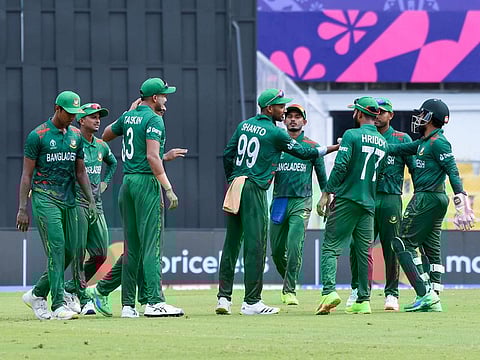
This change would affect the tournament’s symmetry. The T20 World Cup is being co-hosted by the United States and the West Indies. India is a primary venue for many group matches. Moving a team’s entire schedule to another certified host country is unusual. It could set a precedent for future events. It might also influence the atmosphere in the groups, potentially giving Bangladesh a more familiar or supportive environment. The competitive balance and integrity of the event remain the ICC’s top priority.
The Response from Bangladesh and India
The Bangladesh Cricket Board (BCB) must now consider the proposal. They will weigh the sporting and logistical benefits against any political or diplomatic sensitivities. Playing in Pakistan could offer certain advantages, but they may also wish to honor the original schedule. The Board of Control for Cricket in India (BCCI) will also have a view. India is a major host, and any change impacts their planning. The final decision rests with the ICC, but the opinions of all three national boards will carry significant weight.
Looking Ahead: The Decision Timeline and Next Steps
The ICC will likely convene a meeting to discuss the proposal formally. They will request detailed plans and assurances from the PCB. A decision is needed relatively soon to allow for proper planning. If approved, ticket holders in India would need refunds or exchanges. New marketing for the matches in Pakistan would begin. The world of cricket watches closely. This offer is more than just about four matches; it is about diplomacy, capability, and the evolving geography of international cricket hosting.
The PCB’s offer is a bold and fascinating development for the T20 World Cup. It demonstrates proactive leadership and a desire to solve potential problems before they arise. Whether the matches move or not, the proposal itself strengthens Pakistan’s position as a reliable and ambitious cricketing host. The coming weeks will reveal if this gesture of brotherhood becomes a reality, reshaping the early stages of one of cricket’s biggest tournaments and showcasing the sport’s complex, interconnected nature.