Introduction
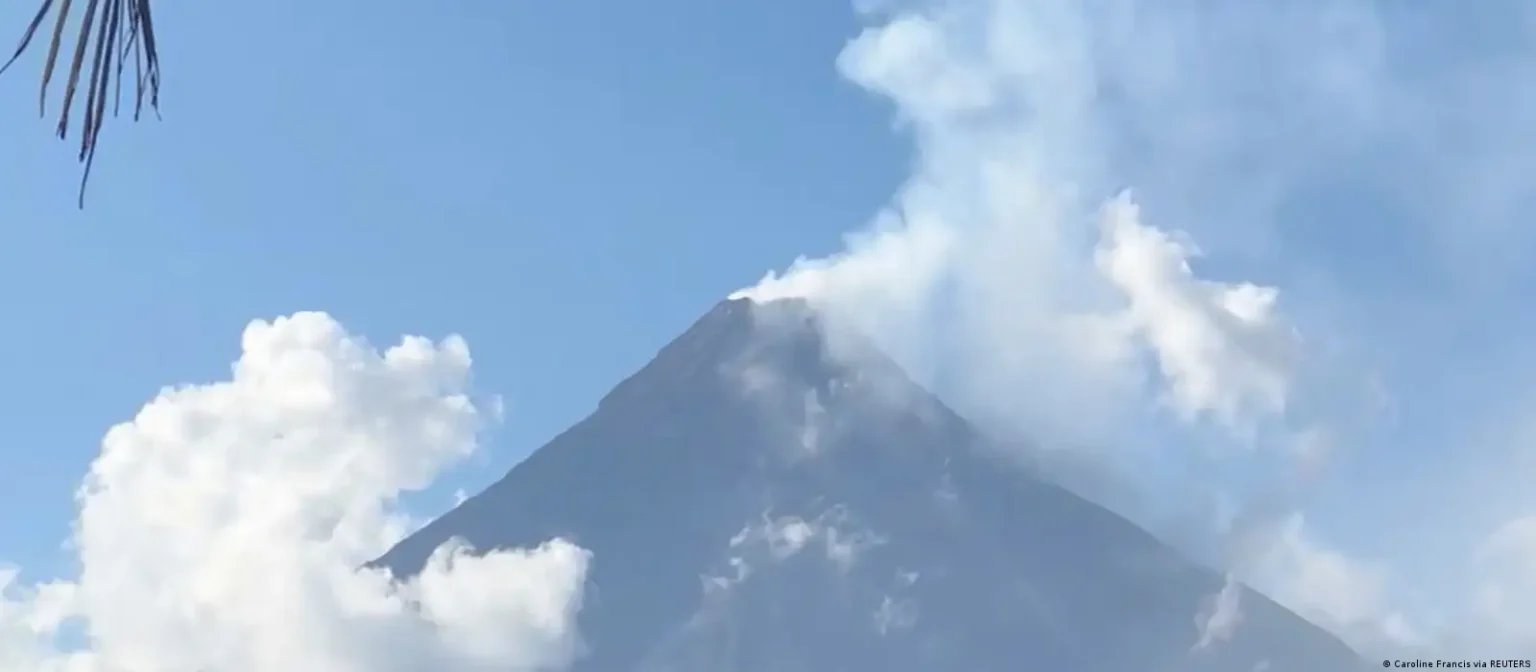
The Philippines has taken urgent action. Authorities ordered the evacuation of around 3,000 residents. This order came after a dangerous increase in activity at Mayon Volcano. The Philippine Institute of Volcanology and Seismology (PHIVOLCS) raised the official alert level. They moved it to Alert Level 3 on a five-step scale. This level means there is increased unrest and a magmatic eruption is possible.
Mayon Volcano is famous for its perfect cone shape. It is one of the most active volcanoes in the Philippines. The raised alert level indicates a significant change. Scientists have observed a steady accumulation of lava at the summit crater. This activity suggests that pressure is building beneath the surface. The government is acting early to move people out of harm’s way. The goal is to prevent any loss of life if a sudden explosive eruption occurs.
Understanding the Alert Level 3 Warning
PHIVOLCS uses a clear five-level alert system for volcanoes. Alert Level 1 means a volcano is in a state of unrest. Alert Level 2 indicates increasing unrest. Alert Level 3 is a major step up. It signifies that magma is at the crater. There is a high risk of a hazardous eruption happening within weeks or even days. At this stage, a 6-kilometer radius Permanent Danger Zone (PDZ) becomes strictly enforced. No one is allowed to enter this area.
The Evacuation Order for High-Risk Zones
Local disaster agencies immediately implemented the evacuation. They focused on communities within the 6-kilometer PDZ. These are the areas most at risk from pyroclastic flows, lava flows, and ashfall. Officials went door-to-door to ensure residents left. Buses and trucks transported people to designated evacuation centers. These centers are often schools or community halls. They provide temporary shelter, food, and water for displaced families.
The Visible Signs: Lava Accumulation and Earthquakes
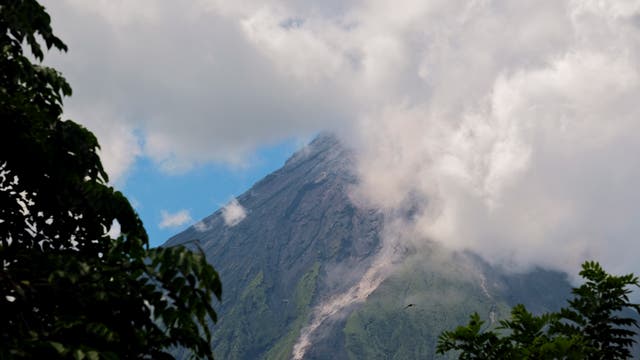
Scientists raised the alert based on clear geological evidence. They reported a growing lava dome in the volcano’s crater. This dome forms when thick lava piles up without flowing away. It can collapse suddenly, triggering deadly pyroclastic flows. PHIVOLCS also recorded a sharp increase in volcanic earthquakes. These quakes are caused by magma moving and breaking rock underground. The combination of quakes and visible lava means the volcano’s plumbing system is highly active.
Mayon’s History of Destructive Eruptions
This urgent response is informed by a tragic history. Mayon Volcano has erupted about 50 times in the last 500 years. Its most destructive eruption was in 1814. That event buried the town of Cagsawa and killed over 1,200 people. More recently, a 2018 eruption forced tens of thousands to evacuate. Authorities have learned that early, mandatory evacuation is the only way to save lives when Mayon shows these specific signs of unrest.
Life in the Evacuation Centers
For the 3,000 evacuees, life is now uncertain. They must stay in crowded centers until PHIVOLCS lowers the alert level. This could take weeks or even months. Families sleep on mats in large rooms. They rely on government and charity donations for meals. Children cannot go to their regular schools. The biggest challenges are maintaining sanitation, preventing disease, and managing the stress of displacement. Community leaders work to keep morale up during the difficult wait.
What Comes Next: Monitoring and Preparedness
PHIVOLCS and disaster teams are on high alert 24/7. They continuously monitor the volcano using cameras, seismographs, and gas sensors. The alert level could be raised to Level 4 if a hazardous eruption is imminent. This would trigger a larger evacuation from a wider area. For now, the government’s priority is keeping the current evacuees safe and supported. They also prepare contingency plans for a worst-case scenario. The world watches as one of nature’s most beautiful yet dangerous landmarks reminds us of its power.