Introduction
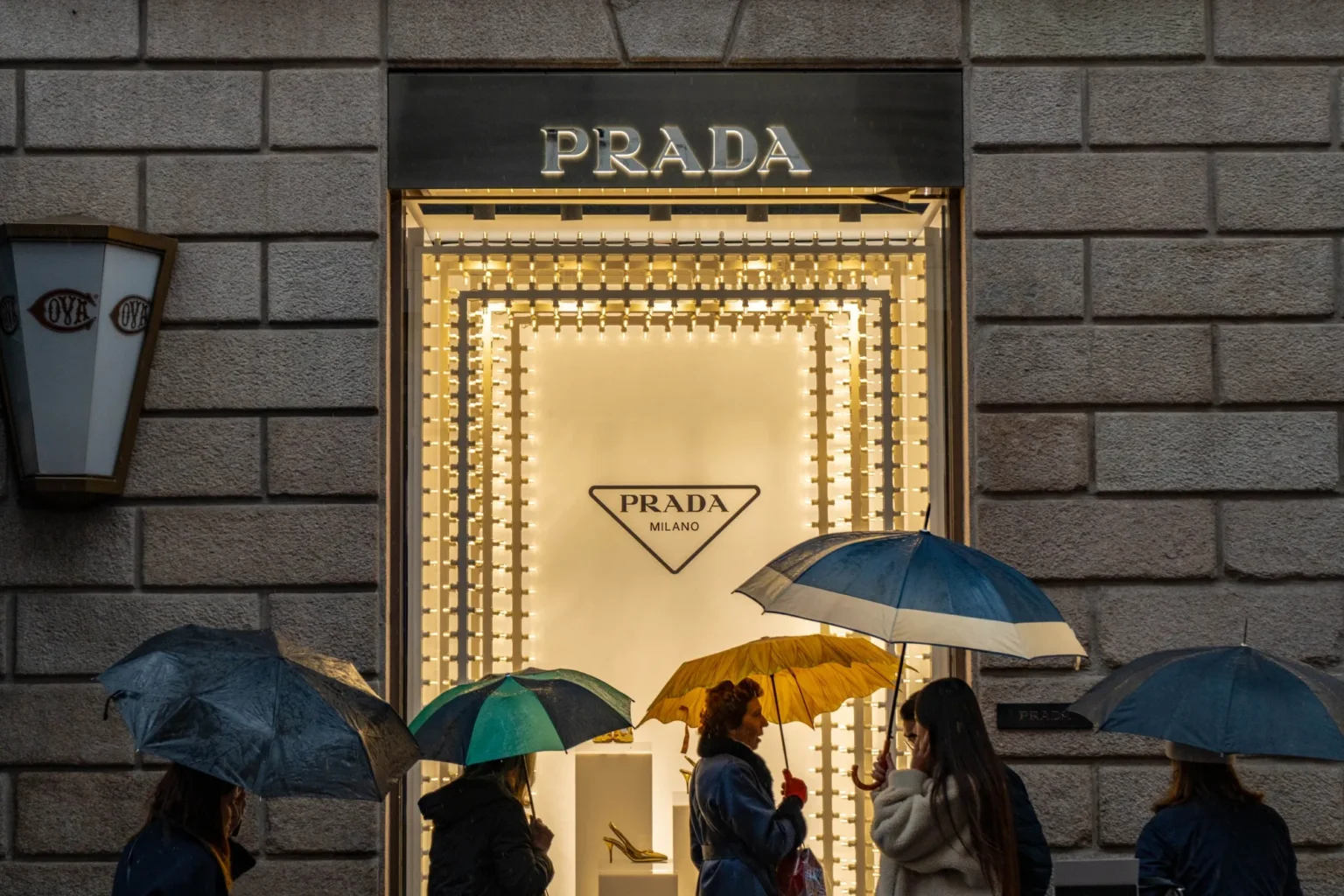
Prada has completed its $1.37 billion acquisition of Versace. The deal marks a major shift in Milan’s luxury market. It brings two iconic Italian fashion houses under one structure. The move pushes analysts and investors to rethink Italy’s place in a market dominated by LVMH, Kering, and Richemont. The acquisition signals a new era of consolidation in Milan. Prada now stands as a stronger competitor to European luxury giants. Versace prepares for a major strategic transformation.
Prada Strengthens Its Global Ambitions
Prada wants to expand its global reach. The company seeks tighter market control. It targets high-growth regions. The brand plans to scale operations fast. Prada aims to boost profits through shared supply chains and unified retail systems. The deal gives Prada new power in Asia, the Middle East, and North America. Demand for Italian luxury stays strong in these regions. Executives view the takeover as essential to competing with multi-brand global groups.
What the Deal Means for Versace’s Future
Versace begins a new chapter under Prada. The brand expects more stability and stronger leadership. It aims for long-term growth. Versace has faced inconsistent creative direction and uneven sales. It struggles to stay relevant in a crowded luxury market. Prada plans to rebuild Versace’s positioning. It will upgrade retail operations and expand digital capabilities. It will also reduce production costs. Versace will likely receive large investments in couture, leather goods, and accessories. These areas remain key for luxury revenue.
 Italian Luxury Consolidates as Competition Intensifies
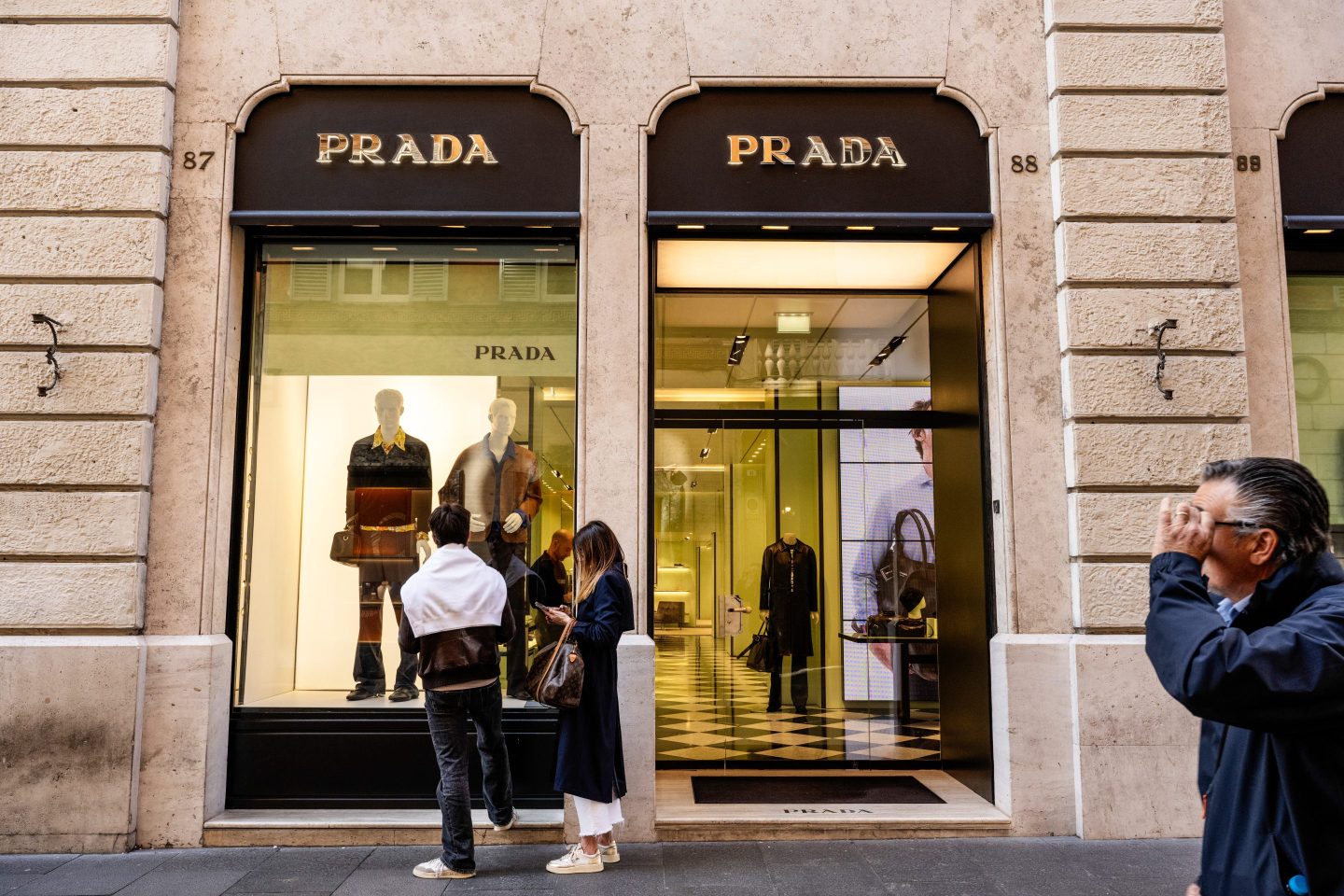
Italy’s luxury industry faces strong pressure from French conglomerates. The Prada–Versace deal represents a bold new approach. Italian brands now see the need to combine resources. The takeover strengthens Milan as a global fashion hub. It signals that Italian houses will defend their market against foreign groups. Analysts expect more mergers and alliances across the industry. The sector is shifting toward larger structures focused on scale, efficiency, and global influence.
Impact on Global Luxury Market Dynamics
The acquisition reshapes competition. Prada gains stronger negotiating power with suppliers and retailers. The move challenges rivals leading in leather goods, apparel, and accessories. Consumers may see closer brand integration and more aggressive marketing. They may also see faster product innovation. The global luxury market now watches how Prada and Versace align their strategies under one vision.
A New Chapter for Milan’s Fashion Identity
Milan’s fashion identity continues to evolve. The deal marks a shift from independent houses to powerful consolidated groups. It brings Milan closer to global luxury trends while protecting Italian design heritage. Experts view the move as a turning point for Italian fashion. Prada and Versace now help shape Milan’s future as a leading luxury capital competing with Paris, London, and New York.