Introduction
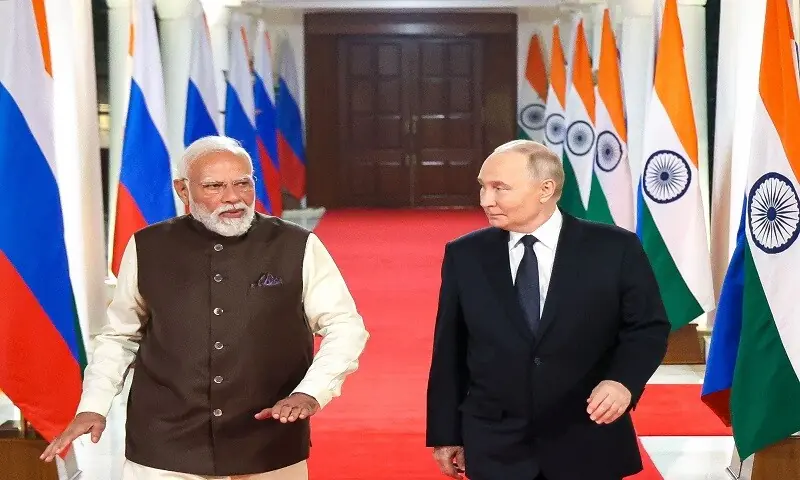
Russian President Vladimir Putin arrived in India for high-level defence and trade discussions. The visit marks a key moment in India-Russia relations. Leaders aim to strengthen strategic ties in military, energy, and technology sectors. Analysts say the visit signals Moscow’s intent to maintain influence amid shifting global alliances. New Delhi faces increasing pressure from the United States to reconsider certain defence collaborations. Despite this, India continues to pursue independent foreign policy choices. Putin’s meetings are expected to cover advanced defence systems, joint military exercises, and bilateral trade initiatives.
Strengthening Defence Cooperation
India and Russia have long-standing defence relations. During the visit, both sides plan to discuss new arms deals, technology transfers, and modernization programs. The talks also include upgrading existing equipment and enhancing joint military exercises. Defence analysts highlight that India seeks to balance its partnerships with multiple global powers. Russian officials emphasize the need to sustain long-term cooperation. Putin’s visit reinforces India-Russia military collaboration at a time when New Delhi navigates complex geopolitical pressures. The defence agenda also includes discussions on strategic maritime cooperation and aerospace technology exchanges.
Boosting Bilateral Trade
Trade discussions form a significant part of Putin’s India visit. Delegations from both countries explore energy projects, infrastructure investments, and technology partnerships. India looks to import Russian oil, gas, and other raw materials while expanding exports of pharmaceuticals, IT services, and engineering products. Russian businesses aim to explore opportunities in India’s industrial and consumer markets. Analysts note that economic cooperation complements the strategic defence partnership. The trade talks also focus on creating joint ventures and strengthening supply chain linkages to support mutual growth.
Glo
bal Pressure
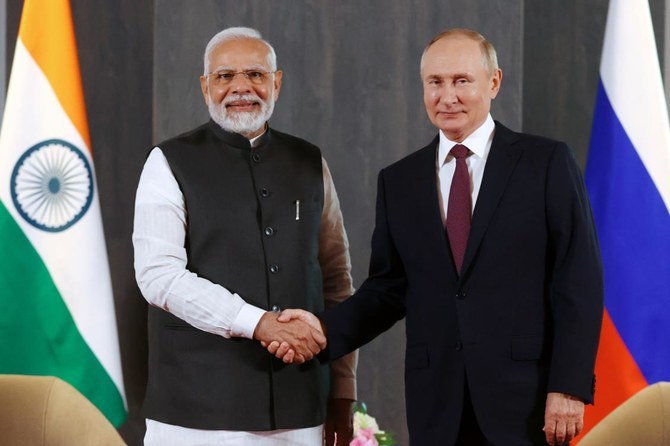
India faces growing US pressure regarding defence procurement and partnerships. Despite this, New Delhi maintains a policy of strategic autonomy. Officials emphasize that India will engage with multiple global powers to secure national interests. Putin’s visit demonstrates Moscow’s commitment to India as a key partner in Asia. Analysts say the visit underlines the balancing act India plays between maintaining historical ties with Russia and expanding relationships with Western allies. The discussions are expected to send signals to regional and global stakeholders about India’s independent foreign policy stance.
Outcomes Expected from the Visit
Officials expect several agreements to be signed during Putin’s visit. These may include defence supply deals, trade memoranda, and joint investment frameworks. Experts predict announcements on military technology collaborations and energy cooperation. The visit is also an opportunity to discuss regional security challenges, including counterterrorism and maritime security. Analysts say successful talks will solidify India-Russia strategic partnership and enhance mutual trust. The visit highlights the depth and resilience of bilateral ties amid changing global dynamics.
Conclusion
Putin’s visit emphasizes the importance of India-Russia defence and trade relations. The talks reinforce both nations’ long-standing partnership. New agreements are likely to strengthen military collaboration and economic engagement. Analysts highlight that India will continue to navigate global pressures while preserving strategic autonomy. The visit underscores that India-Russia relations remain a key pillar of New Delhi’s foreign policy. Observers say the outcome will shape regional dynamics and influence global strategic balances in the years ahead.