Philippines sedition charge
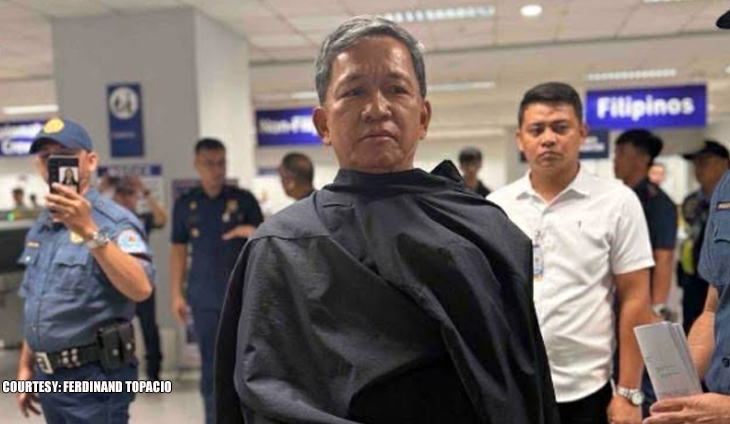
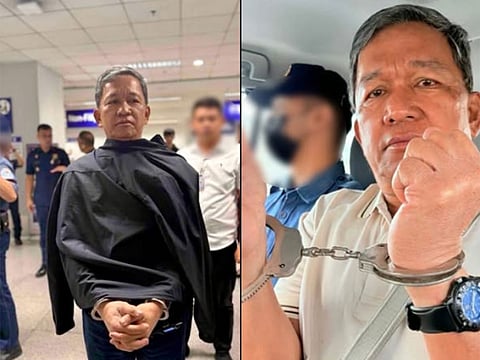
A high-profile arrest has taken place at one of the Philippines’ main international gateways. Retired Philippine Air Force General Romeo Poquiz was apprehended by authorities at Ninoy Aquino International Airport (NAIA). The arrest was made on the basis of a formal charge of sedition. The legal case against the retired general stems directly from his alleged role in a major public demonstration held in 2025. That rally was an anti-corruption protest held at the historic People Power Monument in Metro Manila. The arrest of a former senior military officer on such a serious charge highlights the ongoing political tensions and legal battles surrounding public dissent and freedom of speech in the country, marking a significant escalation in the government’s response to its critics.
The Arrest Occurred at Manila’s Primary International Airport
The operation was carried out at Terminal 3 of Ninoy Aquino International Airport (NAIA). This is the busiest and most modern terminal in Manila, serving millions of passengers each year. Authorities, likely from the Philippine National Police (PNP) or the National Bureau of Investigation (NBI), intercepted General Poquiz as he was presumably preparing to travel or arriving from a trip. The choice of location suggests law enforcement had specific intelligence about his movements. An arrest at a major transport hub ensures a controlled environment but also creates a very public spectacle, sending a clear message about the reach and determination of the state in pursuing the case.
Understanding the Serious Charge of Sedition
Sedition is a serious criminal charge under the Philippine Revised Penal Code. It is defined as a public act, speech, or publication that incites people to rebellion against the lawful government or authority. The charge does not require that a rebellion actually occur, only that the words or actions were intended to provoke it. It is a non-bailable offense if the evidence of guilt is strong. Conviction can lead to a lengthy prison sentence. Applying this charge to a retired general involved in a protest elevates the legal interpretation of the rally from a peaceful assembly to a potentially treasonous act, setting a controversial legal precedent.
The 2025 Anti-Corruption Rally at the People Power Monument
The event at the center of the charge was a large anti-corruption rally in 2025. It was held at the iconic People Power Monument along Epifanio de los Santos Avenue (EDSA). This monument commemorates the 1986 People Power Revolution that toppled a dictatorship. Choosing this location was deeply symbolic for the protesters. They were invoking the spirit of peaceful, people-powered change. The rally reportedly criticized high-level government corruption and called for accountability. General Poquiz, in his retirement, was a visible participant and speaker at this gathering. His involvement lent it a sense of gravitas and a connection to the institutional integrity of the armed forces.
The Role of a Retired Military Officer in Political Protest
The involvement of a retired general like Romeo Poquiz in a political protest is significant. Even in retirement, high-ranking officers carry substantial moral authority and public influence. Their criticism of the government carries extra weight because of their former role in defending the state. The government often views such actions by retired officers as particularly damaging. It can be seen as undermining the current leadership and potentially influencing active-duty personnel. The arrest signals that the administration will not tolerate what it perceives as destabilizing criticism from figures with military backgrounds, seeking to draw a clear line between loyal service and post-retirement political activism.
Legal Proceedings and Potential Defenses in the Case
General Poquiz will now face the Philippine judicial system. His legal team will likely file motions for bail, arguing that the evidence against him is not strong. They may challenge the sedition charge itself. A defense could argue that his speech at the rally was protected political expression under the constitution. They may state that criticizing corruption is not an incitement to rebellion but a democratic duty. The prosecution will present evidence, such as video of his speech and witness statements, to prove a seditious intent. The case could become a landmark legal battle over the boundaries of free speech and national security in the Philippines.
Reactions from the Public, Military, and Political Groups
The arrest has triggered mixed and strong reactions. Supporters of the government applaud the move as upholding the rule of law against destabilizers. Opposition groups and human rights organizations condemn it as political persecution and an attack on free speech. They see it as an attempt to silence critics ahead of upcoming elections. Within the military, the reaction is likely muted but closely watched. Active personnel are prohibited from engaging in political activities. This case serves as a stark warning to retired officers about the limits of their political engagement. It may create a chilling effect, discouraging other retired officers from speaking out publicly on controversial issues.
A Case That Tests Democratic Freedoms in the Philippines
The arrest of Retired General Romeo Poquiz on a sedition charge is more than a single legal case. It is a litmus test for the state of democratic freedoms in the Philippines. It pits the government’s duty to ensure stability against the citizens’ constitutional right to assemble and criticize their leaders. The outcome will influence the political climate for years to come. It will define how dissent is treated and whether the legacy of the People Power Revolution—which the protest invoked—remains a living inspiration for change or becomes merely a historical monument, its contemporary meaning contested in a court of law.