Separatist Bid In Canada’s Oil Hub
A political movement in Western Canada is attracting new attention. The region is the heart of the nation’s oil and gas industry. A bid for separation, once considered a fringe idea, is now gaining serious traction. This shift is happening as key allies of former U.S. President Donald Trump take a direct interest. The movement capitalizes on long-standing regional grievances. These include feelings of economic neglect and political alienation from the federal government. What was a sideshow is now becoming a main stage issue in Canadian politics, with observers in Washington closely watching.
The Heart of the Movement: Alberta’s Oil Economy and Grievances
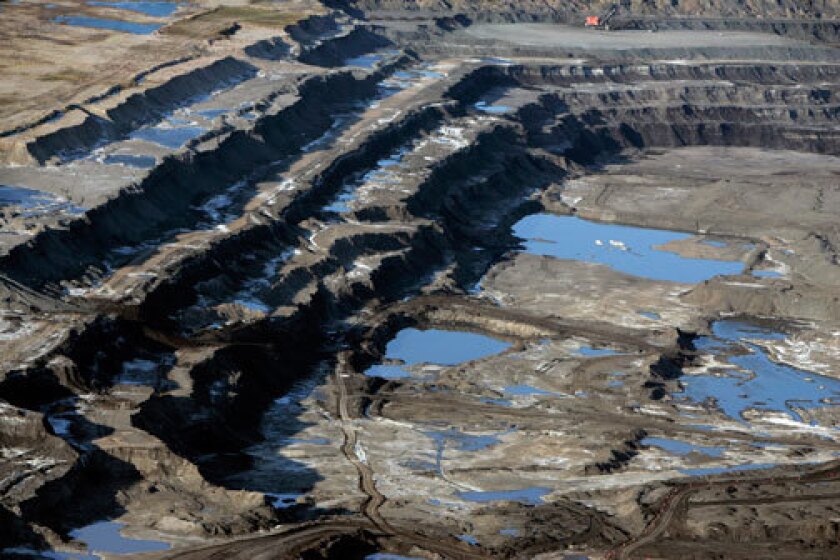
The separatist movement is centered in Alberta, Canada’s energy powerhouse. The province holds the world’s third-largest oil reserves. For decades, it has powered the national economy. Many residents feel Ottawa takes their wealth but gives little back. They point to federal environmental policies that hinder energy projects. They argue these policies cost jobs and investment. This economic frustration fuels the desire for greater autonomy or outright independence. The movement says Alberta could be more prosperous on its own, free from federal regulations.
From ‘Wexit’ to Mainstream: The Evolution of Separatist Politics
The movement gained the nickname “Wexit,” combining “West” and “exit.” It began as a protest wave after the 2019 federal election. It has since organized into formal political entities. The Maverick Party now represents the cause at the federal level. Several provincial advocacy groups push the agenda locally. Politicians who once dismissed separation now sometimes echo its talking points to show they listen to voter anger. This normalization has moved the idea from the political fringe toward a debated mainstream issue.
Why Trump’s Circle is Watching Closely
Allies of former President Donald Trump are monitoring the situation. Figures in Trump’s orbit see a parallel to their own political battles. They view it as a fight against a liberal federal establishment. Some American commentators have publicly praised the separatist effort. They see a potential ally in a resource-rich, conservative region. This external interest provides moral support and amplifies the movement’s message. It also introduces a complex international dimension to a domestic Canadian issue, raising the stakes for all involved.
 Key Arguments of Separatist Advocates
Supporters make several core arguments for separation. They believe Alberta sends too much money to Ottawa through equalization payments. They want full control over their natural resources and tax system. They feel their values are not represented by federal leaders from other regions. They argue independence would let them build closer ties with the United States. Proponents claim a sovereign Alberta could fast-track energy exports and attract more investment without federal interference.
The Federal and Legal Hurdles to Separation
The path to actual separation is extremely difficult. Canadian constitutional law does not have a clear process for a province to secede. The federal government would never agree easily to losing a major economic engine. Any separation bid would trigger a long, bitter legal and political battle. It would likely require a clear referendum vote and negotiations with immense uncertainty. Most experts consider full independence a remote possibility, but the threat alone gives the movement significant political power.
Potential Impact on Canada-U.S. Relations and Trade
A serious separatist push would directly impact Canada’s relationship with the United States. The U.S. is Canada’s largest trading partner and closest ally. Washington’s official position would be to support a united Canada. However, visible sympathy from powerful U.S. political figures could create tension. The situation could also disrupt cross-border energy infrastructure and trade agreements. It introduces a new element of instability in North American politics, which businesses and governments would have to navigate carefully.
What Comes Next for the Movement and the Region
The separatist movement is likely to keep growing as a political force. It will pressure provincial and federal politicians to address Western grievances more seriously. The movement may push for a formal referendum in the coming years, even if success is unlikely. Its real power lies in shifting the national conversation and forcing policy changes. The watchful eye from south of the border ensures this Canadian issue will have a persistent international audience, changing the dynamics of the debate for the foreseeable future.