Introduction
Several international NGOs have filed a lawsuit in the UK against Shell. They claim the company contributed to climate change that worsened Typhoon Rai, also called Odette, in the Philippines. The typhoon hit in late 2021 and caused extensive damage. NGOs argue Shell has a duty to reduce emissions and address the risks linked to extreme weather events.
Typhoon Rai
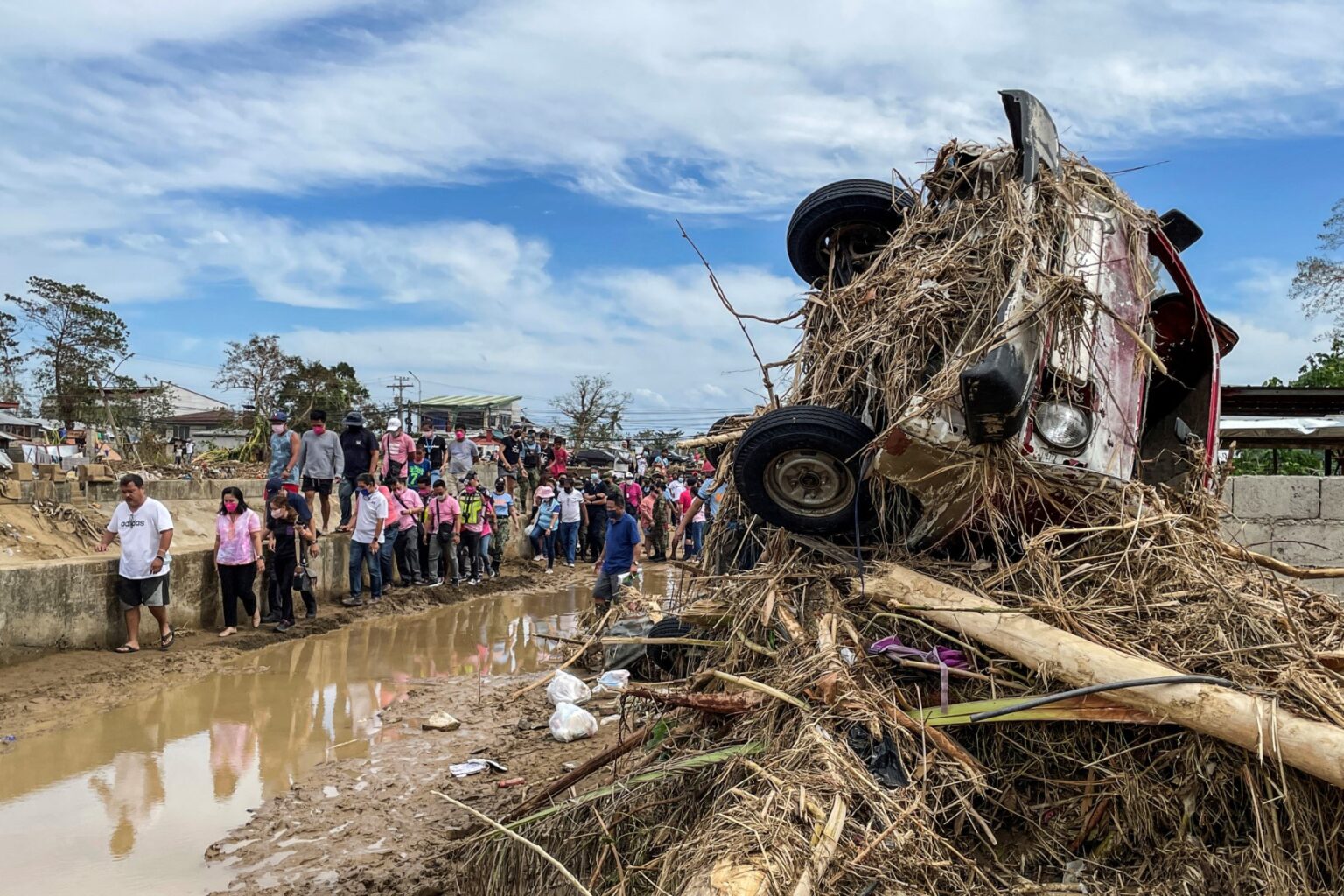
Typhoon Rai struck the Philippines with strong winds and heavy rainfall. Thousands of homes were destroyed, and many people lost their lives. Experts describe it as one of the most powerful late-season cyclones in the region. NGOs highlight the link between human-driven climate change and the increasing intensity of storms.
 Legal Basis of the Case
The lawsuit targets Shell’s UK headquarters, claiming the company contributed significantly to global carbon emissions. NGOs say Shell’s actions increased the frequency and severity of extreme weather events. This legal action falls under climate liability and corporate responsibility. The case seeks accountability and potential reparations for affected communities.
Global Implications
This lawsuit is part of a growing trend of climate litigation. Companies worldwide face pressure to curb emissions and address environmental harm. Legal experts note that cases like this could set a precedent for holding corporations accountable for climate-related disasters.
Conclusion
Shell now faces scrutiny in UK courts over Typhoon Rai’s impact. NGOs are pushing for recognition of corporate responsibility in climate change. The case highlights the growing role of legal action in climate mitigation and disaster accountability. Observers say the outcome could influence future climate litigation worldwide.