Introduction
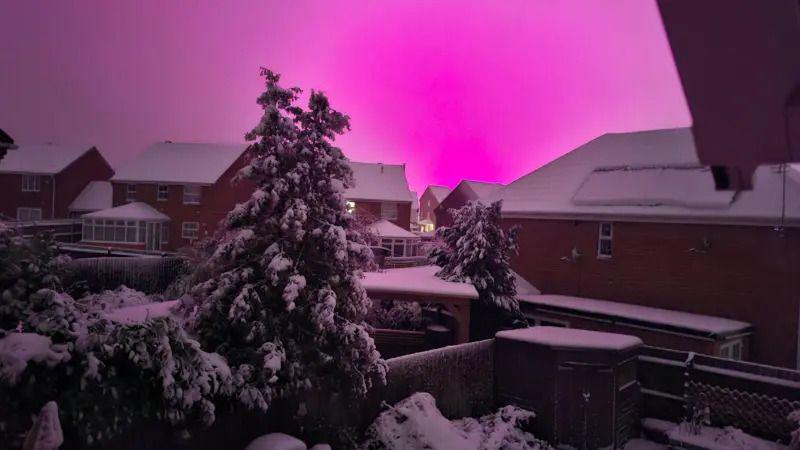
Birmingham, UK – A rare and beautiful weather event occurred across Birmingham as storm Goretti hit the city. The winter storm dumped heavy snow, but it also produced a surprising second effect. It painted the evening and morning skies a dramatic, glowing shade of pink. Residents across the city shared stunning photos and videos of the colorful scene on social media. The unusual sight quickly became a major topic of local conversation and online wonder. Meteorologists confirmed the connection, explaining that the specific conditions brought by storm Goretti directly caused and intensified this striking natural light display, turning a typical snowy day into a memorable visual spectacle.
What Did Storm Goretti Bring to Birmingham?
Storm Goretti arrived as a powerful winter weather system. It brought significant snowfall that covered streets, cars, and buildings in a thick white blanket. The storm also created very specific atmospheric conditions above the city. These conditions included a particular arrangement of clouds, ice crystals in the air, and a clear horizon for the sun’s light to pass through as the storm moved through the region, setting the stage for the unusual visual phenomenon that followed.
 What Caused the Pink Sky Over the City?
The pink sky resulted from a specific interaction of light and atmosphere. Sunlight contains all the colors of the rainbow. During sunrise and sunset, the sun sits very low in the sky. Its light must travel through a much thicker portion of the Earth’s atmosphere to reach our eyes. This long journey scatters the shorter blue and green light wavelengths away. The longer red and orange wavelengths pass through more easily. Storm Goretti filled the air with lots of tiny snow and ice particles. These particles further scattered the remaining light, intensifying the red and pink tones and creating the vivid glow that captivated the city.
How Did Storm Goretti Make the Pink Sky Stronger?
Meteorologists note that Goretti’s specific setup was perfect for this effect. The storm had a clear edge to the west as it departed. This provided a clean, low-angle path for the setting sun’s rays. The heavy snowfall from the storm left the air densely packed with uniformly small ice crystals. These crystals acted like millions of tiny mirrors and prisms, catching and spreading the sunset’s red light across the entire sky dome. This combination of clear horizon and ice-filled air amplified the normal sunset colors into an extraordinary pink blanket over the snowy landscape.
Is a Pink Sky with Snow Common?
Pink skies can occur with snow, but the intensity seen with storm Goretti was special. Light snowfall or different cloud types often produce a softer orange or yellow glow. The heavy, widespread nature of Goretti’s snow created a more uniform and vibrant effect. This event was a powerful and clear example of this scientific principle in action, making it a notable and widely observed event for the people of Birmingham rather than just a faint or brief color change.
What Is the Science Behind This Light Scattering?
The science is called Rayleigh scattering. It explains how tiny particles in the atmosphere affect the color of our sky. During the day, these particles scatter blue light, making the sky look blue. At sunrise and sunset, the sunlight takes a much longer path. Almost all the blue light gets scattered away before it reaches us. The light that finally arrives is rich in reds and pinks. Snowstorms add countless extra ice particles into the mix. These particles enhance the scattering effect, making the red and pink hues even more brilliant and widespread than during a normal sunset.
Did the Pink Sky Have Any Special Meaning?
Some people online shared old sayings about pink skies. Phrases like “pink sky at night, sailor’s delight” became popular in social media posts. Meteorologists confirm that such sayings often have a basis in weather patterns. A pink evening sky can sometimes indicate high pressure and clearing weather ahead. In this case, the pink sky was primarily a direct and beautiful side effect of the storm’s own composition, a temporary spectacle caused by the specific physics of light interacting with the departing storm’s conditions.
How Can People See This Phenomenon Again?
Similar pink sky events require a specific set of weather conditions. Look for a departing snowstorm at sunrise or sunset. The air must still be full of snow or ice crystals. A clear slice of horizon where the sun is rising or setting is also essential. While not an everyday occurrence, understanding the science helps explain these magical moments. The next major winter storm could offer another chance to witness this stunning interaction of weather and light, turning a simple snowfall into a breathtaking natural display.