Introduction
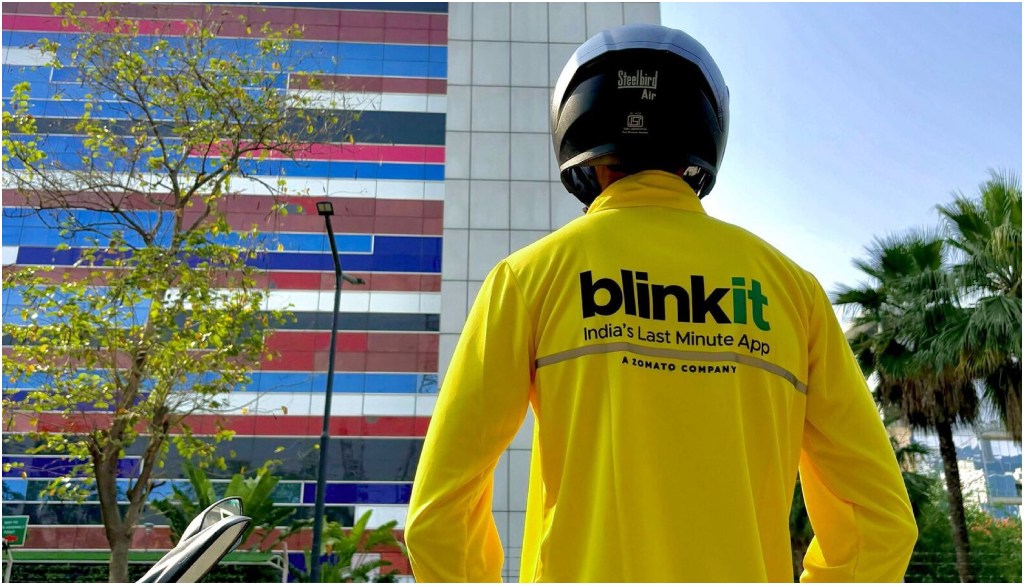
Major Indian delivery platforms Swiggy and Blinkit have made a significant policy change. Both companies have officially stopped their popular 10-minute delivery service. This decision comes directly after the Indian government raised serious safety concerns. Government officials told these e-commerce companies to change their operations. They instructed the platforms to prioritize their delivery partners’ safety over speed. This move ends a highly competitive race for the fastest delivery time in the country. It marks a new focus on worker welfare within the growing quick commerce industry. Millions of customers across India will experience longer delivery times now.
The Government’s Direct Intervention On Safety
The Indian government actively stepped in to address a growing problem. Officials from key ministries held meetings with top e-commerce companies. They presented data on accidents involving delivery riders. The government stated that extreme delivery time targets were unsafe. These strict deadlines forced riders to drive too fast and break traffic rules. The authorities made their position very clear to company leaders. They said the safety of delivery partners must come first. Companies must redesign their systems to protect their workers. This government directive left Swiggy and Blinkit with no other choice. They had to remove their fastest delivery promise to follow the new guidelines.
 Swiggy And Blinkit Officially End The Service
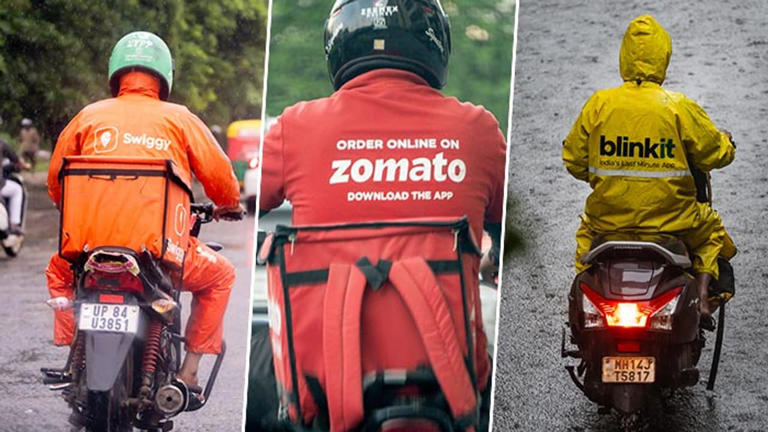
Both Swiggy and Blinkit have confirmed the end of their 10-minute delivery option. Swiggy Instamart and Blinkit were famous for this super-fast service. They announced the change on their official platforms and through internal memos. Their apps and websites no longer show the 10-minute delivery promise. Customers now see standard delivery slots instead. The companies stated they are committed to following all government guidelines. They emphasized their dedication to their delivery partners’ well-being. This is a major reversal from their previous marketing. Speed was once their biggest selling point in advertisements. Now, safety becomes their key public message.
Understanding The Risks For Delivery Riders
Delivery riders faced tremendous pressure under the old 10-minute system. They had to navigate busy city streets under a tight countdown. This led to widespread reports of dangerous driving behavior. Riders often skipped red lights and drove on wrong-side roads. They did this to avoid penalties for being late. The result was a sharp increase in accidents and injuries. Many riders worked long hours without proper insurance coverage. The government noted that companies treated riders as partners, not employees. This classification sometimes limited their access to benefits and safety protection. The new rules aim to reduce these physical risks immediately.
New Industry Standards For E-Commerce Delivery
The government’s action sets a new standard for the entire e-commerce industry. Other quick delivery services will likely review their own time promises. The focus is shifting from unrealistic speed to responsible service. Companies may now invest more in rider training and safety equipment. Better insurance policies for delivery partners could become the norm. The government may introduce official regulations for delivery time frames. This ensures a level playing field for all companies. Customer expectations will also adjust to more realistic delivery windows. The industry is entering a new phase where safety is a core business value, not just a slogan.
Customer Reaction And Revised Delivery Times
Initial customer reaction to the change is mixed. Some users express disappointment at losing the instant convenience. Others support the decision, understanding the safety reasons behind it. Swiggy and Blinkit now offer delivery in longer time slots. Customers can typically expect their orders within 15 to 30 minutes. The companies assure users that this change will not affect service reliability. They promise orders will still arrive promptly and in good condition. The core convenience of having groceries and food delivered home remains. Only the extreme speed guarantee has been removed to protect workers.
The Future Of Quick Commerce In India
This event is a turning point for India’s quick commerce sector. Growth will now depend on balance and sustainability. Companies must build trust with both customers and delivery partners. Innovation may focus on efficient routing and logistics instead of pure speed. Technology can help make deliveries safer, not just faster. The government has shown it will intervene for worker safety. This could lead to more formal rules for the gig economy. The future looks different for platforms like Swiggy and Blinkit. They will compete on service quality and reliability, not just a stopwatch. The well-being of the people who deliver your order is finally getting top priority.