Taj Mahal Diamond Row
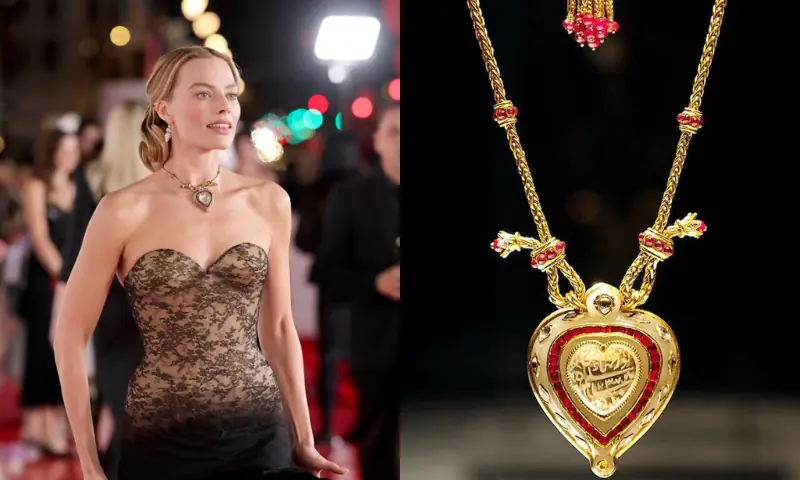
Hollywood actress Margot Robbie is receiving significant criticism online. The backlash centers on a stunning diamond necklace she wore recently. The necklace features a famous central diamond from the Taj Mahal. The jewel’s estimated value is a staggering eighty-eight million dollars. Critics are questioning her decision to wear this historically significant piece. The debate asks if the problem is the act of wearing it or her failure to acknowledge its full story.
The Lavish Necklace and Its Royal History
Margot Robbie wore the necklace to a high-profile movie premiere. The piece is a lavish creation by the luxury jeweler Bulgari. Its centerpiece is a large, table-cut diamond with a famous provenance. Historical records state this diamond once belonged to the Mughal Empire. It was reportedly later given as a gift to the wife of Emperor Shah Jahan. This is the same emperor who built the iconic Taj Mahal monument in India. The jewel is therefore deeply connected to Indian history and culture.
The Core of the Public Backlash
Public criticism erupted quickly on social media platforms. Many people from India and the global diaspora expressed their anger. Their issue is not simply the wearing of an expensive piece of jewelry. The core complaint is about the apparent lack of respect for the artifact’s origin. Critics feel Robbie treated it as mere Hollywood glamour. They argue she ignored the diamond’s profound cultural and historical context. This act is seen by some as a form of cultural appropriation.
 The Question of Acknowledgment and Provenance
A key question drives the controversy. Would the reaction be different with proper acknowledgment? The actress did not mention the diamond’s history during her appearance. She did not credit its origins in any public statements related to the event. Many believe this silence is the real problem. They argue that wearing such a piece requires acknowledging its complex past. This includes recognizing its roots in a specific cultural heritage. The failure to do so is viewed as erasure.
Bulgari’s Role and Historical Ownership
The jeweler Bulgari acquired the diamond in previous decades. The company often features it as a star item in its heritage collection. Their promotional material usually notes its Mughal emperor connection. However, the broader colonial history of such gems is rarely discussed. Many historic Indian jewels moved to Western hands during the colonial era. This painful history makes public display a sensitive issue. The current controversy touches on these unresolved historical tensions.
Broader Debates on Celebrity and Cultural Artifacts
This incident fits into a larger ongoing global conversation. There is increasing scrutiny on celebrities wearing culturally significant artifacts. The debate balances appreciation against appropriation. It questions who has the right to display certain historical items. It also examines the responsibility that comes with that privilege. The expectation now is for public figures to be more educated and respectful. They must understand the stories behind the luxury items they borrow.
The Response from Margot Robbie’s Team
Representatives for Margot Robbie have not issued a detailed public statement. Sources close to the actress suggest the jewelry was a loan from Bulgari for the event. Standard practice for such loans is for the celebrity to showcase the design. They are not typically required to give a history lesson. This industry norm is now clashing with changing public expectations. The silence from her team is currently fueling more discussion and criticism online.
A Lesson in Cultural Sensitivity
The Taj Mahal diamond row highlights a new standard for celebrity conduct. Expensive jewelry often carries a history beyond its sparkle. Public figures now operate in a more culturally conscious world. Wearing items of deep heritage significance requires greater awareness. A simple acknowledgment can often prevent serious backlash. This event serves as a case study for the importance of context. It shows that glamour must now coexist with genuine respect for provenance.