New Impeachment Complaints Against Top Leaders
The Philippines finds itself in a rare political situation. Two new impeachment complaints have been formally filed in the House of Representatives. One complaint targets President Ferdinand Marcos Jr. A separate fresh complaint targets Vice President Sara Duterte. This means the country’s two highest elected officials are simultaneously facing attempts to remove them from office. The complaints land at a time of visible political tension between the once-allied leaders. The situation raises questions about the stability of the administration and the intense nature of Philippine politics.
A Complaint Accuses President Marcos Jr Of Various Constitutional Violations
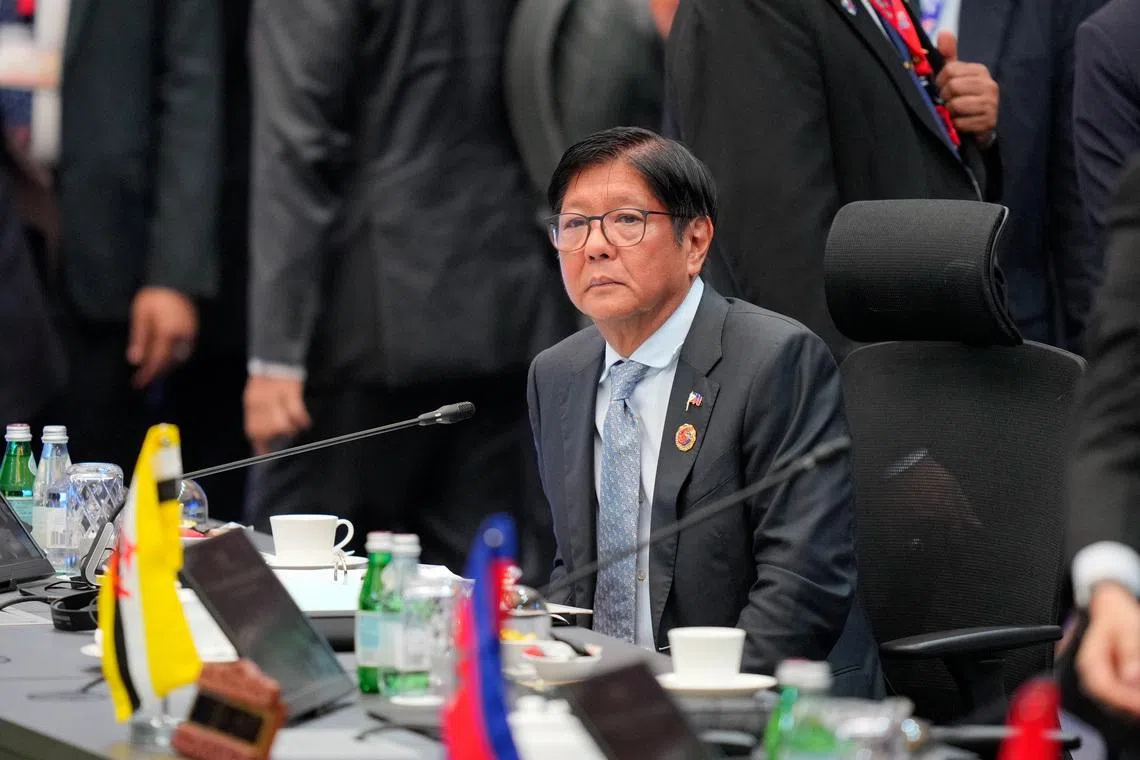
The impeachment case against President Marcos Jr contains several accusations. The complainants allege he violated the constitution by failing to address the country’s territorial issues in the West Philippine Sea. They also accuse him of allowing corruption to spread within the government. Furthermore, they claim he abused his power by using government funds for programs that primarily benefit his political allies. These are serious charges that the House of Representatives must now evaluate for their legal form and substance before any proceedings can advance.
A Separate Complaint Targets Vice President Sara Duterte
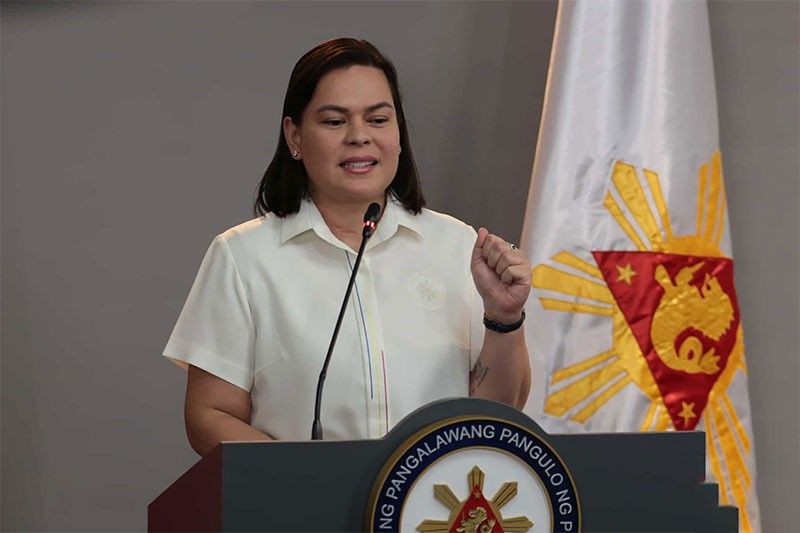
At the same time, a new impeachment complaint has been lodged against Vice President Sara Duterte. The details of the accusations against her are still emerging publicly. However, previous complaints have focused on her use of confidential government funds during her tenure as Secretary of Education. The filing signifies deepening political divisions. It is highly unusual for a president and vice president from the same election ticket to both face impeachment complaints during their term, highlighting a severe breakdown in their alliance.
The official impeachment process in the Philippines follows a strict legal path. Any complaint must first be filed with the House of Representatives. The Speaker of the House then refers the complaint to the powerful House Committee on Justice. This committee has the critical job of determining if the complaint is sufficient in form and substance. They evaluate whether the accusations, if true, would constitute an impeachable offense like betrayal of public trust, corruption, or constitutional violation. The committee’s initial vote is a major first hurdle.
The Political Makeup Of Congress Heavily Influences The Process
The fate of any impeachment complaint is deeply political. President Marcos Jr’s coalition holds a commanding majority of seats in the House of Representatives. This makes the dismissal of the complaint against him very likely. The complaint against Vice President Duterte may face a different dynamic, as her support within the house is less certain. Observers note that impeachment in the Philippines is often less a legal process and more a political tool, with outcomes heavily influenced by the current alignment of power in Congress.
The Situation Creates Major Uncertainty For Governance
Having both the president and vice president under impeachment clouds creates significant uncertainty. It can distract the government from addressing urgent national issues. It consumes the time and attention of lawmakers. It may also affect the stability of the administration’s political coalition and its ability to pass laws. Investors and the public often watch such developments with concern, as prolonged political conflict can impact economic confidence and national unity.
The Philippines Has A History Of Major Impeachment Proceedings
The country has witnessed several historic impeachment cases. Most notably, former President Joseph Estrada was impeached by the House in 2000, though his trial in the Senate was not completed. The process against Chief Justice Renato Corona in 2011 led to his conviction and removal by the Senate. These events show that while filing a complaint is common, reaching the actual trial stage in the Senate is rare and requires immense political momentum. The new complaints add another chapter to the nation’s complex political story, testing its democratic institutions once again.