Uttar Pradesh crime news
A horrific crime has sent shockwaves through the state of Uttar Pradesh and across India. Police have arrested two individuals for the brutal assault and murder of a six-year-old girl. The young victim was allegedly raped by the accused. After the assault, the perpetrators reportedly carried the girl to the roof of a building. They then threw her from the roof in an attempt to kill her and hide the evidence. Tragically, the child succumbed to her injuries. In a chilling detail, police confirm that both accused men were neighbours of the girl’s family. This case highlights extreme violence and a profound betrayal of community trust, igniting national outrage and urgent calls for justice and child protection.
The Crime Unfolded in the Victim’s Own Neighbourhood
The incident occurred in a residential locality, a place where children should feel safest. The young girl was reportedly lured or taken by the two accused men. They lived in the same neighbourhood and were familiar to the community. This proximity allowed them access and reduced the child’s suspicion. The alleged assault took place in a secluded area. Afterwards, in a cold-blooded act to cover their crime, they carried the injured child to a rooftop. They then threw her off, believing this would eliminate the primary witness and any physical evidence linking them to the rape, demonstrating a calculated and monstrous intent.
Betrayal of Trust: Accused Were Known Neighbours
The most disturbing aspect for the community is the identity of the accused. They were not strangers passing through. They were neighbours, part of the daily fabric of local life. This fact shatters the basic sense of security parents have within their own residential areas. It forces a painful conversation about vigilance, even around people one thinks they know. The betrayal of trust by community members makes the grief and anger even more intense for the victim’s family and other residents. It proves that danger can sometimes hide in plain sight, wearing a familiar face.
Swift Police Action Leads to Arrests Based on Evidence
Local police reacted swiftly to the incident after the girl’s body was discovered. They launched an intensive investigation based on forensic evidence and community inquiries. The probe quickly pointed towards the two neighbours. Police collected crucial physical evidence from the crime scene and the suspects. They also relied on CCTV footage from the area and witness statements. Within a short period, the police team tracked down and arrested both accused men. They have been charged under stringent sections of the Indian Penal Code for rape, murder, and destruction of evidence, ensuring they face the full force of the law.
 Community Outrage and Demands for Maximum Punishment
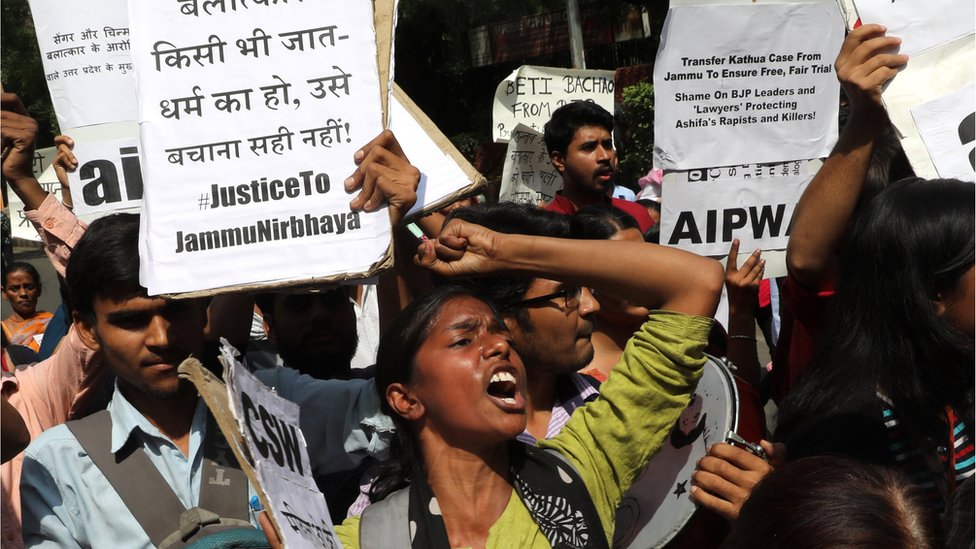
News of the crime has triggered massive public outrage. Local residents and child rights activists have held protests, demanding the fastest possible trial. There are loud calls for the death penalty for the accused. The brutality of the crime, combined with the victim’s young age and the accused’s trusted position, has made it a national headline. Social media is flooded with messages of grief and anger. The case has become a symbol of the urgent need to strengthen systems that protect children from predators, regardless of where they are found, and to deliver justice that matches the severity of the crime.
A Grim Reminder of the Persistent Threat to Children
This tragic event is a grim, extreme example of a widespread societal problem. Crimes against children, including sexual violence, remain alarmingly high in India. Data from the National Crime Records Bureau (NCRB) consistently shows thousands of such cases reported every year. Incidents like this expose the vulnerability of children, especially girls, even in their own homes and neighbourhoods. They underscore the critical need for continuous awareness, education on “good touch and bad touch” from a very young age, and for adults to be vigilant and create safe environments where children can speak up without fear.
The Long Road to Justice and Healing for the Family
For the victim’s family, the pain is unimaginable and permanent. Their loss is irreplaceable. Their journey now involves navigating a traumatic legal process while dealing with profound grief. They will need immense psychological support and community solidarity. The court case will be long and emotionally draining as details of the crime are presented. The family’s only hope is that the judicial system will deliver a swift and unequivocal verdict, providing some measure of closure. Their tragedy has become a rallying cry for preventing similar horrors from happening to other families, transforming private grief into a public demand for change.
Strengthening Prevention and Support Systems
In the aftermath, the focus must extend beyond punishment to prevention. Communities need better street lighting, active neighbourhood watch programs, and accessible helplines. Schools must reinforce personal safety education. Parents require resources on how to talk to their children about safety and recognize signs of distress. Law enforcement needs dedicated, sensitive units to handle crimes against children. This case must serve as a brutal wake-up call to audit and strengthen every layer of protection around children, ensuring that trust within communities is reinforced by systems that actively deter and detect predators, making safety a shared, actionable responsibility for all.