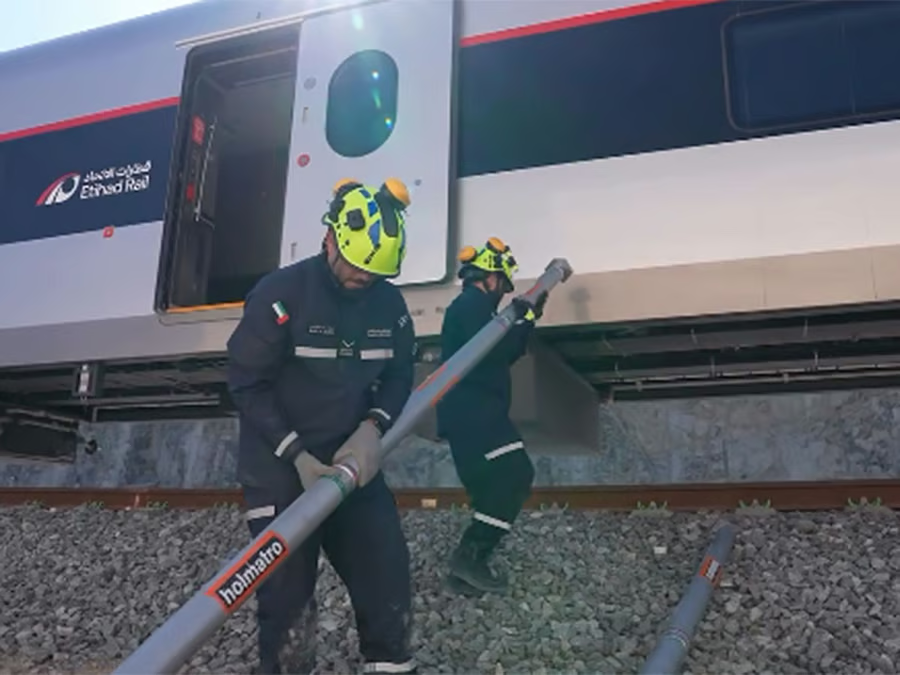
UAE emergency exercise
The United Arab Emirates has taken a major step to strengthen its national safety infrastructure. The UAE Civil Defence, in a key partnership with Etihad Rail, successfully conducted a large-scale strategic emergency exercise. This multi-agency drill spanned challenging locations across the country. The primary goal was to rigorously test emergency response times, operational readiness, and seamless coordination between different teams. This proactive initiative underscores the nation’s unwavering commitment to protecting its citizens, residents, and critical economic assets by preparing for any potential scenario with the highest levels of professionalism and efficiency.
Exercise Simulates Real Emergencies on Railway Network
The training scenarios were designed to mirror real-life emergencies that could occur on or near the national railway network. Teams responded to simulated incidents involving the rail infrastructure in diverse and difficult terrain. This practical approach ensures that response protocols are not just theoretical but are tested under conditions that mimic actual stress and complexity. By practicing in these environments, personnel build the muscle memory and decision-making skills essential for effective action during a genuine crisis, where every second counts and clear coordination is paramount.
Multiple Agencies Demonstrate Coordinated Response
A core achievement of the exercise was the demonstrated synergy between multiple government and semi-government entities. Personnel from the UAE Civil Defence worked directly alongside teams from Etihad Rail, ambulance services, and other relevant authorities. The drill focused on establishing clear communication channels, defining unified command structures, and executing joint action plans. This level of inter-agency coordination is vital for managing large-scale incidents where a single agency cannot operate in isolation and requires the integrated resources and expertise of several specialized bodies.
Drill Tests Readiness in Challenging Geographic Terrain
The exercise specifically targeted the UAE’s varied and sometimes difficult landscape. Teams operated in remote desert areas, near mountainous regions, and close to critical coastal infrastructure. Operating in these environments presents unique logistical challenges, such as equipment transport, communication reliability, and access to remote sites. Successfully navigating these challenges during the drill proves that the nation’s emergency services are equipped and trained to reach and assist people anywhere in the country, regardless of how hard the location is to access.
Focus on Rapid Response Times and Efficient Resource Deployment
A critical metric for any emergency service is its speed of response. This nationwide exercise placed a strong emphasis on measuring and improving reaction times from the initial alert to the arrival of first responders at the simulated incident site. Planners also tested the efficiency of deploying specialized equipment and personnel from various stations to a central point. Optimizing these timelines can dramatically improve outcomes in real emergencies, potentially saving lives and minimizing property damage through swift and decisive action.
 Enhancing Public Safety for Major National Projects
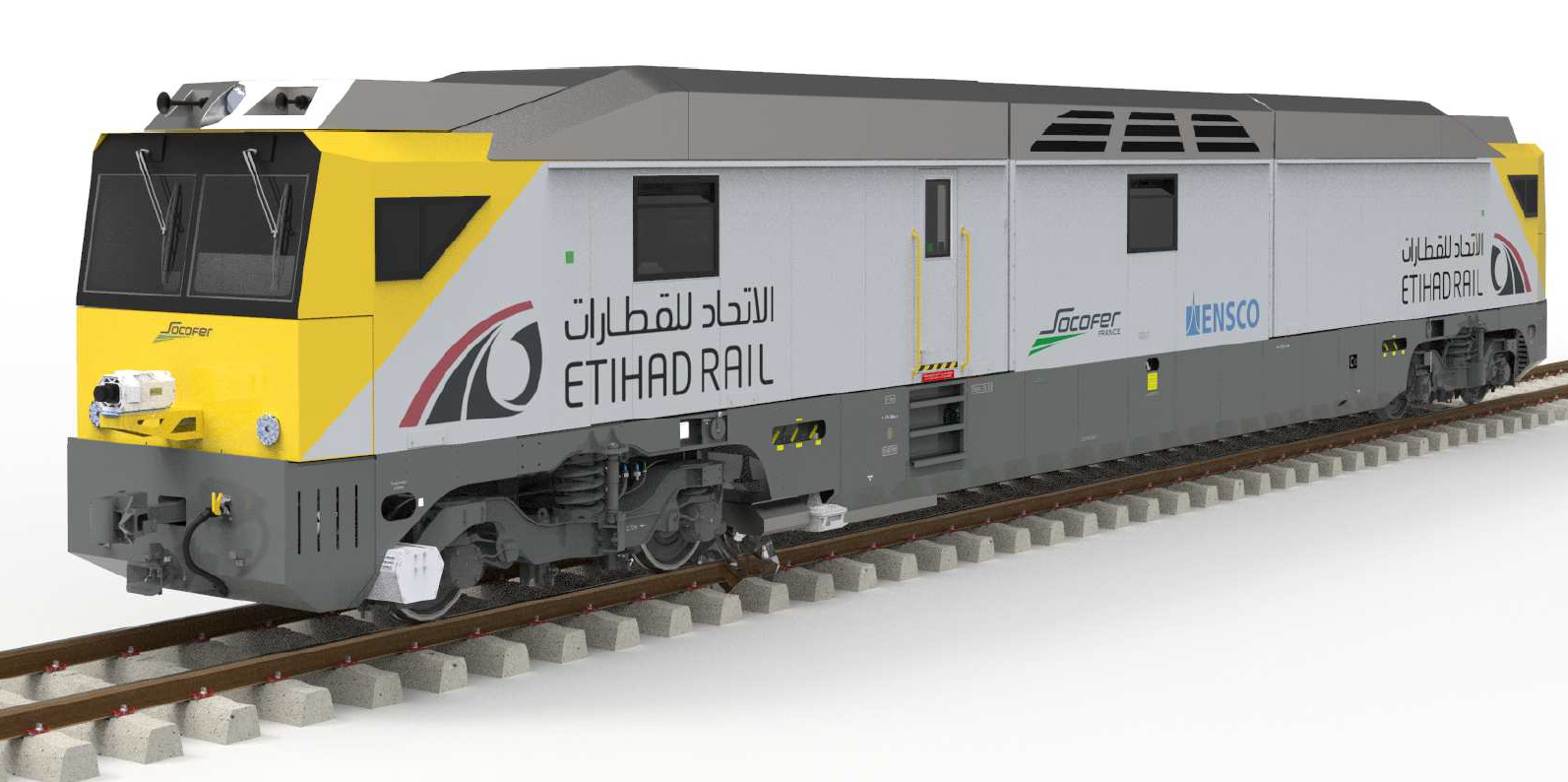
This exercise holds particular importance for the future of the UAE’s transportation sector. Etihad Rail is a landmark national project that will connect the emirates and transform logistics. Ensuring the highest possible safety standards for its operations is a top priority for the government. Proactive, joint exercises like this one directly enhance public confidence in the safety and reliability of this new and critical piece of national infrastructure, assuring the community that its development goes hand-in-hand with the highest standards of public protection.
Continuous Improvement for National Resilience
The completion of this strategic drill is not an endpoint, but part of an ongoing process. Data on response times, communication effectiveness, and tactical decisions will be thoroughly analyzed by all participating agencies. This analysis will identify strengths to maintain and areas for improvement. The lessons learned will directly inform future training programs, update existing emergency protocols, and guide the procurement of next-generation equipment. This cycle of exercise, evaluation, and enhancement is fundamental to building a more resilient nation that is prepared to protect its people and its progress under any circumstances.