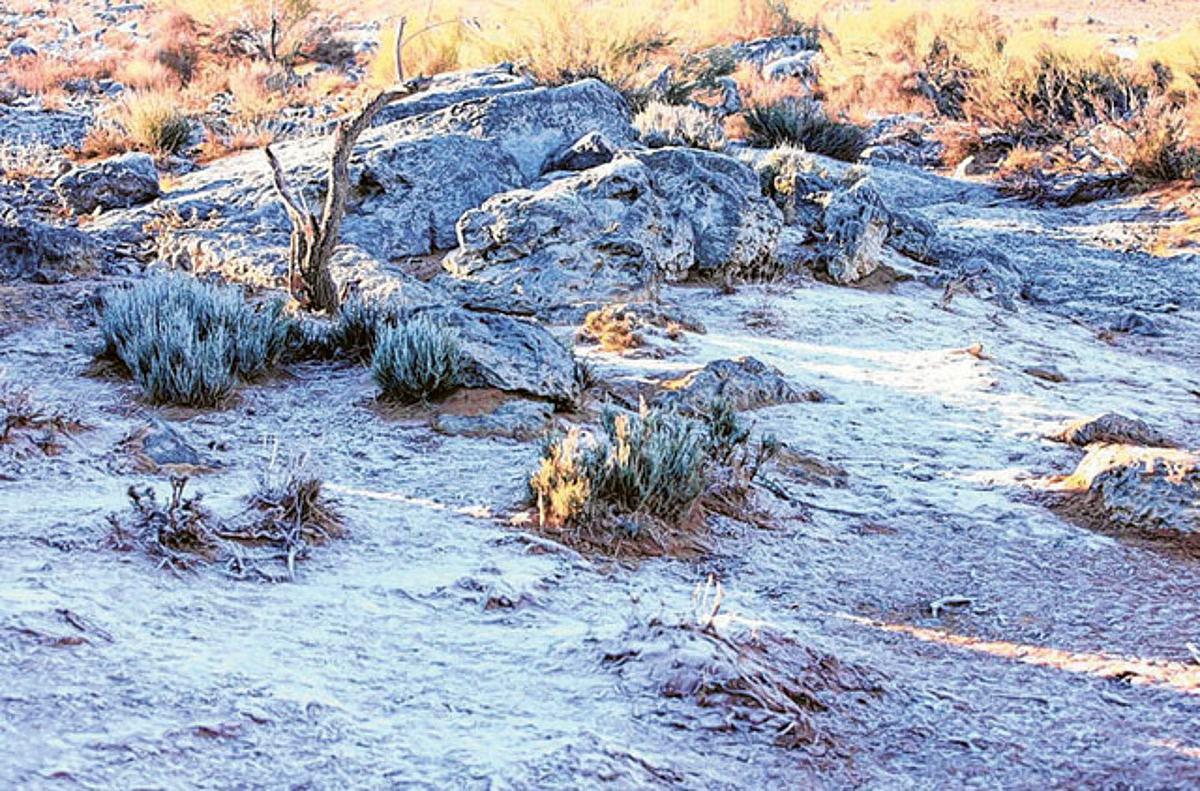
UAE Enters Al Shabt on Jan 15
The United Arab Emirates has officially entered a significant seasonal period. This period is known as Al Shabt. It began on January 15 and will continue through February 10. This marks twenty-six days of the year’s coldest weather. Residents across the Emirates must now prepare for winter’s peak chill. Al Shabt is a traditional division of the winter season in the region’s heritage calendar. It follows the milder days of the previous season. During Al Shabt, temperatures can drop significantly, especially at night and in the early morning. The clear desert skies often allow daytime warmth to escape rapidly after sunset. This creates a sharp and noticeable contrast between day and night, bringing the most intense winter conditions to the UAE.
What is the Seasonal Period of Al Shabt?
Al Shabt is a distinct phase in the traditional Arabic calendar. This calendar divides the year based on long-standing astronomical and environmental observations. Al Shabt represents the heart of the winter season in the Gulf region. It is renowned for its crisp, cold air and lower humidity. The name itself is deeply rooted in the region’s cultural understanding of weather patterns. It signals a time when the natural world responds to the sustained cold. Farmers and those living in desert areas have noted its effects for generations. In the modern UAE, it remains a reliable marker for the annual temperature low point, guiding preparations for both people and infrastructure.
Why Are Al Shabt Days the Coldest of the Year?
Several natural factors combine to make Al Shabt the coldest period. The position of the sun is a primary reason. In mid-January, the Northern Hemisphere receives sunlight at a lower angle. This provides less direct heating during the day. The nights are also at their longest, giving more time for the land to cool. Additionally, the UAE’s typically clear, cloudless skies play a major role. Clouds act like a blanket, trapping heat near the ground. Without this blanket at night, the heat absorbed during the day radiates quickly back into space. This process leads to sharp overnight and early morning temperature drops, sometimes reaching single digits Celsius in inland and desert areas.
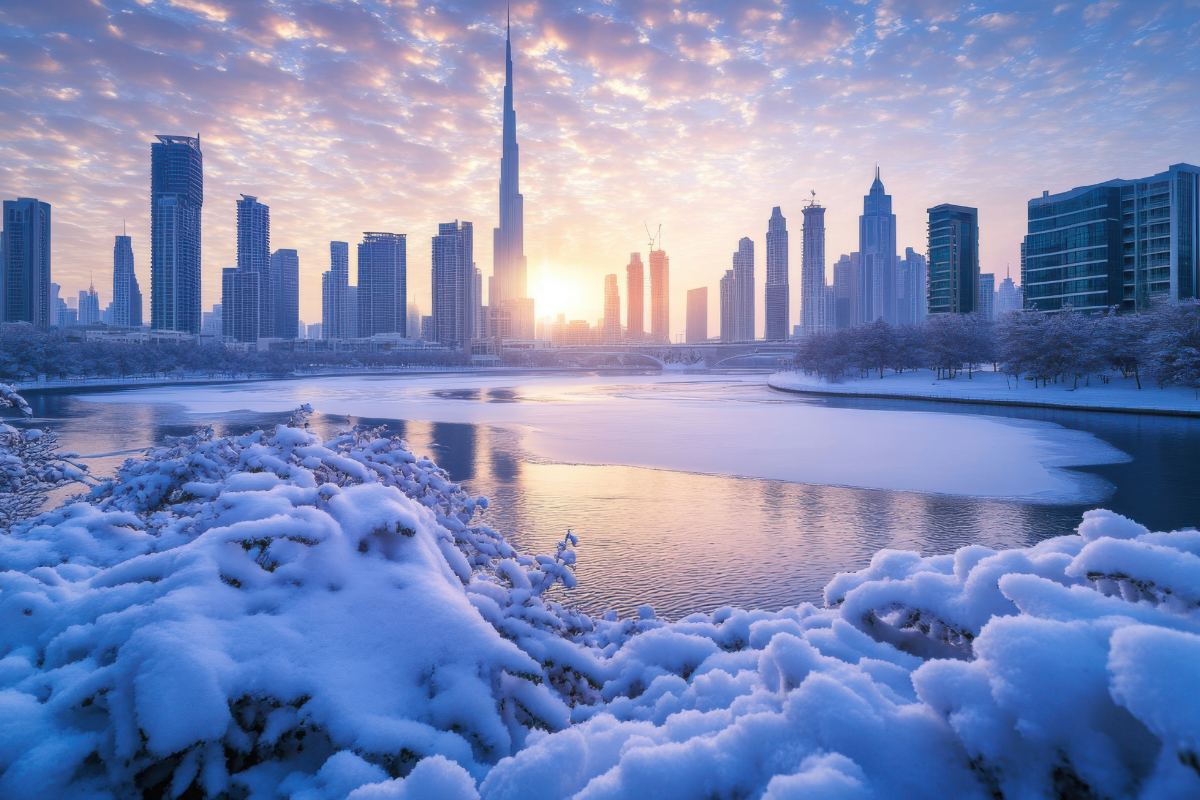 How to Prepare for Al Shabt’s Chilly Weather
Residents should take practical steps to stay comfortable and safe. Update your wardrobe by ensuring you have warm layers, especially for the evenings and early mornings. A light jacket or sweater is essential. Check your home heating systems if available. Ensure your water heaters are functioning efficiently for the colder showers. Be mindful of health, as the dry, cold air can aggravate respiratory conditions. Stay hydrated even though you may not feel as thirsty as in summer. Drivers should be cautious in the early morning. Dense fog can form due to the cold ground meeting slightly warmer, moist air, reducing visibility on roads. Simple preparations make the season enjoyable.
Enjoying Outdoor Activities During the Cold Snap
Al Shabt offers the most pleasant weather for outdoor pursuits in the entire year. It is the perfect time for camping in the desert. The days are pleasantly cool, and the nights are beautifully crisp under starry skies. Hiking in the Hajar Mountains becomes a refreshing activity. Parks and beaches are ideal for picnics and long walks without the intense summer heat. Many communities host outdoor markets, festivals, and sporting events to take advantage of this golden weather window. Embracing the outdoors during Al Shabt is a cherished part of life in the UAE, allowing people to connect with nature and community in a comfortable climate.
The Cultural and Agricultural Significance of Al Shabt
Al Shabt holds importance beyond just temperature. Traditionally, it guided planting and harvesting schedules. Certain crops were sown to take advantage of the cool, moist soil. The behavior of animals and plants was observed as a natural weather guide. In Emirati culture, this knowledge was passed down through generations, reflecting a deep connection with the environment. Today, it remains a point of cultural reference. It connects modern urban life with the natural rhythms of the Arabian Peninsula. Acknowledging Al Shabt is a way of honoring the traditional wisdom that helped people thrive in the desert climate long before modern forecasts.
Embracing the Peak of UAE Winter
The entry into Al Shabt is a welcome seasonal shift for the UAE. It provides a definitive break from the heat and a chance to experience a different side of the desert climate. These twenty-six days are a time to enjoy cozy gatherings, vibrant outdoor life, and the unique beauty of a crisp winter landscape. By understanding and preparing for Al Shabt, residents can fully appreciate this special period. It is a reminder of the diverse and distinct seasons that characterize life in the Emirates. So, brace for the chill, layer up, and step outside to enjoy winter at its very best.