1. Severe Weather Hits UAE Travel Hard
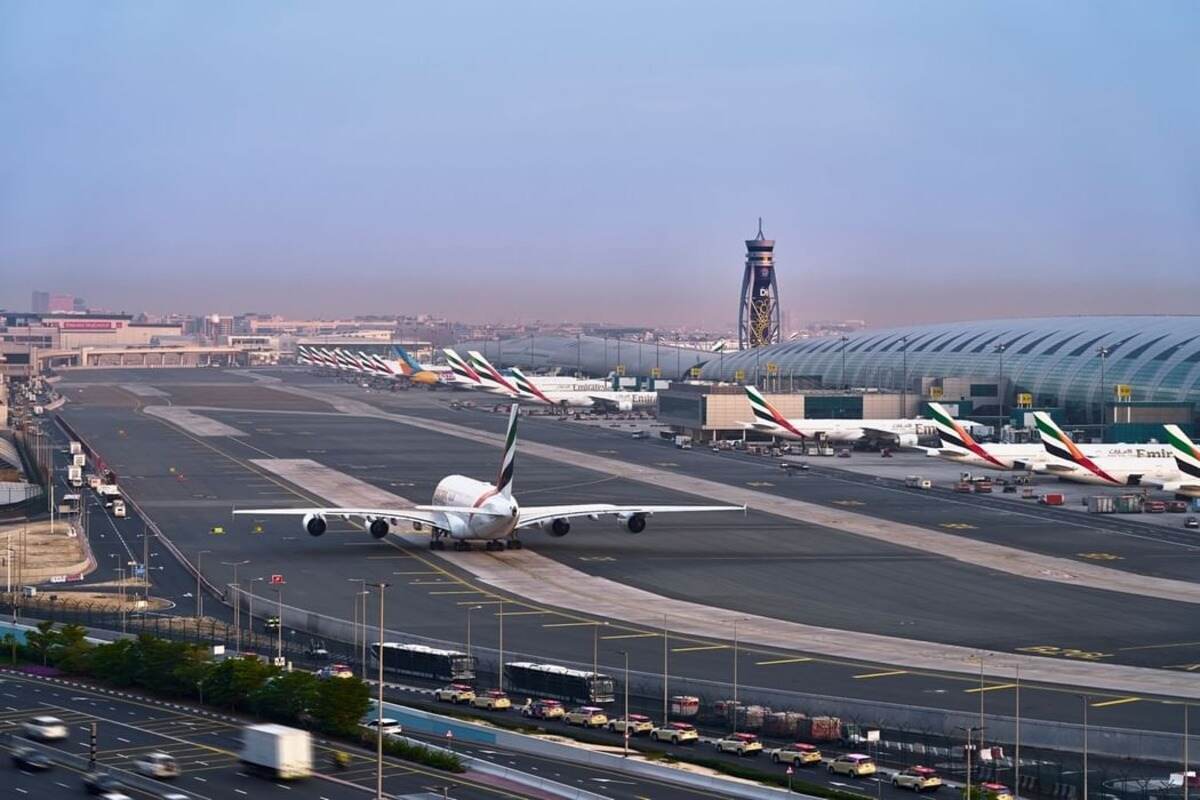
Heavy rain, strong winds, and thunderstorms have hit the UAE . There are severely disrupted flight operations at Dubai International Airport (DXB). Unstable weather systems have brought rain and poor visibility, forcing airlines to cancel and delay numerous flights. Passengers are facing travel chaos at one of the world’s busiest air hubs as conditions persist into Friday morning. Forecasts predict that thunderstorms and scattered rain could continue throughout the day, urging travellers to stay alert and plan for possible changes in their itineraries.Gulf News
2. DXB Reports Multiple Cancellations
Dubai International Airport recorded several flight cancellations due to the severe conditions. Carriers including Emirates, flydubai, Turkish Airlines, Saudia, Kuwait Airways, and Qatar Airways have all reported disruptions. Some flights were rescheduled with new departure times, but many were outright cancelled, leaving passengers stranded or forced to adjust their travel plans. Airlines stress safety as the top priority in deciding operational changes amid the weather.Gulf News
3. Emirates Issues Major Weather-Related Cancellations
Emirates, the UAE’s flagship airline, announced multiple cancelled services as rain and thunderstorms swept Dubai and the region. Routes covering destinations such as Tehran, Muscat, Bahrain, Malé, Colombo, and Frankfurt were among those affected. The airline urged passengers to check live flight status updates through official channels before heading to the airport. Emirates emphasised that these decisions aim to protect passengers and crew amid dangerously wet conditions.Gulf News
4. Delays Affect Wide Range of Carriers
Aside from cancellations, many flights suffered long delays or rescheduling. Flights from carriers like flydubai and IndiGo also reported delays because of the adverse weather. Airlines issued travel advisories urging passengers to arrive early and to frequently check their flight status online or via airline apps. These updates help travellers prepare for extended waiting times at the airport and possible changes in departure times.Gulf News
5. Passengers Stranded, Connections Missed
The weather-related disruptions have already resulted in missed connections and crowded terminals at DXB. Many passengers are experiencing long waits at check-in desks or customer service zones as airlines seek to rebook cancelled flights. Some flyers have voiced frustration online about the uncertainty and delays, while others appreciate airlines’ efforts to provide timely updates to reduce confusion.Gulf News
 6. Travel Advisories from Airports and Airlines
Airport authorities and airlines are sending out advisories to travellers amid the turbulent weather. The Dubai Airports operator has encouraged passengers to allow extra travel time, use public transport where possible, and verify flight details before leaving for the airport. Such advisories aim to reduce road travel stress and ensure efficient airport access during peak disruption periods.Gulf Business
7. Impact on Regional Routes
Not only have local flights been affected, but regional routes have also felt the impact. Airlines connecting Dubai with Gulf Cooperation Council (GCC) cities and neighbouring countries reported changes to schedules. Weather across the Gulf region remains unstable, and these changes reflect broader aviation safety protocols aimed at coping with heavy rain and thunderstorm threats.Gulf Business
8. Weather Forecasts and Passenger Alerts
Meteorologists say rain and thunderstorms are likely to continue throughout the weekend, which could extend travel disruptions beyond Friday. The National Centre of Meteorology has issued weather alerts, warning residents and travellers about the possibility of further rain, hail, and strong winds. Passengers are urged to follow official weather and airport updates to stay informed and safe.Gulf News
9. Airport Operations Respond to Conditions
Airports in the UAE are working to mitigate the impact of weather-related disruption. Ground staff and air traffic control coordinate with airlines to manage flight schedules, reroute aircraft if needed, and update passengers. While some operations continue as normal, others have been delayed or rescheduled until conditions improve. These efforts aim to reduce inconvenience while maintaining safety oversight.Gulf News
10. Tips for Travellers During Bad Weather
Travel experts advise passengers to stay flexible and check flight status frequently before departure. Booking early check-in, downloading airline apps, and allowing additional travel time to the airport are key to coping with delays. Travellers should also prepare for unexpected changes and contact airline support early to secure alternate flights if cancellations occur. Preparing ahead can make travel during unstable weather more manageable and less stressful.