UAE President visit
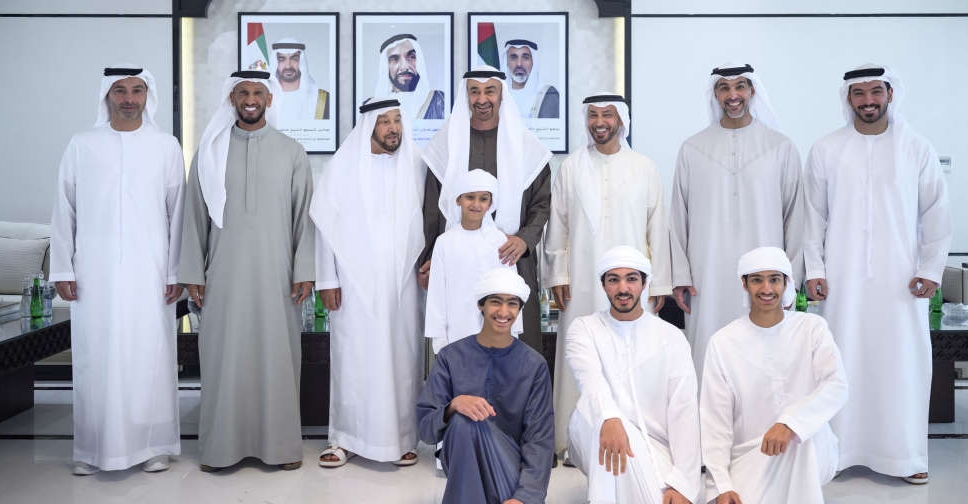
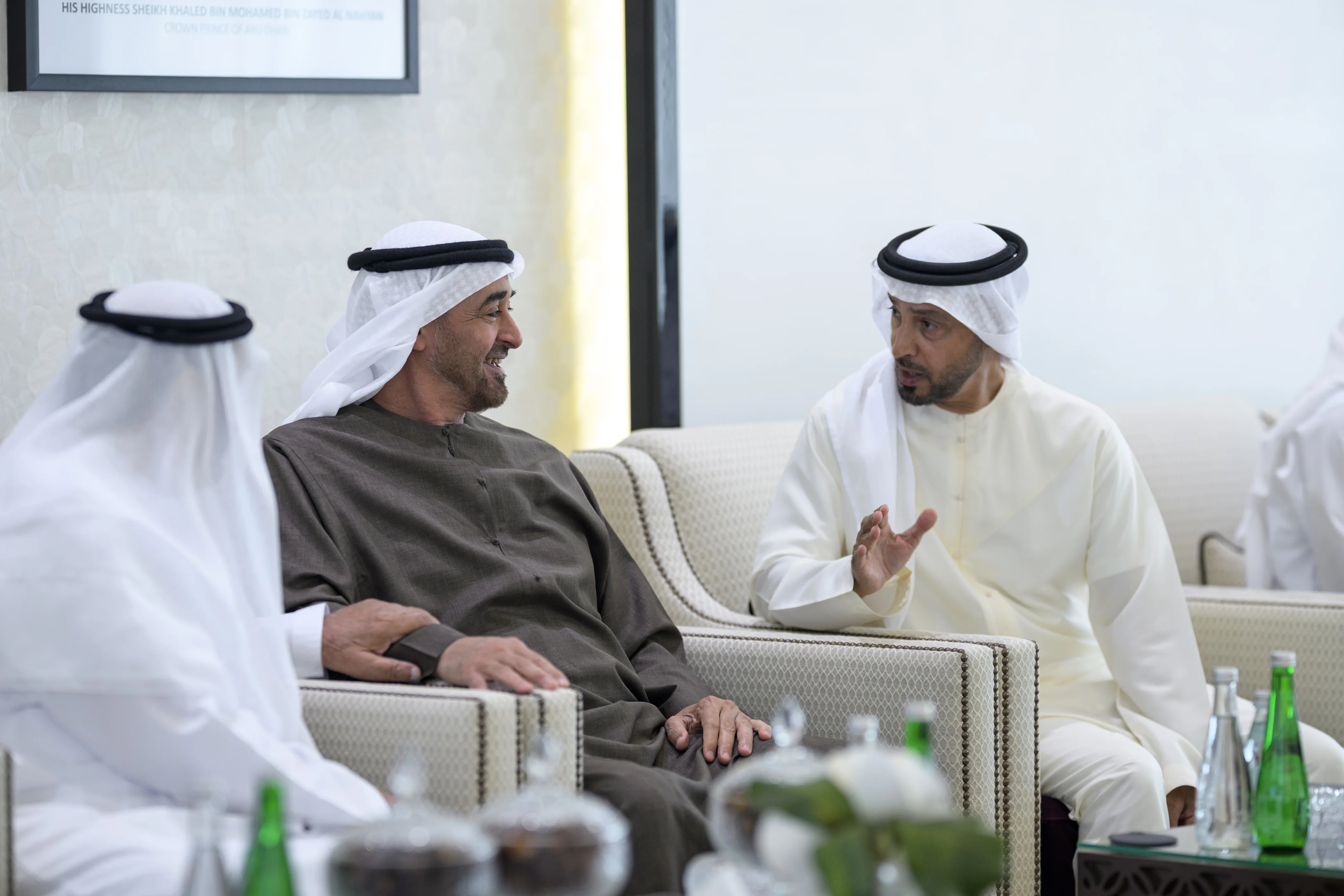
His Highness Sheikh Mohamed bin Zayed Al Nahyan, President of the United Arab Emirates, made a significant personal visit. He visited the residence of Sheikh Mohammed bin Butti Al Hamed. Sheikh Mohammed bin Butti is a respected elder and a key figure from the UAE’s founding generation. The meeting was warm and reflective. The two leaders engaged in a profound conversation about the nation’s journey. They specifically discussed the pivotal role played by the founding fathers and the pioneering generation in shaping the modern UAE. This visit underscores the deep respect the current leadership holds for the nation’s history and the enduring values established by its founders, reinforcing a powerful continuity between past and present.
A Meeting Bridging Generations of Leadership
The visit by President Sheikh Mohamed bin Zayed to Sheikh Mohammed bin Butti represents a powerful bridge between eras. Sheikh Mohammed bin Butti Al Hamed belongs to the generation that worked directly with the nation’s founding father, the late Sheikh Zayed bin Sultan Al Nahyan. President Sheikh Mohamed is the son of Sheikh Zayed and the current leader guiding the UAE’s future. Their conversation connected the wisdom of the past with the vision for the future. Such interactions are a cherished tradition in Emirati culture. They ensure that the original principles of unity, sacrifice, and foresight remain central to today’s governance and national planning.
Honouring the Founders’ Vision and Enduring Sacrifices
A central theme of the discussion was honouring the founding generation. President Sheikh Mohamed and Sheikh Mohammed bin Butti reflected on the immense challenges faced in the early days of federation. The founding leaders had limited resources but unlimited ambition for their people. They made great personal and collective sacrifices to unite the seven emirates. They built the first schools, hospitals, and roads from scratch. Their vision was not for personal gain but for the prosperity and dignity of every citizen. Recognising this legacy reminds all Emiratis of the humble beginnings and the extraordinary effort that built the modern, thriving nation they enjoy today.
The Foundational Principles That Continue to Guide the UAE
The leaders discussed how the core principles established by the founders remain the country’s compass. These principles include unwavering faith, strong social cohesion, tolerance, and a commitment to progress through education and innovation. Sheikh Zayed’s famous saying, “The real asset of any advanced nation is its people,” was certainly a point of reflection. The current leadership continues to invest heavily in its citizens, mirroring that foundational belief. The discussion affirmed that while skyscrapers and technology define the modern skyline, the nation’s soul is still shaped by the timeless values of its Bedouin and maritime heritage, passed down by the elders.
 Preserving Heritage and National Identity for Future Generations
An important part of the conversation focused on preservation. As the UAE accelerates into the future, there is a conscious effort to protect its unique heritage. This includes tangible elements like historical forts and traditional crafts. It also includes intangible elements like the Arabic language, poetry, and the spirit of majlis (community council) dialogue. Visits like this one demonstrate leadership by example. They show the younger generation the importance of respecting elders and learning from their stories. This ensures that national identity remains strong and rooted, even as the country becomes increasingly global and diverse.
The Role of Elders as Living Libraries of Wisdom and Experience
Sheikh Mohammed bin Butti Al Hamed and his peers serve as living libraries. They hold firsthand accounts of the negotiations, decisions, and personal moments that led to the UAE’s formation on December 2, 1971. Sitting with them is like opening a history book written from personal experience. President Sheikh Mohamed’s visit is an act of seeking that wisdom. It acknowledges that true leadership understands where it came from to decide where it is going. This deep respect for elders and their knowledge is a cornerstone of Emirati society, fostering social stability and intergenerational respect.
A Unified Vision for Continued Progress and Global Stature
The meeting was not only about the past; it was also aligned on the future. Both leaders share a unified vision for the UAE’s continued progress on the world stage. They discussed how the founders’ ambition has been realized and how it must now be extended. The UAE today is a model of stability, innovation, and humanitarian aid—values embedded in its founding. The conversation likely covered current national strategies in sustainability, space, and economic diversification. It connected these modern goals to the founding spirit of resilience and optimism, proving that the old and new visions are perfectly aligned.
Strengthening the Social Fabric Through Personal Engagement
Ultimately, this visit strengthens the very fabric of UAE society. It was not a formal state function but a personal, social visit—a majlis. This style of open, accessible leadership is deeply valued. It shows the President as a man of the people who values connection and tradition. It reassures citizens that their leadership is grounded and humble. By publicly honouring a founding generation figure, President Sheikh Mohamed sends a message to all Emiratis: cherish your history, honour your elders, and carry their legacy forward with pride as you build the next chapter of the nation’s great story, ensuring the chain of wisdom remains unbroken.