UAE Residents Smoke Less
The United Arab Emirates is witnessing a positive and significant shift in the health habits of its population. The Ministry of Health and Prevention (MoHAP) has released the key findings from its latest comprehensive National Health Survey. The data reveals two major encouraging trends: a measurable decline in smoking rates among residents and a marked increase in the adoption of physically active lifestyles. The survey reached an impressive 20,000 households across the nation, ensuring a robust and representative sample. The participant pool comprised 40% UAE citizens and 60% expatriate residents, providing a clear snapshot of the entire community’s health behaviors. These results reflect the success of ongoing public health campaigns and a growing cultural prioritization of wellness, marking progress toward national health objectives.
A Notable Decline in Smoking Rates Across the Population
The survey data confirms a downward trend in tobacco use. The percentage of residents who reported being current smokers has decreased compared to previous surveys. This decline is seen across various age groups and nationalities. It signals the effectiveness of the UAE’s multi-faceted anti-smoking strategy. This strategy includes high public awareness campaigns about the dangers of smoking, the introduction of plain packaging for cigarettes, significant taxation on tobacco products, and the creation of extensive smoke-free zones in public areas. The reduction in smoking is a critical public health victory, as it directly lowers the risk for numerous cancers, heart disease, and respiratory illnesses across the population, improving long-term community health outcomes.
More Residents Are Choosing Regular Physical Activity
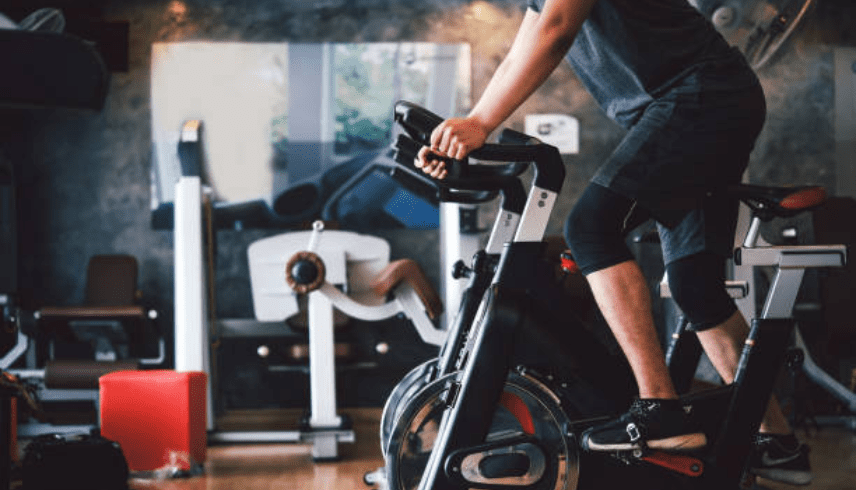
In parallel with reduced smoking, the survey highlights a rise in physical activity. More residents now report engaging in regular exercise, such as walking, jogging, gym workouts, or sports. This shift is attributed to several factors. The government has invested heavily in creating accessible public infrastructure, including hundreds of kilometers of dedicated walking and cycling tracks, public parks, and community sports facilities. There is also a strong social media influence promoting fitness and a wider variety of affordable gym and sporting club memberships available. An active lifestyle is becoming a more integrated and valued part of daily life for families and individuals, moving beyond a niche interest to a mainstream habit.
The Comprehensive Survey: Reaching 20,000 Diverse Households
The credibility of these findings stems from the survey’s rigorous methodology. MoHAP designed the study to capture an accurate picture of the nation. Interviewers reached 20,000 households in all seven emirates, from urban centers to rural communities. The deliberate composition of 40% UAE nationals and 60% residents ensures the data reflects the unique demographic makeup of the country. This large, representative sample allows policymakers to make confident, evidence-based decisions. It shows that positive health trends are occurring broadly across society, not just within specific groups, validating the nationwide reach of public health initiatives.
Government Initiatives Driving the Positive Change
The observed trends are not accidental. They are the result of sustained and strategic government action. MoHAP, in collaboration with other entities like the Dubai Health Authority (DHA) and Abu Dhabi Public Health Centre, has rolled out numerous programs. These include the “National Tobacco Control Program,” school-based health education, and nationwide campaigns like “UAE Fitness Challenge.” The government has also implemented policies that make healthy choices easier, such as nutritional labeling reforms and subsidies for sports activities. This top-down commitment creates an environment that supports and encourages residents to make healthier decisions in their daily lives, proving that policy can effectively shape public behavior.
The Impact on Public Health and National Well-being
These behavioral shifts have profound implications for the nation’s future. Lower smoking rates will reduce the burden of non-communicable diseases (NCDs) on the healthcare system. More active populations experience lower rates of obesity, diabetes, hypertension, and depression. Collectively, this leads to a healthier, more productive workforce, lower long-term healthcare costs, and an enhanced overall quality of life. The survey results indicate that the UAE is making tangible progress toward its health-related goals in “Vision 2031” and other national agendas, building a healthier foundation for sustainable societal development and happiness.
Challenges and Opportunities for Continued Improvement
While the trends are positive, the survey also identifies areas for continued focus. Challenges remain in further reducing smoking rates among specific demographics and increasing the intensity and consistency of physical activity for all age groups. There is an opportunity to enhance nutritional education and improve diets alongside exercise. Future initiatives may target sedentary work environments, promote active commuting, and expand community sports programs for youth and seniors. The data provides a clear roadmap for where to channel resources and efforts next, ensuring the momentum for a healthier UAE continues to build.
A Health-Conscious Nation Building a Brighter Future
The MoHAP National Health Survey delivers an encouraging report card for the UAE. It paints a picture of a population that is increasingly making conscious, positive choices for its health. The combination of fewer smokers and more active individuals represents a powerful dual advance in public health. This progress is a shared achievement between a proactive government creating supportive policies and a receptive public embracing a culture of wellness. As these healthy habits become further embedded, the UAE moves closer to its ambition of being among the world’s healthiest nations, ensuring a vibrant, active, and thriving society for generations to come.