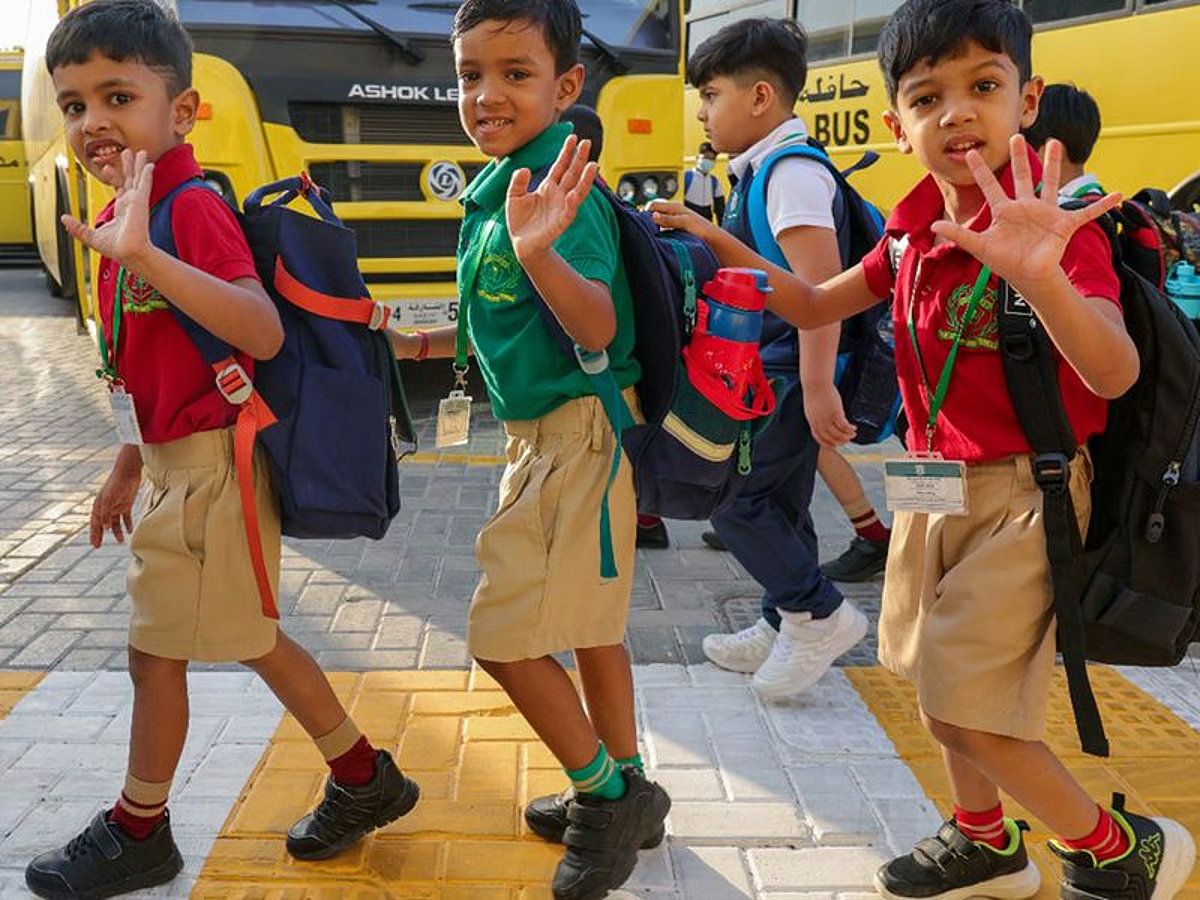
Students across the United Arab Emirates are returning to their classrooms after the annual winter holiday break. This return marks the start of the second half of the 2025-2026 academic year. The UAE operates on a nationally unified school calendar for all public schools and most private schools. This calendar provides a clear and predictable schedule for millions of students, parents, and teachers. It carefully balances instructional days with essential breaks throughout the year. Understanding this calendar is crucial for planning family vacations, extracurricular activities, and ensuring students are prepared for all important academic milestones, including final examinations and the long summer holiday.
The Structure of the UAE’s Unified Academic Year
The UAE school year is divided into three main terms. The first term typically begins in late August or early September for most students. It runs until a winter break in December. The second term starts in early January, right after the winter holiday. It continues until a spring break in late March or early April. The third and final term begins after the spring break. It concludes with the end of the academic year and the start of the long summer vacation in late June or early July. This three-term structure provides regular intervals for rest and helps manage student and teacher workload effectively throughout the year.
Key Dates and Breaks for the 2025-2026 School Year
For the current 2025-2026 cycle, several key dates guide the year. The winter break for most students concluded in early January 2026, with students returning the week of January 5th. The next major break is the spring break, which is expected to be in late March 2026, lasting for about two weeks. Following that, the final term leads up to the end of the academic year and the start of the summer vacation in late June 2026. Public holidays like Eid al-Fitr, Eid al-Adha, and UAE National Day are also integrated as breaks within these terms, adding cultural and national observance to the schedule.
Differences Between Public and Private School Schedules
While a unified framework exists, some variations occur. All public schools follow the Ministry of Education’s calendar exactly. They have uniform start dates, end dates, and holiday periods. Many private schools also adhere closely to this unified calendar, as it is mandated for schools following the Ministry’s curriculum. However, private schools offering international curricula (like British, American, or IB) may have slight variations. Their breaks might be a few days different, and their summer holiday could start or end a week earlier or later. Parents should always confirm the specific calendar with their child’s school administration for precise planning.

Planning Around the Calendar: Tips for Parents and Students
Smart planning using the official calendar reduces stress for everyone. Parents should book family travel during the designated holiday breaks to avoid disrupting their child’s education. Important appointments and non-urgent medical check-ups can also be scheduled for these times. For students, the calendar helps with long-term project planning. They can see when terms end and allocate their study time accordingly. Knowing the exam periods in advance allows for a structured revision schedule, preventing last-minute cramming and promoting better academic performance and well-being.
The Importance of the Unified Calendar for National Cohesion
The UAE’s move to a unified academic calendar serves important national goals. It ensures all students, regardless of their school, enjoy the same number of instructional days and holiday periods. This promotes fairness and equality in education access. It also simplifies life for families with children in different schools. Furthermore, it allows the government to plan national educational initiatives, training programs, and standardized exams efficiently. The calendar fosters a shared national rhythm for the entire education community, aligning millions of students on a common journey through the academic year.
Looking Ahead: Preparing for the Next Academic Year
As the current 2025-2026 year progresses, planning for the next cycle will soon begin. The Ministry of Education usually announces the official 2026-2027 school calendar in the second quarter of the year. Parents and schools use this announcement for advanced preparation. It helps schools set their fee schedules and teacher contracts. It allows parents to plan major commitments for the following summer and autumn. Staying informed about these announcements is a key part of successful family and school administration in the UAE, ensuring a smooth transition from one year to the next.
A Framework for Success and Balance
The UAE’s unified school calendar is more than just a list of dates. It is a carefully designed framework that supports student learning, teacher effectiveness, and family life. By providing clear structure and predictable breaks, it aims to create a balanced and productive educational environment. As students settle back into their routines after the winter break, they do so within a system designed to help them succeed academically while also enjoying a high quality of life, making the most of both their time in the classroom and their valuable time at home with family.