UAE traffic news
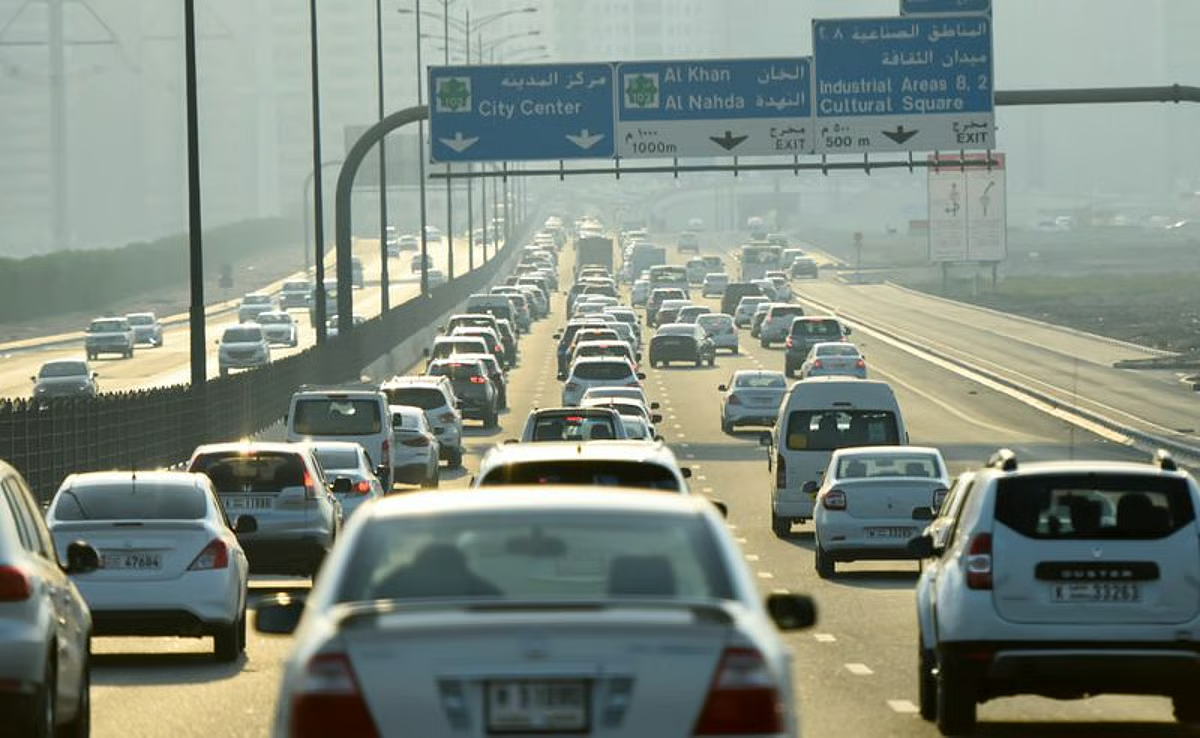
Commuters traveling between Dubai and Sharjah are facing significant delays. Major highways connecting the two emirates are experiencing heavy traffic congestion. This buildup is causing much longer travel times for thousands of drivers during peak hours. The situation is dynamic, with congestion levels changing quickly. Authorities are actively monitoring the roads and providing updates to help manage the flow. Such traffic events highlight the volume of daily inter-emirate travel and the impact that incidents, roadworks, or simply high volume can have on the region’s vital transportation corridors.
Key Commuter Routes See Major Slowdowns
The traffic buildup is concentrated on the primary roads that link Dubai and Sharjah. This includes important highways like Sheikh Mohammed Bin Zayed Road (E311) and Emirates Road (E611). These routes are essential arteries for daily commuters, delivery drivers, and commercial transport. Any disruption on these roads has a cascading effect, causing backups on alternative routes and feeder roads as drivers seek ways around the congestion, leading to widespread slowdowns across the network.
Dubai Police Advise Use of Real-Time Navigation Apps
In response to the congestion, Dubai Police have issued clear advice to all motorists. They are urging drivers to actively use real-time navigation applications on their smartphones. Apps like Google Maps, Waze, and Apple Maps provide live traffic data. They can suggest faster alternative routes around accidents or heavy congestion. Following this digital guidance helps distribute traffic more evenly across the road network. It can prevent drivers from accidentally entering gridlocked areas, saving them considerable time and reducing overall traffic stress.

Morning and Evening Peak Hours Are Most Affected
The heaviest traffic is occurring during the standard morning and evening rush periods. The morning commute from Sharjah into Dubai is particularly congested. The evening return journey from Dubai back to Sharjah is similarly affected. Drivers should anticipate that their regular travel time could double during these windows. Planning ahead is crucial; leaving earlier than usual or adjusting departure times slightly can make a significant difference in avoiding the worst of the delays and ensuring a more predictable journey.
Accidents and High Volume Contribute to Congestion
Traffic officials often cite a combination of factors for such major slowdowns. A single traffic accident can instantly reduce lane capacity on a busy highway. This creates a bottleneck that takes time to clear. Additionally, the sheer volume of vehicles using these routes during peak times naturally leads to slower speeds. Even without an accident, the high density of cars can cause stop-and-go traffic. Understanding these common causes can help drivers stay patient and focused on safe driving practices during frustrating delays.
Alternative Routes May Offer Some Relief
Drivers familiar with the network might consider alternative paths. Using older highways like Beirut Road (D94) or passing through residential areas can sometimes be faster. However, these routes also fill up quickly when main highways are jammed. This is why the advice to use a navigation app is so valuable. These apps calculate the objectively fastest route in real-time based on current data from thousands of other drivers. They can identify which alternative routes are still flowing better than the main highway at any given moment.
Stay Updated with Official Traffic Channels
For the most reliable information, motorists should follow official sources. The Dubai Police social media accounts on platforms like Twitter (X) often post timely traffic alerts. Their smart app also provides official updates and can report incidents. Tuning into local radio stations for traffic bulletins is another good practice. Relying on these official and crowd-sourced tools together gives drivers the best chance of navigating the congestion efficiently and safely, transforming a potentially stressful commute into a more manageable situation.
Exercise Patience and Safe Driving Habits
Above all, safety must remain the top priority for every driver. Heavy traffic and long delays can lead to frustration. It is important to stay calm, avoid aggressive lane changes, and maintain a safe following distance. Do not use your mobile phone while driving; set your navigation app before you start moving or use a hands-free mount. Remember that traffic officers are working to clear incidents and manage the flow. Patience and cautious driving protect you and everyone else on the road during these challenging conditions.