
UAE Weather Alert
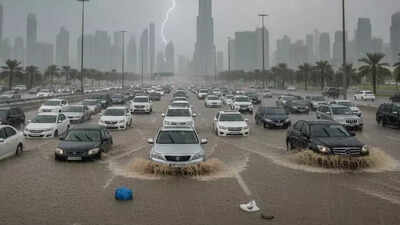
The UAE’s national weather bureau issued a significant weather alert today. The Dubai Roads and Transport Authority (RTA) followed with a direct caution to all drivers. The authority urges extreme caution on roads due to prevailing conditions. Rainfall and moderate to fresh winds are affecting several areas. Reports confirm hail in parts of the northern and eastern Emirates. A surface low-pressure system is the cause of this unstable weather. This system is pulling in cooler, unstable air across the region. Residents should prepare for a noticeable change in conditions. The situation requires heightened awareness from everyone, especially motorists. Reducing speed and increasing following distance is essential for safety.
Major Low-Pressure System Drives Unstable Conditions
The current weather event stems from a broad surface low-pressure system. This meteorological feature is influencing the region’s atmosphere. It is drawing in clouds and unstable air from surrounding areas. This leads to the formation of convective clouds, which produce rain. The system also creates a significant temperature difference. This difference contributes to the development of stronger winds. The conditions are perfect for sudden weather changes in local areas. Some places may experience intense rainfall for short periods. Other nearby areas might see only light drizzle or strong winds. The unpredictable nature of this system is the main concern for authorities.
Rain and Hail Impact Northern and Eastern Emirates
Initial reports confirm rainfall across multiple emirates. The northern and eastern regions are experiencing the most activity. Areas like Ras Al Khaimah, Fujairah, and parts of Sharjah have reported rain. Social media videos show hail falling in some mountainous and eastern areas. Hail poses a specific danger to vehicles and pedestrians. It can damage car exteriors and windshields very quickly. It also creates extremely slippery patches on road surfaces. The combination of water and ice significantly reduces tire traction. Drivers in these regions must be particularly vigilant. Sudden hail showers can drastically reduce visibility in seconds.
Dubai RTA’s Official Warning to All Motorists
The Dubai Roads and Transport Authority (RTA) released an official statement. They specifically addressed all drivers using Dubai’s roads. The core message is to exercise caution and prioritize safety. Motorists must adhere to changing speed limits displayed on electronic signs. The RTA emphasizes the importance of leaving a safe distance between cars. They warn against sudden braking, which can cause chain-reaction collisions. Using low-beam headlights in heavy rain is also strongly recommended. The authority advises drivers to check their vehicle’s condition before traveling. Ensuring that wiper blades and tires are in good condition is a simple but critical step.
Key Driving Tips for Safe Travel in Rain and Wind
Drivers should follow specific guidelines during this weather alert. First, reduce your speed significantly below the posted limit. Speed is a major factor in weather-related accidents. Second, increase your following distance to at least five or six seconds. This provides more time to react if the car ahead stops suddenly. Third, turn on your headlights to improve your visibility to others. Avoid using hazard lights while driving, as this confuses other drivers. Grip the steering wheel firmly when driving through crosswinds. Be extra careful when passing large trucks or buses. Stay in the middle lanes if possible, as water tends to pool in the outer lanes.
General Public Safety Advice During the Weather Event
Residents should take general precautions beyond driving. Secure any loose outdoor items like patio furniture or decorations. Strong winds can turn these objects into dangerous projectiles. Avoid walking or standing under large trees during periods of strong wind. Be cautious of potential water accumulation in low-lying areas. Some underpasses or streets may experience flash flooding. It is advisable to postpone non-essential travel until conditions improve. Monitor official weather sources for the latest updates and warnings. The National Center of Meteorology (NCM) provides real-time alerts on its website and app.
Weather Forecast and Lasting Impacts
The unstable weather pattern is expected to continue for the next 24 to 48 hours. The low-pressure system will gradually weaken as it moves away. However, chances of convective cloud formation will remain. This means further rain and possibly more hail is still a possibility. Temperatures will stay cooler than the seasonal average throughout this period. Winds may also cause blowing dust and sand in open areas. Drivers should remain cautious even after the rain stops. Roads will stay slippery due to residual oil and water mixing. Always follow the guidance of official authorities for the latest safety information. Staying informed is the best way to ensure personal safety during such weather events.