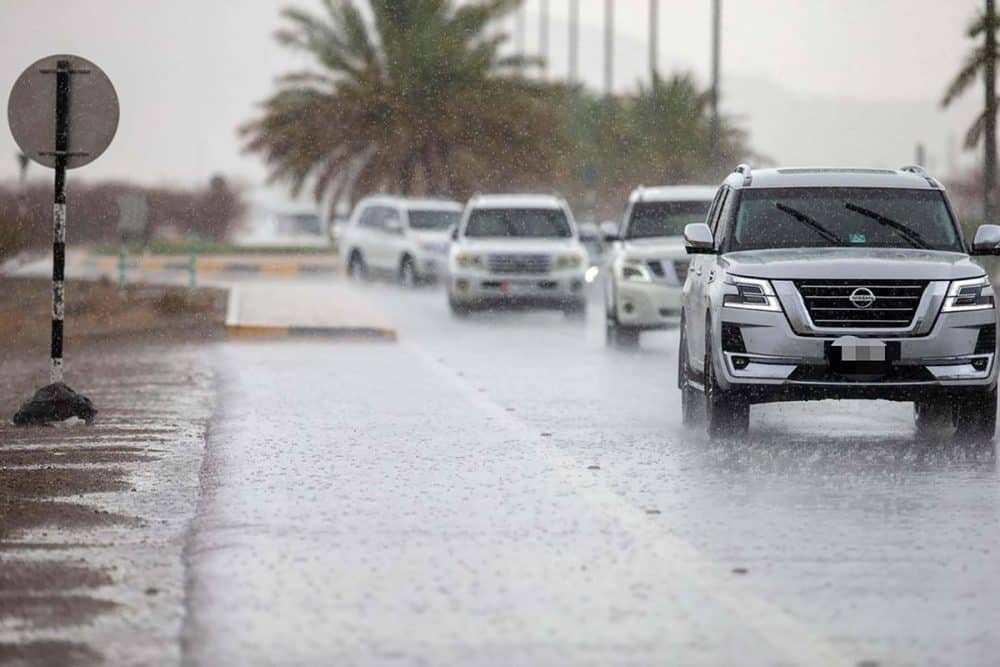
Dust, Fog, and Rain Forecast
Changeable and dynamic weather conditions are set to persist across the United Arab Emirates. The National Centre of Meteorology (NCM) forecasts that unsettled weather will continue until at least Thursday. This period will be characterized by a mix of several distinct elements. Residents should anticipate fresh to strong winds that will kick up dust and sand, especially in open areas. There is also a risk of fog and mist formation during the night and early morning hours, particularly over coastal and internal areas. Furthermore, some regions may experience convective cloud development, leading to a chance of scattered rainfall. This combination requires residents to stay informed and prepared for varying conditions throughout the day and week.
Fresh Winds to Stir Dust and Reduce Visibility
A key feature of the forecast is the presence of moderate to fresh winds. These winds will occasionally become strong, especially during the daytime. The wind direction will be northwesterly, commonly known as Shamal winds. These winds have the power to lift loose sand and dust from desert interiors. This will lead to blowing dust and sandstorms in exposed areas. Horizontal visibility may drop significantly at times. The dusty conditions will create a hazy atmosphere. They can also impact air quality, which is a concern for people with respiratory issues. Drivers must exercise extreme caution on highways when visibility drops suddenly.
Night and Morning Fog Risk for Coastal and Internal Areas
In a contrast to the daytime dust, the night and early morning hours bring a different hazard. The clear skies and light winds expected overnight allow the land and air to cool rapidly. When this cool air meets moisture, particularly along the coasts and over irrigated farms or water bodies, condensation occurs. This process leads to the formation of fog and mist. These conditions are most likely in the hours just before sunrise. Fog can reduce visibility to less than 100 meters very quickly. It poses a major risk for early morning commuters and airport operations. Motorists should use fog lights and reduce speed when driving in these conditions.
Chances of Rain Across Several Regions
The unstable atmospheric conditions also bring the potential for precipitation. The NCM indicates a chance of convective cloud development eastward and over some internal areas. These clouds, formed by rising warm air, can grow tall and produce rainfall. The rain is expected to be light to moderate and scattered in nature. It is not likely to be widespread or continuous. Some areas may receive a brief shower, while nearby areas remain dry. The eastern mountains and parts of Al Ain are often favored for such activity. Any rainfall is beneficial, helping to settle the dust and providing water for the natural environment.
Temperature Fluctuations and a Noticeable Nighttime Chill
The varied weather will influence temperatures as well. Daytime highs will be moderated by the cloud cover and dust in the air, likely staying in the pleasant mid-20s °C (mid-70s °F) in coastal cities. However, the real story is the nighttime lows. With clearer skies at night, the heat escapes easily into the atmosphere. This leads to a significant drop in temperature after sunset. Early morning temperatures, especially in inland and desert regions, could feel quite chilly, possibly dipping into the low teens °C (mid-50s °F). This daily swing means dressing in layers is essential for comfort.
How the Weather Impacts Daily Life and Activities
This mix of weather directly affects daily plans. Outdoor activities, especially in the desert, may be hampered by daytime winds and dust. Construction projects and maritime operations need to monitor wind speeds. Air travel can see delays due to morning fog at airports. For the general public, it means checking the forecast each day. Planning school runs or commutes requires accounting for possible morning fog and reduced visibility. Evening outdoor events should consider the potential for cooler temperatures. Staying adaptable is the key to navigating this unsettled period safely and comfortably.
Staying Safe and Informed Through Official Channels
The most important action is to rely on accurate information. Residents should monitor updates directly from the National Centre of Meteorology (NCM). Their official website, smartphone app, and social media channels provide the latest forecasts and any color-coded weather alerts (yellow, orange, red). For drivers, reducing speed in dusty or foggy conditions is non-negotiable. Using headlights and increasing following distance saves lives. People with health conditions should limit outdoor exposure during dusty periods. Simple steps like these, guided by official alerts, ensure everyone can manage this spell of active weather without incident.
Conditions Expected to Stabilize by the End of the Week
The good news is that this pattern is not permanent. The NCM forecasts an improvement in conditions starting from Thursday. The influence of the northwesterly winds is expected to gradually decrease. This will lead to a reduction in dust in the atmosphere. Wind speeds will become lighter. The likelihood of fog and rain will also diminish. By the weekend, the weather is predicted to return to more stable, calm, and clear conditions typical of the UAE winter. The unsettled spell serves as a reminder of the dynamic nature of the region’s climate, even during its most pleasant season, before giving way to more predictable sunshine.