


1. Review of SBA 8(a) Program
The US Senate has started a formal review. The focus is on the SBA 8(a) program. Lawmakers want clear answers. They want data and transparency. The review looks at participation trends. The review checks who benefits most. The process follows growing political interest. Senators aim to ensure fairness. They stress accountability. The hearing signals deeper scrutiny. Federal programs face rising oversight.
2. Indian American-Owned Businesses
The Senate discussion highlights Indian American firms. Lawmakers cite participation figures. They note strong representation in the program. Officials question balance. They ask if goals remain intact. The program targets disadvantaged groups. Senators want equal access. They seek clarity on eligibility rules. The debate stays intense. Public attention grows fast.
3. SBA 8(a) Program
The SBA 8(a) program supports small businesses. It helps disadvantaged entrepreneurs. It offers federal contract access. The program runs for nine years. It includes training and mentoring. It supports economic mobility. It aims to reduce inequality. Congress created it decades ago. Its mission remains critical. Oversight protects its purpose.
4. Senate Raises Concerns
Some senators raise concerns. They cite statistical patterns. They point to repeat contract wins. They question fairness. They demand deeper audits. They want program data released. The Senate stresses equal opportunity. Lawmakers avoid generalizations. They emphasize evidence-based review. The tone stays firm. Transparency remains the goal.
5. Indian American Business Leaders
Indian American business leaders respond quickly. They defend participation. They cite legal compliance. They stress merit and qualifications. They highlight immigrant entrepreneurship. They call for fair evaluation. They reject stereotypes. Many urge fact-based discussion. Industry groups seek dialogue. The response remains measured. Voices demand balance.
 6. Lawmakers’ Questions
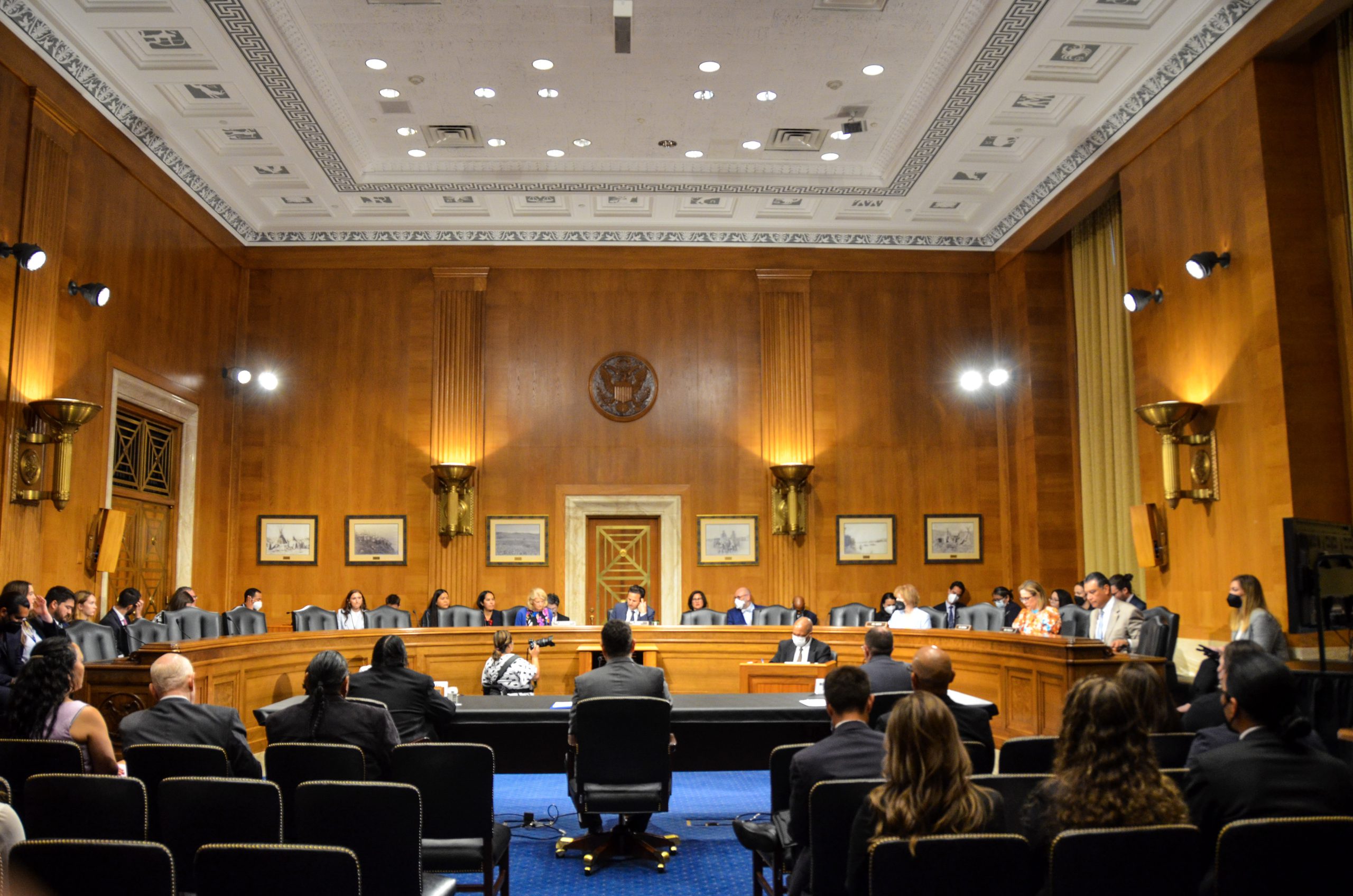
SBA officials testify before the Senate. They explain eligibility checks. They outline certification processes. They describe monitoring systems. They confirm periodic audits. Officials stress rule enforcement. They cite program safeguards. They promise cooperation. They offer updated reports. Lawmakers request more data. The exchange remains formal.
7. Implications Grow
The review carries political weight. Minority business programs face pressure. Public trust matters. Economic equity stays central. Federal spending draws scrutiny. Election-year dynamics matter. Policy reforms may follow. Business confidence reacts quickly. Markets watch closely. Outcomes could shape future access.
8. Broader Diversity Questions
The issue goes beyond one group. It raises diversity questions. It highlights program design limits. It exposes data gaps. It calls for modernization. Lawmakers discuss income thresholds. They examine net-worth rules. Equity metrics enter debate. Inclusion remains the core goal. Reform discussions gain pace.
9. SBA 8(a) Program
Changes may follow the review. Lawmakers may tighten rules. They may revise eligibility criteria. They may increase audits. They may cap repeat awards. Transparency tools may expand. Reporting standards may rise. Oversight could intensify. Any reform will face debate. Stakeholders await clarity.
10. What Comes Next After the Senate Review?
The Senate will issue findings. Committees may propose legislation. The SBA may adjust policies. Businesses will monitor outcomes. Advocacy groups will respond. Media coverage will grow. The review sets a precedent. Federal equity programs face new tests. The process will take time. The impact could be lasting.


