Woman Arrested After Kerala Man Dies
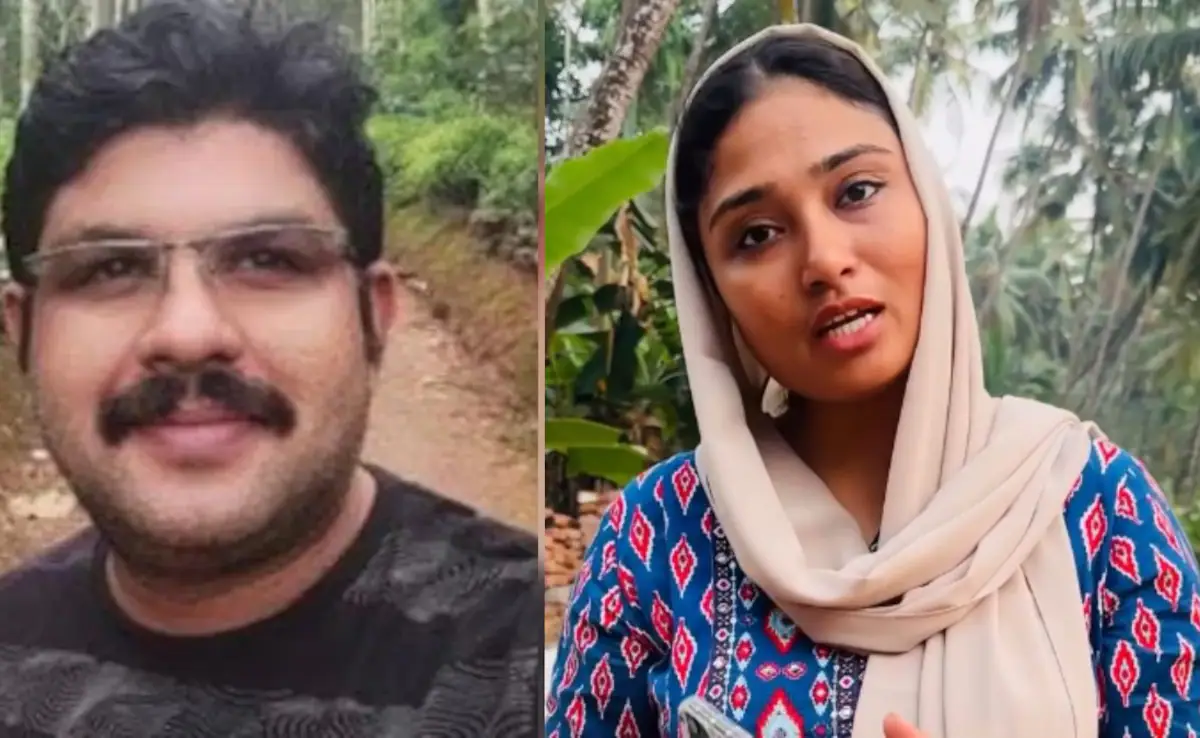
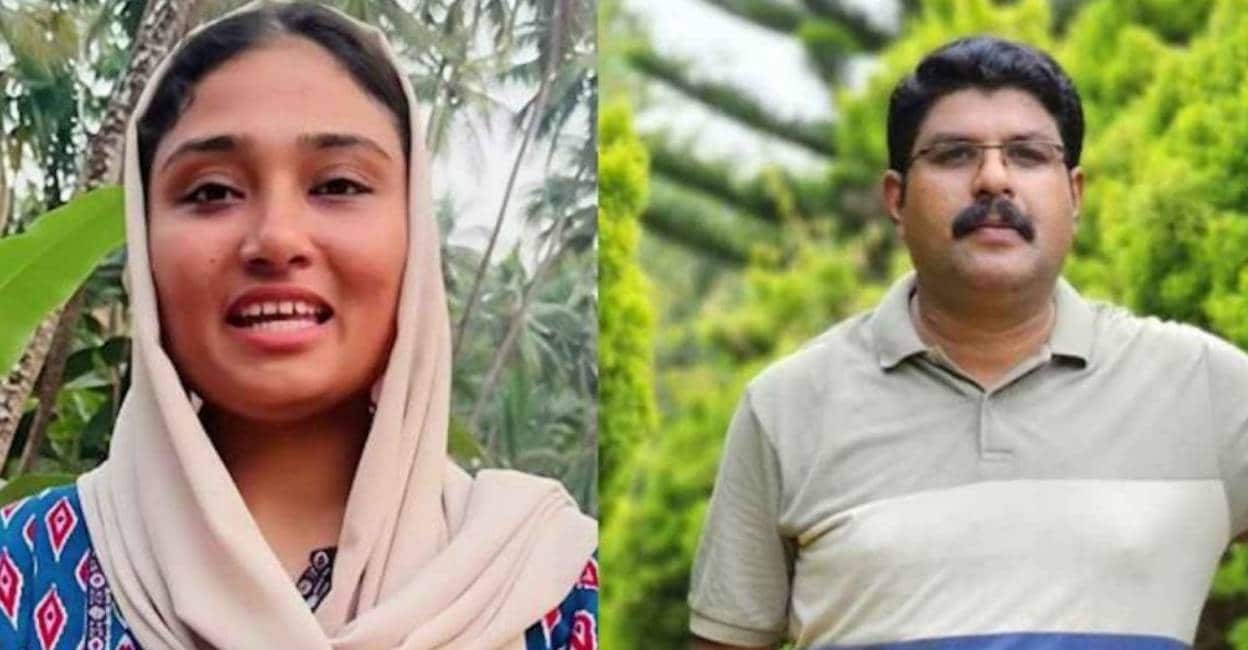
A woman is now under arrest in a tragic case from Kerala. Her arrest follows the death of a young man named Deepak. Deepak died by suicide after a video of him spread widely online. Friends and family state the video showed him being harassed. They say the viral clip left him mentally shattered. Police have taken the woman into custody for her alleged role. They are investigating the full circumstances of the harassment and the video’s circulation. This incident highlights the devastating real-world impact of online content and cyber harassment, raising urgent questions about accountability and mental health.
The Tragic Death of Deepak in Kerala
Deepak, a young man from Kerala, ended his life this week. His death has shocked his local community and sparked a police investigation. He was reportedly a private person who kept to himself. Those who knew him say he was deeply affected by an online video. The video showed him in a distressing situation where he was being harassed. Once the clip went viral on social media platforms, he could not cope with the exposure and humiliation. The intense public attention became unbearable for him, leading to the tragic outcome that has left his family in profound grief.
The Viral Video and Its Harassing Content
The specific content of the video is central to the case. Reports indicate it captured an incident of harassment. The woman now arrested appears in the video confronting Deepak. The nature of the confrontation was allegedly aggressive and demeaning. Someone recorded the incident and then uploaded it to social media. The video spread rapidly across WhatsApp, Facebook, and other platforms. Thousands of people viewed and shared the clip, often adding cruel comments. This turned a private moment of conflict into a public spectacle, amplifying Deepak’s trauma exponentially.
The Arrest and Police Investigation Details
Kerala police acted swiftly following Deepak’s death. They identified and located the woman seen in the viral video. She was arrested based on a complaint filed by Deepak’s family. Police are investigating several potential charges. These charges may include abetment to suicide, intentional insult, and cyber harassment. Authorities are also working to identify who originally filmed and shared the video online. The investigation aims to establish a clear chain of events and legal responsibility for the actions that contributed to this loss of life.
 Family and Friends Describe Deepak’s Mental State
Deepak’s loved ones provided critical context to the police. They described his rapid mental decline after the video went viral. He felt intense shame, anxiety, and hopelessness. He stopped communicating with friends and withdrew from daily activities. The constant fear of being recognized from the video tormented him. His family says he felt his reputation and dignity were destroyed overnight. Their statements paint a picture of a man crushed by the weight of online infamy and public judgment, with no visible escape from the digital storm.
The Broader Issue of Cyber Harassment and Mental Health
This tragedy underscores a severe modern problem. Cyber harassment and viral shaming have real and sometimes fatal consequences. Online content can reach millions in minutes, but its impact on an individual can be permanent. Victims often experience severe depression, anxiety, and trauma. This case shows that words and videos online are not harmless. They carry the power to deeply wound and destroy lives. It is a stark reminder for social media users to act with empathy and for platforms to enforce stricter policies against harassment and non-consensual content sharing.
Legal Framework and Accountability in India
Indian law provides tools to address such cases. Sections of the Indian Penal Code cover abetment to suicide and criminal intimidation. The Information Technology Act also contains sections against cyberbullying and publishing offensive material. However, enforcement is often complex. Prosecutors must prove a direct link between online actions and a person’s decision to end their life. This case will test how the justice system handles the intersection of digital harassment and its tragic offline results, potentially setting an important precedent for future incidents.
A Call for Compassion and Digital Responsibility
Deepak’s story is a heartbreaking call for change. It urges everyone to think before they share content online. It asks viewers to consider the human behind a viral clip. Communities must support individuals facing public humiliation. Social media companies need more robust systems to quickly take down harassing content. As a society, fostering digital kindness is no longer optional—it is a necessity to prevent further tragedies. This incident should lead to greater public awareness about the profound impact of our digital actions on the mental well-being of others.
The arrest is only the first step in a search for justice. A young man’s life has been lost, and a family is devastated. This case from Kerala should serve as a critical moment of reflection. We must all recognize the powerful connection between our online behavior and real-world harm. The goal is to create a digital environment where such harassment cannot thrive, and where individuals like Deepak can find support and protection instead of overwhelming shame and isolation. The path forward requires legal action, platform accountability, and a collective commitment to greater empathy in the digital age.